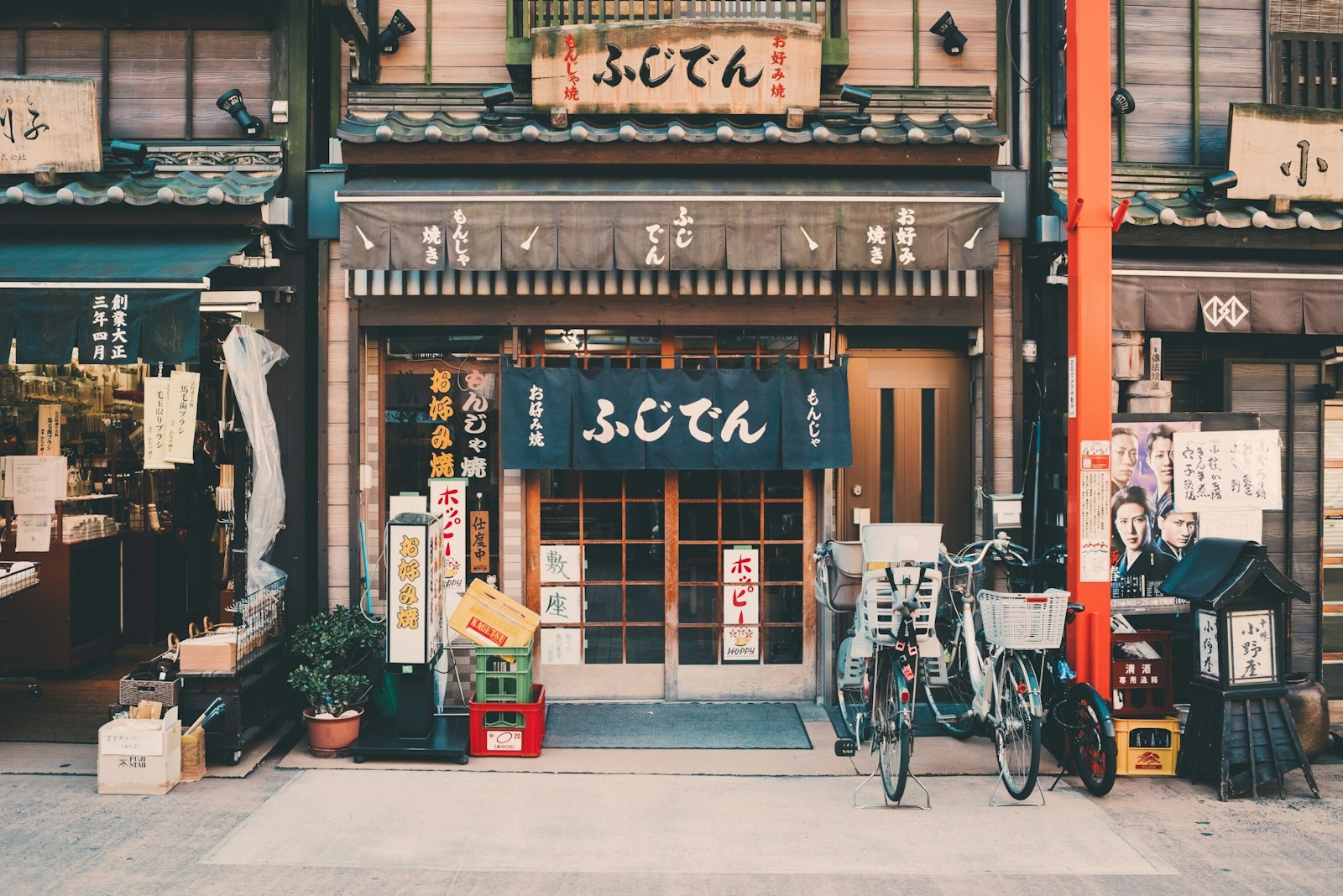
Asia Is Reinventing the Cruise Ship and the West Hasn't Noticed Yet
New ships, new itineraries, new passengers. The future of cruising is being built in Shanghai, Tokyo, and Singapore — and it looks nothing like the Caribbean.
Something remarkable is happening in cruising, and most Western travel media is completely ignoring it.
While the Caribbean and Mediterranean dominate English-language cruise coverage, Asia has quietly become the world's fastest-growing cruise market. New ships are being built specifically for Asian passengers. New itineraries are opening across Japan, Southeast Asia, and the Pacific. New cruise lines — not Western brands with translated menus, but genuinely Asian companies — are launching ships designed from the hull up for Asian travellers.
The future of cruising isn't being decided in Miami. It's being decided in Shanghai, Singapore, and Tokyo. And the innovations emerging from that market are going to change how everyone cruises.
Western cruise lines designed ships for Western passengers and then sent them to Asia. Asian cruise lines are doing something different: designing ships for Asian passengers from scratch. The dining, the entertainment, the cabin design, the social spaces — everything is rethought. And some of the ideas are genuinely brilliant.
The Numbers
The growth is staggering:
China went from around 660,000 cruise passengers in 2012 to over 2 million by 2019. Post-pandemic recovery has been rapid, with numbers approaching pre-pandemic levels.
Japan saw cruise port calls increase from around 1,000 in 2013 to nearly 2,700 by 2019. The Japanese government has actively invested in cruise infrastructure, upgrading terminals across the country.
Southeast Asia (Singapore, Vietnam, Thailand, Malaysia) has emerged as a year-round cruise destination with warm weather, affordable ports, and cultural depth.
South Korea has become a popular short-cruise destination, particularly for Chinese travellers doing 3–5 night sailings.
For context: the global cruise industry carried nearly 32 million passengers in 2023. Asia represented approximately 2.4 million — and growing faster than any other region.
What Asian Cruising Looks Like
It's Not the Caribbean With Chopsticks
The biggest mistake Western observers make is assuming Asian cruising is just Western cruising translated into Mandarin. It's not. The fundamental preferences are different.
Dining is king. Asian cruise passengers rank food quality as their top priority — above entertainment, above destinations, above cabin size. Ships designed for Asian markets feature more dining venues, more regional cuisine options (Cantonese, Sichuan, Japanese, Korean, Southeast Asian), and dining experiences built around hot pot, teppanyaki, dim sum, and noodle bars rather than steakhouses and Italian restaurants.
Shopping is a major activity. Onboard retail on Asia-focused ships is significantly more developed than on Western ships. Duty-free shopping, luxury brand boutiques, and retail events are primary entertainment, not afterthoughts.
Group travel dominates. Asian cruising skews heavily toward family groups and organised tour groups, rather than the couple-centric Western model. Ships are designed with larger group dining areas, multi-generational entertainment options, and cabin configurations that accommodate extended families.
Shorter itineraries. While Western cruises average 7–10 nights, Asian cruises frequently run 3–5 nights. Weekend cruises (Friday departure, Monday return) are popular among working professionals in China, Japan, and South Korea.
Mahjong and karaoke, not casinos and Broadway. The entertainment priorities are different. Mahjong rooms, karaoke suites (private KTV rooms), and cultural performances replace some of the casino and theater emphasis found on Western ships.
The Ships
Royal Caribbean's Spectrum of the Seas was the first major Western ship purpose-deployed to Asia. It features a North Star observation capsule, but also an expanded Asian dining program, a dedicated hot pot restaurant, and entertainment calibrated for the Chinese market.
MSC has deployed ships like MSC Bellissima to Asia, bringing European design sensibility to Asian waters.
Resorts World Cruises (Singapore-based) operates Genting Dream and Resorts World One — ships designed specifically for the Asian market with more dining options per passenger than typical Western ships, extensive retail areas, and entertainment mixing Western and Asian formats.
Dream Cruises (Hong Kong-based) launched the ambitious Global Dream class, though the parent company faced financial restructuring. The ambition — building mega-ships specifically for Asian tastes — signalled the market's maturity.
The Itineraries
Japan — The Crown Jewel
Japan is to Asian cruising what the Mediterranean is to European cruising: the prestige destination that anchors the entire region. Every major line wants a Japan itinerary, and for good reason — the ports are world-class, the infrastructure is immaculate, and the cultural depth is unmatched.
Key Japan itineraries:
- Tokyo (Yokohama) → Osaka (Kobe) → Nagasaki → Kagoshima → Okinawa
- Round-trip from Tokyo hitting multiple Japanese ports
- Korea and Japan combinations (Fukuoka, Busan, Jeju Island)
Southeast Asia — The Exotic Circuit
Southeast Asian itineraries combine culture, tropical scenery, and extraordinary value:
- Singapore → Vietnam (Hồ Chí Minh City, Đà Nẵng/Hội An) → Thailand (Koh Samui, Phuket)
- Singapore → Malaysia (Langkawi, Penang) → Thailand
- Hong Kong → Vietnam → Singapore
What makes it special: Port days in Southeast Asia deliver cultural experiences that rival the Mediterranean at a fraction of the cost. A day in Hội An — lantern-lit streets, tailored clothing, $1 bánh mì — is as memorable as a day in Dubrovnik, without the €40 lunch.
Short Cruises from Singapore and Hong Kong
Singapore and Hong Kong serve as Asia's major cruise hubs, offering short getaway cruises:
- Singapore → Penang → Langkawi → Singapore (3–4 nights)
- Hong Kong → Nha Trang → Hong Kong (4–5 nights)
- Shanghai → Jeju Island → Fukuoka → Shanghai (4–6 nights)
These short cruises are the entry point for millions of first-time Asian cruisers, and the format is spreading.
Expedition Asia
The expedition segment is growing too:
- Papua New Guinea — Remote tribal cultures, incredible diving, volcanic landscapes
- Indonesia beyond Bali — Komodo, Raja Ampat, the Spice Islands
- The Philippines — Emerging expedition destination with 7,000+ islands
- Japan's remote islands — Yakushima (ancient cedar forests), Ogasawara (Japan's Galápagos)
Why This Matters for Everyone
The innovations coming out of Asian cruising are going to influence the entire industry:
Dining diversification. As Asian passengers demand more dining variety, Western lines are expanding their Asian restaurant offerings globally. The days of "steakhouse or Italian" as your only specialty dining options are ending.
Shorter formats. The 3–5 night cruise format, proven in Asia, is expanding to Western markets. Weekend cruises from nearby ports are growing in Europe and the Americas.
Technology integration. Asian passengers expect mobile-first experiences — app-based ordering, keyless cabin entry, digital payments. These innovations, driven by Asian demand, are being adopted fleet-wide.
Multi-generational design. The Asian model of three-generation family travel is influencing ship design globally. More connecting cabins, more family-friendly suites, and more activities that span age groups.
New destinations. As Asian cruising grows, new ports invest in infrastructure, opening destinations that were previously inaccessible to cruise ships. This benefits everyone — Japanese ports that improved facilities for Asian cruisers now welcome Western itineraries too.
The cruise industry's gravitational center is shifting east. Not because Asia is copying the Western model, but because it's building something different — and some of those differences are improvements the rest of the world will eventually adopt. The best dining innovation in cruising right now isn't happening in the Caribbean. It's happening in ships sailing from Shanghai.
The Bottom Line
If you've only cruised the Caribbean and Mediterranean, you're seeing a fraction of the cruise world. Asia offers destinations, cuisines, cultures, and experiences that don't exist anywhere else — and a cruise industry that's growing faster, innovating harder, and serving passengers in ways that Western lines are starting to learn from.
The future sailed east. Follow it.
ابحث عن فنادق لرحلتك البحرية
احجز فندقاً بالقرب من ميناء مغادرتك على Booking.com
أدلة ذات صلة

الدليل الشامل لتأمين السفر البحري (ولماذا معظم الوثائق لن تنقذك)
دليل صريح عن تأمين السفر البحري — ما الذي يغطيه فعلاً، وما الذي لا يغطيه، ولماذا التفاصيل الدقيقة أصبحت أهم من أي وقت مضى في 2026.
كيف يُعيد النزاع الإيراني رسم خريطة الرحلات البحرية في 2026
أزمة مضيق هرمز حاصرت السفن، وألغت مواسم كاملة، وأعادت رسم خريطة الرحلات البحرية. إليك ما حدث، وما يعنيه ذلك لحجزك، وإلى أين تتجه الصناعة من هنا.

صعود الرحلات البحرية ذات الطابع الخاص والمهرجانات: الموسيقى والطعام والعافية وما بعدها
من المهرجانات الموسيقية العائمة إلى معتكفات العافية في البحر، الرحلات البحرية ذات الطابع الخاص تعيد كتابة القواعد. إليك ما يستحق الحجز وما هو مجرد ضجيج تسويقي.