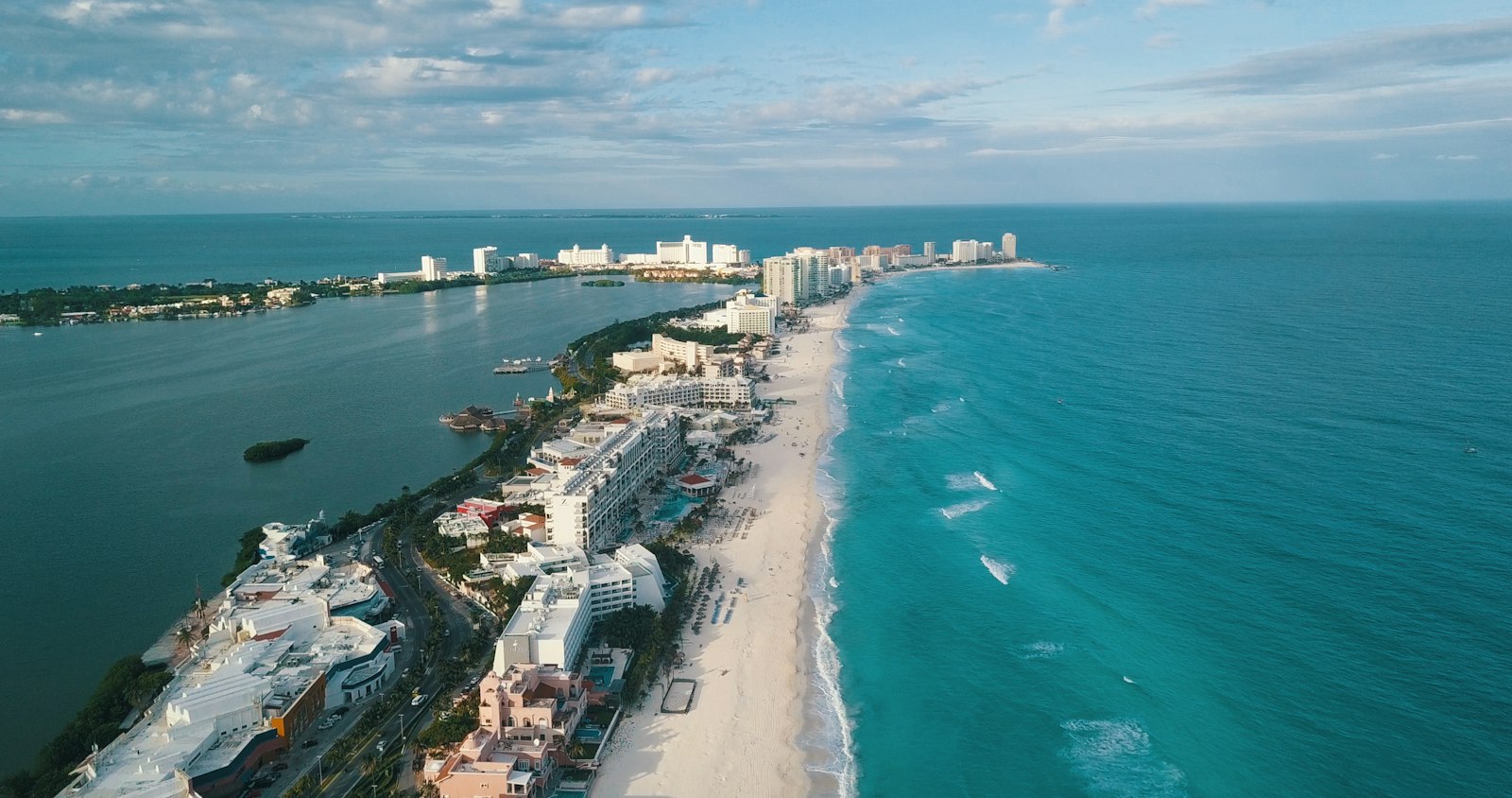
The Caribbean is the most popular cruise destination on earth, and for good reason. Turquoise water, white sand beaches, warm weather, and easy access from virtually every major U.S. port make it the default choice for millions of cruisers every year. But here is the thing most first-timers do not realize: when you cruise the Caribbean matters almost as much as where you cruise.
The difference between a December sailing and an August sailing is not just a few degrees on the thermometer. It is the difference between calm seas and potential hurricanes, between packed ships at full fare and half-empty ships at half price. Get the timing right, and you will have the best vacation of your life at a price that makes you feel like you got away with something.
This guide breaks down the Caribbean cruise calendar month by month so you can book with confidence.
The Big Picture: Three Seasons
Before we get into the details, here is the overview. Caribbean cruising loosely divides into three periods, each with distinct trade-offs.
| Peak Season | Shoulder Season | Off-Season (Hurricane) | |
|---|---|---|---|
| Months | December – April | May, early June, November | Late June – October |
| Weather | 75–85°F, low humidity, calm seas | 80–88°F, moderate humidity | 82–90°F, high humidity, rain likely |
| Pricing | Highest (full fare) | 15–25% below peak | 30–50% below peak |
| Crowds | Ships at 95–100% capacity | Ships at 70–85% capacity | Ships at 60–80% capacity |
| Hurricane Risk | Essentially zero | Very low (May); low-moderate (Nov) | Moderate to high (peaks Aug–Oct) |
| Sea Conditions | Generally calm | Calm to moderate | Can be rough; swells common |
Let us dig into each period in detail.
Peak Season: December Through April
This is the Caribbean's golden window, and every cruise line knows it. The weather is as close to perfect as tropical destinations get — daytime highs in the upper 70s to mid-80s, overnight lows in the comfortable 60s and 70s, and humidity that stays manageable rather than oppressive. Trade winds keep things feeling fresh, and rainfall is at its annual minimum.
The seas are calm during peak season, which matters more than many first-timers expect. Rough water can turn a dream vacation into a miserable experience for anyone prone to seasickness. From December through April, the Atlantic and Caribbean are about as gentle as they get.
The Trade-Offs
All that perfection comes at a price — literally. Peak season fares are the highest of the year, often 30 to 50 percent more than the same cabin on the same ship during hurricane season. Ships sail at or near full capacity, which means crowded pool decks, longer waits at the buffet, and busier ports of call.
The holiday sailings are a category of their own. Christmas and New Year's cruises command premium pricing — sometimes double the normal peak fare — and sell out months in advance. If you want a holiday sailing, book at least nine to twelve months ahead and be prepared to pay top dollar.
Who Should Book Peak Season
Peak season is ideal for first-time cruisers who want a guaranteed great experience, travelers who are sensitive to heat or humidity, anyone prone to seasickness, and families traveling during school winter breaks. If budget is flexible and weather certainty is your priority, this is your window.
Hurricane Season: June 1 Through November 30
The Atlantic hurricane season officially runs from June 1 to November 30. Those dates cover six full months of the year, which sounds alarming — but the reality is more nuanced than the calendar suggests.
The Actual Risk Window
Not all of hurricane season is created equal. Here is how the risk actually breaks down:
June: Hurricane activity is minimal. Tropical storms are rare this early, and the ones that do form tend to stay in the western Caribbean or Gulf of Mexico. For practical purposes, early June cruising carries very little weather risk.
July: Activity begins to pick up slightly, but major hurricanes in July are uncommon. Sea temperatures are rising, fueling storm development, but the peak is still weeks away.
August through mid-October: This is the true danger zone. Sea surface temperatures are at their highest, wind shear is at its lowest, and atmospheric conditions are primed for storm formation. About 90 percent of major Atlantic hurricanes form during this ten-week window. August, September, and early October are the months when cruise itineraries are most likely to be disrupted.
Late October through November: Activity drops sharply. While late-season storms can still form, they are less common and tend to be weaker. By mid-November, the risk is quite low.
How Cruise Lines Handle Storms
Here is something that seasoned cruisers know but first-timers often worry about: cruise lines are extremely good at avoiding hurricanes. Modern weather forecasting gives ships days of advance warning, and a cruise ship can easily outrun or steer around a tropical system.
When a hurricane threatens a scheduled port, the captain will reroute the ship. Your Cozumel stop might become a day in Costa Maya, or your St. Thomas visit might swap for St. Kitts. In extreme cases, the entire itinerary may shift — an Eastern Caribbean cruise might become a Western Caribbean cruise overnight.
The Upside: Dramatic Savings
Hurricane season is when the deals live. Cruise fares during August and September can be 30 to 50 percent below peak season prices. A balcony cabin that costs $1,400 per person in February might be $700 to $900 in September.
Based on GoCruiseTravel's analysis of Caribbean cruise pricing across mainstream cruise lines.
Ships sail with significant empty capacity during hurricane season, which means a more relaxed onboard experience — shorter lines, easier restaurant reservations, and more space at the pool.
Who Should Book Hurricane Season
Budget-conscious travelers who are flexible and comfortable with the possibility of itinerary changes. Repeat cruisers who have "done" the Caribbean and are less focused on specific ports. Travelers without school-age children who can take advantage of off-peak pricing. Anyone who enjoys a quieter ship with fewer passengers.
The Sweet Spot: Shoulder Seasons
If you want the best balance of good weather, reasonable prices, and manageable crowds, the shoulder seasons are where smart cruisers look first.
May and Early June
May is arguably the single best month to cruise the Caribbean. Winter's peak crowds have departed, schools are still in session (so families with kids are mostly absent), and the weather is beautiful — warm but not yet oppressive. Rainfall starts to increase compared to the dry season, but you are talking about brief tropical showers, not all-day deluges.
Hurricane risk in May is negligible. The season has technically not started, and even early June is almost always clear. Pricing is typically 15 to 25 percent below peak, and ships run at 70 to 80 percent capacity.
November
November is the other shoulder gem. Hurricane season is winding down (late-season storms are possible but uncommon), holiday pricing has not yet kicked in, and the weather is pleasant — low 80s with moderate humidity. The first two weeks of November, in particular, offer excellent value before Thanksgiving pricing begins.
Month-by-Month Breakdown
Here is a detailed look at what each month offers for Caribbean cruising.
| Month | Avg. High | Rain | Crowds | Pricing |
|---|---|---|---|---|
| January | 82°F | Low | High | $$$ |
| February | 82°F | Low | High | $$$ |
| March | 83°F | Low | Very High | $$$ |
| April | 85°F | Low-Med | High | $$$ |
| May | 86°F | Medium | Low-Med | $$ |
| June | 87°F | Medium | Low-Med | $$ |
| July | 88°F | Medium | Medium | $$ |
| August | 89°F | High | Low | $ |
| September | 89°F | High | Lowest | $ |
| October | 87°F | High | Low | $ |
| November | 85°F | Medium | Low-Med | $$ |
| December | 83°F | Low | Very High | $$$$ |
January and February
The heart of peak season. Weather is ideal — warm days, cool evenings, almost no rain. These are the most popular months for snowbirds escaping northern winters. Ships are full, ports are busy, and prices reflect the demand. If you want guaranteed great weather and do not mind crowds, January and February deliver.
March
Spring break month. Families flood the Caribbean starting in mid-March, and some sailings sell out entirely. Prices peak during school vacation weeks, particularly on family-friendly lines like (https://www.gocruisetravel.com/en/guides/undefined) (GoCruiseTravel Perk Score: 45/100), (https://www.gocruisetravel.com/en/guides/undefined) (GoCruiseTravel Perk Score: 42/100), and (https://www.gocruisetravel.com/en/guides/undefined) (GoCruiseTravel Perk Score: 58/100). If you do not have kids, avoid mid-to-late March unless you enjoy a lively atmosphere.
April
The tail end of peak season. Weather remains excellent, and crowds thin slightly after spring break ends. Late April can offer surprisingly good value as cruise lines begin transitioning to off-peak pricing. Easter week is the exception — it commands premium fares whenever it falls.
May
The shoulder season standout. Humidity ticks up, but not to summer levels. Brief afternoon showers are possible but rarely last long. Prices drop noticeably, and ships are pleasantly uncrowded. This is when experienced Caribbean cruisers tend to book.
June
Early June mirrors May — good weather, good prices, low hurricane risk. By mid-to-late June, summer family travel begins in earnest (school is out), so ships start to fill up again and prices on family lines rise. The hurricane risk is still low but climbing.
July
Summer is in full swing. Heat and humidity are significant — highs near 90 degrees with tropical moisture. Ships are moderately crowded with families on summer vacation. Pricing is mid-range. Hurricane risk is present but not yet at its peak.
August and September
The least popular months for Caribbean cruising — and the cheapest. Heat is at its maximum, rain is frequent (though rarely all-day), and hurricane risk peaks. September, historically the most active hurricane month, offers the deepest discounts. If you are a heat-loving, budget-focused traveler who does not mind the possibility of an itinerary change, these months offer remarkable value.
October
Hurricane risk remains elevated through mid-October before dropping. Weather is still hot and humid. Prices begin climbing in the second half of the month as the off-season winds down. Late October offers a reasonable balance of value and diminishing storm risk.
November
A transitional month. Early November is an excellent value play — hurricane risk is low, weather is pleasant (low 80s), and holiday pricing has not started. The week of Thanksgiving sees a sharp price increase and a surge in passengers.
December
Holiday season launches Caribbean cruising into its most expensive window. Christmas and New Year's sailings are the priciest of the entire year, often selling out six months or more in advance. Non-holiday December weeks (the first two weeks) offer peak-season weather at slightly more moderate prices.
Eastern vs. Western vs. Southern Caribbean: Which Region, When?
Not all Caribbean itineraries are equal when it comes to seasonal planning.
Eastern Caribbean
Typical ports: St. Thomas, St. Maarten, San Juan, Turks and Caicos, the Bahamas
The Eastern Caribbean is the most exposed to Atlantic hurricane tracks. During peak hurricane months (August through October), Eastern Caribbean itineraries are the most likely to be rerouted. The trade-off: Eastern ports tend to offer clearer water, better beaches, and more of that classic Caribbean postcard scenery. Best timing: December through May, or November.
Western Caribbean
Typical ports: Cozumel, Grand Cayman, Jamaica, Belize, Roatan (Honduras), Costa Maya
The Western Caribbean is somewhat more sheltered from Atlantic hurricanes, though it is not immune — Gulf storms can affect this region. Western itineraries are popular year-round, and Cozumel in particular is one of the busiest cruise ports in the world. These sailings tend to be shorter (4 to 5 nights) and depart from closer ports like Galveston and New Orleans in addition to Florida. Best timing: Year-round, with best weather December through April.
Southern Caribbean
Typical ports: Aruba, Curacao, Bonaire, Barbados, St. Lucia, Grenada
The Southern Caribbean sits below the traditional hurricane belt, making it the safest choice during storm season. Aruba, Curacao, and Bonaire (the "ABC islands") are famously dry and sit outside the hurricane zone almost entirely. The trade-off: Southern Caribbean itineraries are typically longer (7 to 10 nights), depart from fewer ports (often San Juan or Barbados), and cost more than Eastern or Western sailings. Best timing: Year-round, but especially valuable during August through October when you want Caribbean sun without hurricane anxiety.
Special Events and Holiday Considerations
Carnival Season (February - March)
Caribbean Carnival celebrations are legendary, and timing your cruise around them can add an unforgettable cultural dimension. Trinidad Carnival (usually February) is the biggest in the Caribbean and one of the largest in the world. Other islands hold their own versions throughout the winter and spring. If your port of call happens to coincide with a Carnival celebration, expect colorful parades, incredible music, and infectious energy — though the port may be busier than usual.
Spring Break (March - April)
Spring break turns certain ships — particularly Carnival, Royal Caribbean, and Norwegian sailings — into floating parties for two to three weeks in March. If you are a senior traveler or a couple looking for a quiet getaway, avoid mid-March through early April on mainstream lines. Premium and luxury lines ( (https://www.gocruisetravel.com/en/guides/undefined) (GoCruiseTravel Perk Score: 72/100), (https://www.gocruisetravel.com/en/guides/undefined) (GoCruiseTravel Perk Score: 65/100), (https://www.gocruisetravel.com/en/guides/undefined) (GoCruiseTravel Perk Score: 82/100), (https://www.gocruisetravel.com/en/guides/undefined) (GoCruiseTravel Perk Score: 85/100)) are largely unaffected by the spring break surge.
Thanksgiving Week
One of the busiest sailing weeks of the year. Families take advantage of the school break, and ships run at maximum capacity. Prices spike 20 to 40 percent above normal November rates. If you want a November cruise at shoulder-season prices, sail the first two weeks of the month instead.
Christmas and New Year's
The most expensive Caribbean sailing window, period. Seven-night fares during the holiday weeks can run 50 to 100 percent above standard peak-season prices. Ships sell out early, particularly on family lines. If a holiday cruise is on your bucket list, book nine to twelve months in advance and brace for premium pricing. The upside: the festive atmosphere onboard is genuinely special, with decorations, special menus, and celebratory events.
Practical Tips for Timing Your Caribbean Cruise
Book early for peak season. January through April sailings fill up fast, especially for popular ships and balcony cabins. Booking six to twelve months ahead gives you the best selection and often the lowest fares (with price-drop guarantees available on many lines).
Be flexible for the best deals. If you can travel any time, set fare alerts and wait for a promotion. The deepest discounts appear for August, September, and October sailings, often bundled with free drink packages or onboard credit.
Consider travel insurance during hurricane season. A comprehensive policy that covers trip interruption and itinerary changes gives you peace of mind. Some credit cards also offer trip protection when you book travel with them.
Arrive at the port city a day early. This is good advice year-round, but it is essential during hurricane season when flights are more likely to be disrupted by weather. A missed ship is a ruined vacation.
Find Your Caribbean Cruise
Now that you know when to go, the next step is finding the right sailing at the right price. Whether you are chasing winter sunshine or hunting for a summer bargain, the Caribbean has a cruise waiting for you.
GoCruiseTravel's Caribbean Season Recommendation
For the best all-around Caribbean cruise experience, GoCruiseTravel recommends May for value-focused travelers and January through March for those who want guaranteed great weather without compromise. Families locked into school breaks should target early December (before holiday pricing spikes) or early January. If you are hunting for a deal and can handle the possibility of a rerouted itinerary, book a Southern Caribbean sailing in September — the ABC islands stay dry while fares hit their annual low. See GoCruiseTravel's guide to finding cheap cruise deals (https://www.gocruisetravel.com/en/guides/how-to-find-cheap-cruise-deals) for booking strategies, and our cruise booking timing guide (https://www.gocruisetravel.com/en/guides/best-time-to-book-a-cruise) to time your purchase for maximum savings.

Best Season for Mediterranean Cruises
When to cruise the Mediterranean for ideal weather, manageable crowds, and the best value — a seasonal breakdown.