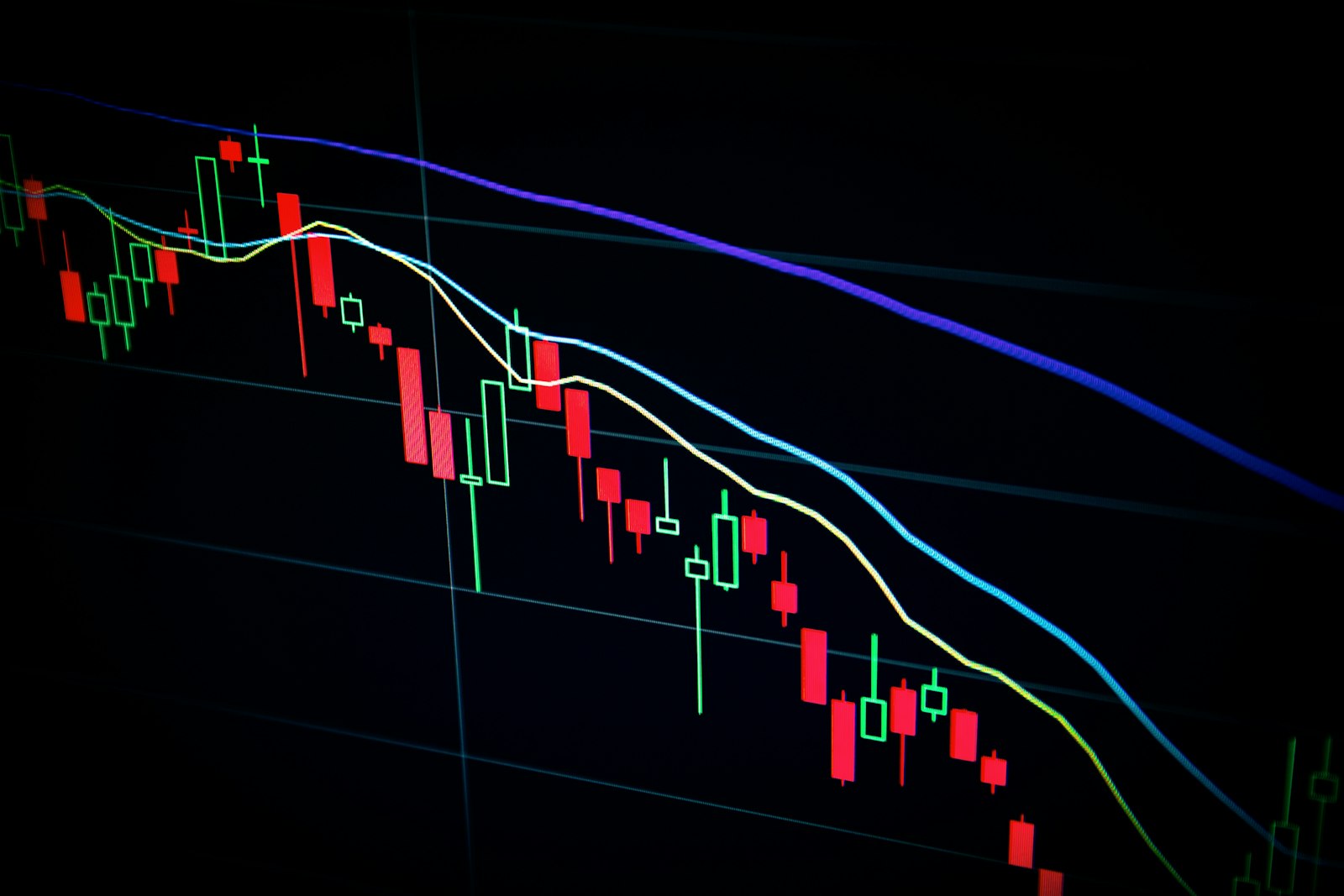
I'll be honest: I don't spend a lot of time watching stock tickers. But when a friend texted me on April 8 asking if she should book a Carnival cruise "before prices go up because their stock just jumped 11 percent," I realized there's a genuine gap between what cruise stock movements actually mean and what travelers think they mean.
So here's the short version. And then the longer, more interesting version that explains why a ceasefire between the United States and Iran sent cruise company stocks soaring — and what it actually means for the price of your next vacation.
There's a twist involving fuel hedging that explains why Carnival moved three times as much as Royal Caribbean. We'll get there.
What Actually Happened on April 8
The timeline matters here.
Less than two hours before a Trump-imposed deadline — during which he had threatened further strikes on Iranian infrastructure — the U.S. and Iran announced a Pakistan-mediated two-week ceasefire, conditional on Iran reopening the Strait of Hormuz. Markets, which had been pricing in potential catastrophe in the Strait of Hormuz, exhaled all at once.
The biggest single-day oil decline since April 2020. West Texas Intermediate fell to $94.41 per barrel, though crude remained well above the $67 level from late February before the conflict began.
The Dow surged over 1,300 points — its best day since April 2025. The S&P 500 gained 2.5%. The Nasdaq climbed 2.8%.
But cruise stocks didn't just ride the wave. They led it.
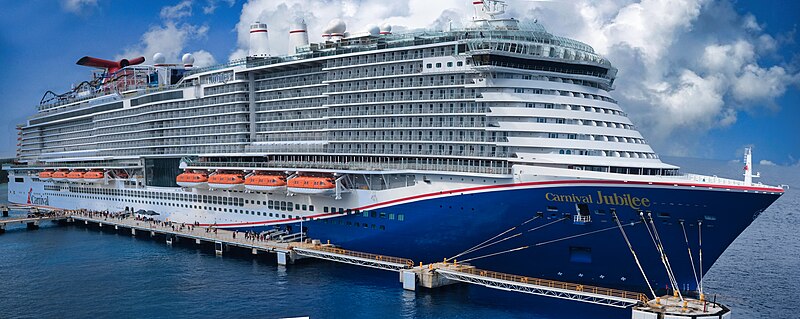
Carnival closed at $28.03 on elevated trading volume well above its recent average. The stock remains down year-to-date despite the surge.
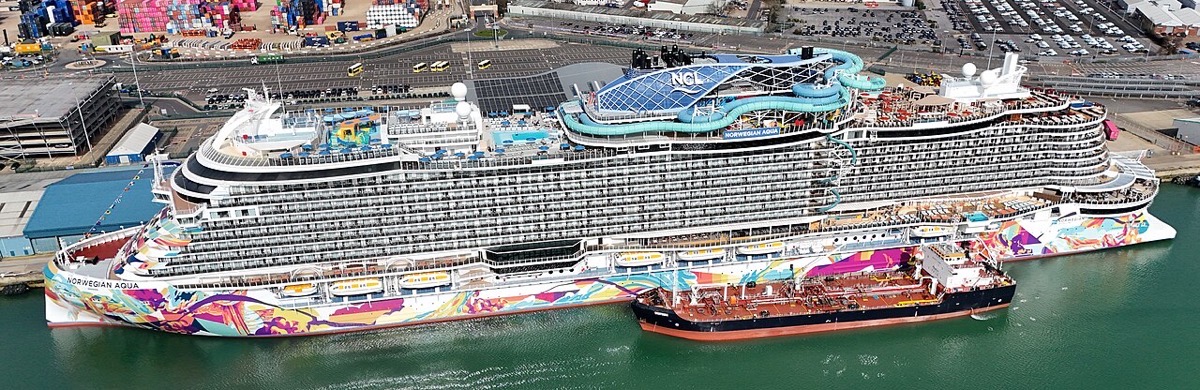
Norwegian Cruise Line closed at $20.16, still down approximately 10% year-to-date.
Royal Caribbean closed at $279.26, showing more resilience year-to-date than its peers.
Notice something? Carnival moved nearly three times as much as Royal Caribbean. That's not random. That's fuel hedging — and it's the most important thing to understand about why cruise stocks behave the way they do.
Cruise Stocks 101: What You're Actually Looking At
If you've never thought about cruise line stocks before, here's the quick primer. You don't need a finance degree. You need roughly ninety seconds.
Carnival, Royal Caribbean, and Norwegian are all publicly traded companies. When you buy a share of CCL (Carnival's ticker), you own a tiny piece of the company that runs Carnival Cruise Line, Princess, Holland America, Cunard, and several others. RCL owns Royal Caribbean, Celebrity, and Silversea. NCLH owns Norwegian, Oceania, and Regent Seven Seas.
Stock prices move based on what investors think future profits will look like. Not current profits. Future ones.
This is why oil matters so much.
The Oil-Fuel-Cruise Connection
Cruise ships burn an extraordinary amount of fuel. We're talking costs that can exceed a million dollars per week for a single large vessel.
Royal Caribbean recorded approximately $1.1 billion in fuel expenses for the same period. Fuel is one of the largest operating costs in the cruise industry.
When oil prices spike, those fuel bills balloon. When oil prices drop, margins improve. The math is brutal in its simplicity.
But here's where it gets interesting — and where that Carnival vs. Royal Caribbean gap gets explained.
The Fuel Hedging Gap (This Is the Twist)
Royal Caribbean hedges approximately 60% of its fuel needs for the year. That means they've locked in prices in advance for the majority of the fuel they'll burn. When oil spikes, they're partially protected. When oil crashes, they don't benefit as much from the drop.
Carnival hedges nothing.
This is why Carnival stock moved 11.2% while Royal Caribbean moved 4.3%. Carnival's profits are fully exposed to oil price swings in both directions. When oil crashed on April 8, investors immediately recalculated Carnival's fuel costs for the rest of the year — and the numbers looked dramatically better.
How dramatically? Carnival had already warned investors about absorbing over $500 million in adverse fuel costs for 2026 after cutting its full-year earnings guidance. A sustained oil price decline would claw back a significant portion of that hit.
Carnival cut its adjusted EPS guidance to $2.21 to account for elevated fuel costs. The company reported that operational improvements and higher yields would offset approximately $150 million of this impact.
Norwegian hedges roughly half of its fuel consumption — more than Carnival's zero, but less than Royal Caribbean's 60% — which is why its 7.6% gain landed right in the middle.
What This Actually Means for Your Cruise Booking
Here's the part you probably care about most.
Does a cruise stock surge mean your fare is about to go up? Not exactly. Cruise fares and cruise stocks are driven by related but different forces. Stock prices react to expected future profits. Fares react to current booking demand.
And booking demand? It's strong. Very strong.
Customer deposits stand at nearly $8 billion, up roughly 10% year-over-year. This represents historically high booking levels at historically high prices.
So fares aren't likely to drop just because oil got cheaper. The ships are nearly full. Cruise lines don't discount when demand is this high.
But — and this is important — falling oil prices make fuel surcharges less likely.
A handful of smaller cruise operators — including Resorts World Cruises and Margaritaville at Sea — had already begun adding daily fuel surcharges of up to $25 per person per day during the oil spike. The three major U.S. lines (Carnival, Royal Caribbean, Norwegian) have not yet imposed surcharges, but all three have contractual clauses allowing fees of $9 to $12 per person per day when oil exceeds certain thresholds — thresholds that current prices still exceed. If oil prices stay lower after the ceasefire, invoking those clauses becomes less likely.
Which Cruise Lines Benefit Most from Cheaper Oil
Not all cruise companies feel oil price changes equally. Here's the hierarchy, from most impacted to least:
Carnival Corporation (CCL) benefits the most from oil drops because they hedge nothing. Their fleet is also the largest in the industry — more ships burning more fuel means more savings per dollar of oil price decline. The flip side: they suffer the most when oil rises.
Norwegian Cruise Line Holdings (NCLH) hedges roughly 51% of its 2026 fuel consumption. They benefit meaningfully from oil drops but with a smaller multiplier than Carnival.
Royal Caribbean Group (RCL) is the most insulated. Their approximately 60% hedge position means oil drops help, but the gains are muted. In exchange, they had the smoothest ride during the March oil spike — which is why RCL's year-to-date stock decline is smaller than its peers.
For cruise travelers, this translates to a practical insight: Carnival-family lines (Carnival, Princess, Holland America, Cunard) are the most likely to adjust surcharges based on oil movements. Royal Caribbean-family lines (Royal Caribbean, Celebrity, Silversea) tend to absorb fuel cost swings without passing them to passengers.
The Ceasefire Caveat
A reality check is warranted.
The April 8 ceasefire was announced as a two-week agreement. Markets reacted as if peace had been declared, but the situation remains fluid. Iran has already signaled potential objections. If the ceasefire collapses, oil prices could reverse course rapidly — and cruise stocks would give back their gains just as fast.
The broader trend matters more than any single day. If diplomatic progress continues, sustained lower oil prices would meaningfully improve the profit outlook for all three major cruise companies — and reduce the likelihood of fuel surcharges sticking around for travelers.
If the situation deteriorates, we're back to elevated fuel costs, potential surcharges, and the stock volatility that has characterized cruise equities since March.
The Bottom Line for Cruise Travelers
Stock market drama makes for good headlines. But for someone planning a cruise vacation, the signal-to-noise ratio is low.
Here's what actually matters for your booking:
Fuel surcharges are the direct connection between oil prices and your wallet. Monitor whether your cruise line has imposed or rolled back fuel surcharges — that's real money.
Fares are demand-driven. With approximately 85% of 2026 capacity booked and customer deposits at record levels, fares are not heading down regardless of what oil does. If you're waiting for a price drop to book, the data suggests you'll be waiting a while.
Book based on your travel plans, not stock charts. The April 8 surge was dramatic, but it tells you more about Wall Street's mood than about the experience you'll have on a ship.
GoCruiseTravel.com tracks real-time pricing across all major cruise lines. If you're curious whether a specific sailing has had its fuel surcharge adjusted — or if you want to compare all-in costs between lines that hedge fuel and lines that don't — that's exactly what our comparison tools are built for.
Should Cruise Stock Moves Change Your Booking Plans?
No. Stock prices reflect investor expectations about corporate profits, not the quality or value of your vacation. The practical takeaway from April 8: falling oil prices reduce the risk of fuel surcharges on your booking, which is genuinely good news. But cruise fares are driven by demand, and demand is historically strong. Book based on when you want to travel and what experience you want — then use GoCruiseTravel.com to compare all-in costs across lines. The stock market will take care of itself.

Tariffs Are Rattling Cruise Stocks — But Is NOW Actually the Best Time to Book a 2026 or 2027 Cruise?
Cruise stocks are down on April tariff anxiety — prices haven't followed. The honest booking framework, and why April 30 is your real decision clock.