There's a number I'll come back to. $147.
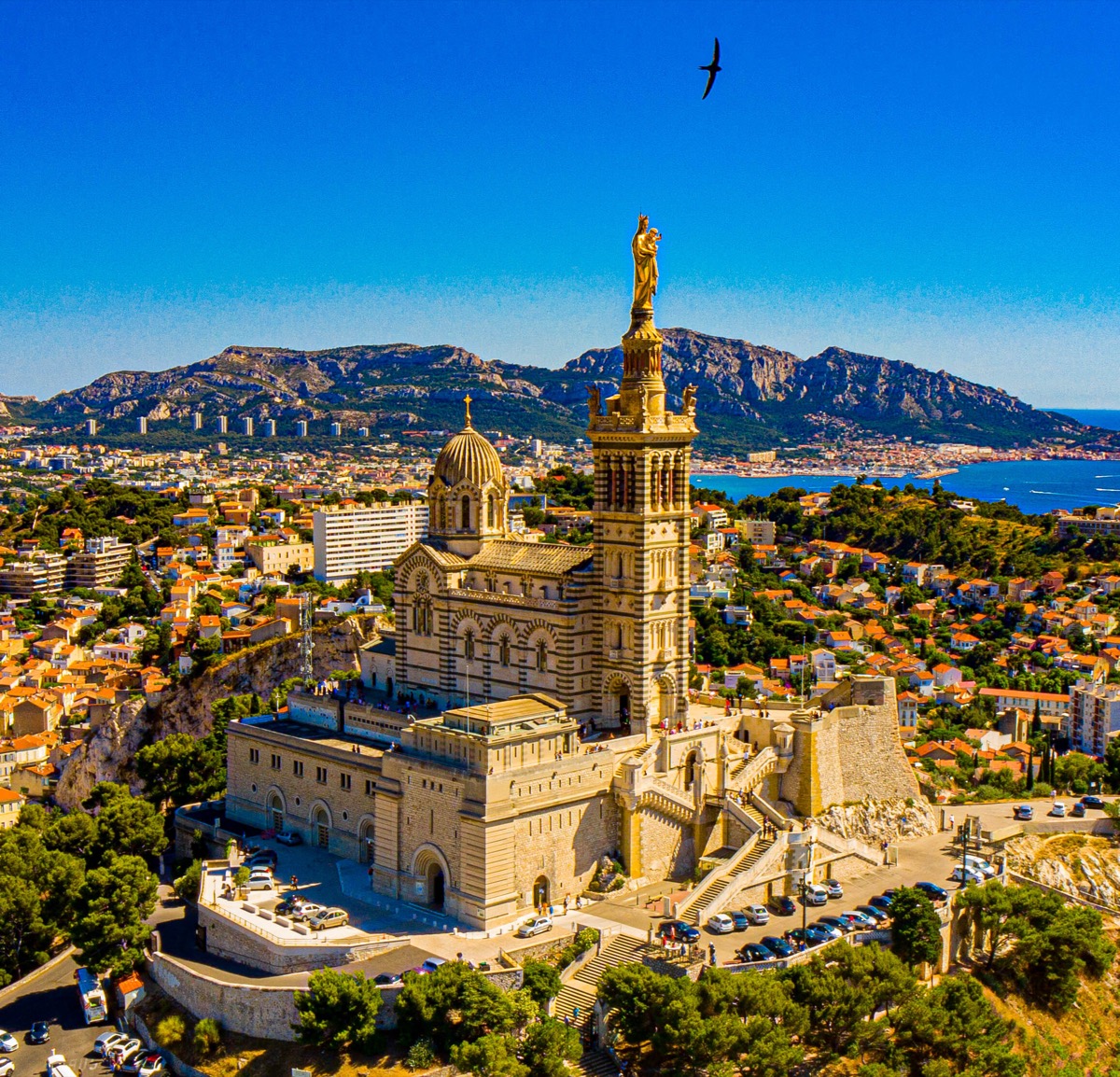
That's the per-night, per-person all-in average for a 7-day Western Mediterranean cruise leaving Barcelona in October. It includes the cabin, every meal, port fees, the bus to and from your hotel each day — except there is no bus and there is no hotel. You wake up in Marseille. The next morning it's Genoa. By Friday you're in Palma de Mallorca and you haven't unpacked once.
If you're in your 30s or 40s and you've spent your travel life on Airbnbs in Lisbon and budget flights to Tokyo, that number probably surprises you. It surprised me.
The honest answer: they solve different problems
The travel-snob crowd will tell you cruises are tacky. The cruise industry will tell you cruises are the only sensible way to see Europe. Both are wrong.
Land travel and cruising aren't competitors. They solve different problems. A two-week trip to Japan and a 7-day Mediterranean cruise are not substitute goods, the way an Uber and a rental car are substitute goods for a single trip. They're more like a tasting menu and a long dinner. Different formats. Different appetites.
Most people get this wrong because the only voices in the conversation are people selling cruises and people performatively avoiding them. Neither is being honest with you.
When land travel actually wins
If your ideal trip is wandering Kyoto for a week with no agenda, eating ramen at a 7-seat counter at 11pm, and changing your plans because you met someone interesting at a coffee shop — a cruise is going to disappoint you. Cruises don't wander. They run on a schedule that is, by maritime law, non-negotiable.
Land travel wins decisively for:
- Going deep in one country. A week in Kyoto. Two weeks in Italy. Three weeks driving New Zealand.
- Spontaneous itinerary changes. Cruises sail on a fixed clock; if you fall in love with a town, the ship leaves at 7pm anyway.
- Eating where locals eat. Ship food is fine. Ship food is not local. The 9pm trattoria where the owner argues with the chef is a land-travel experience.
- Genuine cultural immersion. An 8-hour port stop is reconnaissance. It is not a visit.
flights, hotels, internal transit, meals; based on standard 4-city itineraries
When a cruise actually wins
Now the part nobody on the travel-blog circuit will admit. There are trips where a cruise is the obviously better answer, and the math is not close.
Cruise wins decisively for:
- Multi-country sampler trips. Four countries in seven days, no internal flights, no train transfers, no hotel checkouts. Land travel cannot compete with this on price, time, or stress.
- Group trips with mismatched preferences. Someone wants beach, someone wants culture, someone wants to do nothing. A cruise gives all three on alternating days. Trust me, this saves marriages.
- Multi-generational travel. If you're traveling with parents in their 70s or kids under 8, a cruise's flat ship layout, no-stairs option, and pre-booked food is a quality-of-life difference, not a luxury.
- Cost predictability. You've already paid for tomorrow's lunch. There are no surprises on the credit-card bill except the spa.
- Decompression built in. A sea day in the middle of a port-heavy week is the closest thing to a forced rest day in modern travel.
The math, and the catch
A typical land-based week in the Mediterranean with 4 cities — Barcelona, Marseille, Florence, Rome — runs around $3,200 per person before souvenirs. That's flights, hotels, internal transport, meals.
The equivalent 7-night Mediterranean cruise leaving Barcelona, hitting four similar coastal cities, sails for around $1,029 per person in an inside cabin. Roughly $147 a night, all in. That's the number.
inside cabin, October sailing, includes meals, transit, accommodation
The catch: those are different trips. The land trip is deeper. The cruise is broader. If your goal is to spend three days in Florence eating your way down the Arno, the cruise is wrong for you no matter how good the math looks. If your goal is to find out which Mediterranean country you actually want to come back to for two weeks next year, the cruise is the right answer and the price is barely the point.
Your day on a 7-day Mediterranean cruise
It's 6:45am and you're in your dressing gown on a balcony watching Naples slide past. The smell is harbor diesel and burnt coffee from the deck-10 bar one floor up. You've already decided you're skipping the Pompeii excursion because the ship's docked from 7am to 7pm and the entire bay of Naples is right there.
By 11am you're at a pizza place a local confirmed by argument. By 3pm you're back on the ship eating gelato that is, somehow, also good. By 5pm you're in the thermal suite with a window over the wake. By 8pm you're at dinner you didn't book and didn't pay extra for.
You haven't packed, unpacked, repacked, or made a single hotel reservation. That's the actual sales pitch. Not the brochure.
The cons cruise marketing won't tell you
Honest list, no hedging:
- Port days are shallow. Eight hours in Civitavecchia is not eight hours in Rome — subtract two hours of transfer each way and you have four hours in central Rome. That's not Rome. That's a postcard of Rome.
- The captive economy is real. $14 cocktails, $80 spa treatments, photo packages priced like fine art. The drinks package can pay for itself or trap you.
- Megaships feel like megaships. 6,000+ passenger ships are theme parks at sea. Some people love that. If you don't, a midsize ship of 2,500 to 3,500 is the right call.
- Sustainability. There is no honest way around this. Even modern LNG-powered ships emit more per passenger-mile than a train-and-hostel trip across Europe. If carbon is a hard line for you, this matters more than the math.
- Cruise line brochures lie by aesthetic. Most ships are nothing like the brochure. Some are better. The only way to know is to look up the ship — not the line — and read what it actually is.
How to pick your first cruise
If you've read this far and you're still curious, here's the lowest-risk first sample:
Fly to your embarkation port two days early. Walk the city on your own — Barcelona, Athens, Venice, Lisbon. That's your land-travel deep dive. Then board the cruise. The ship handles the multi-country sampler. You handle the depth. Many first-timers find this combination converts them faster than a pure cruise ever would.
Filter sailings by all-in price-per-night at GoCruiseTravel.com — that's the only number that's honestly comparable to a hotel night, because it includes the food, the transit, and the room.
Cruise vs land travel at a glance
| Factor | Land travel | Cruise |
|---|---|---|
| Depth in one country | Wins | Loses |
| Multi-country in one trip | Loses | Wins |
| Cost predictability | Variable | Locked in |
| Decision fatigue | High | Much lower |
| Authentic local food | Wins | Ship food is fine, not local |
| Group travel ease | Hard | Wins |
| Spontaneous changes | Wins | Loses |
| Carbon footprint | Variable | Always significant |
| Recovery days built in | None | Sea days |
Meanwhile, today
Right now you're at your desk reading this. On a Mediterranean cruise today is Tuesday in Mykonos. You're on a beach-club lounger you're paying 12 euros for, the wind is blowing your hat into someone else's drink, and at 5pm the ship horn will sound and you'll walk back through the white-cube alleys to a ship that already knows what you're having for dinner.
That's the format. That's the trade. The format is good or bad depending on which trip you're actually trying to take.
The honest call for first-timers in their 30s and 40s
Don't take sides. Land travel is for going deep. Cruising is for going wide — fast, predictable, low-friction. The right test isn't whether cruising is for you. The right test is whether your next trip is a sampler trip or a depth trip. If it's a sampler — multi-country, a group, older relatives, kids, or you genuinely just want to wake up somewhere different every day without thinking about it — try one. The risk is one week of your life. You'll know the answer either way.
You can compare every Mediterranean and Northern Europe sailing side-by-side at GoCruiseTravel.com — including the all-in nightly cost, which is the only number that actually compares to a hotel. The decision is still yours. Don't let the cruise industry pick it for you. And don't let your travel-snob friends pick it either.

Royal Caribbean vs Norwegian: Real Family Cruise Cost in 2026
Norwegian advertises Free at Sea while Royal Caribbean charges upfront. We audited the family ledger on go-karts, dining, tips, and shows.