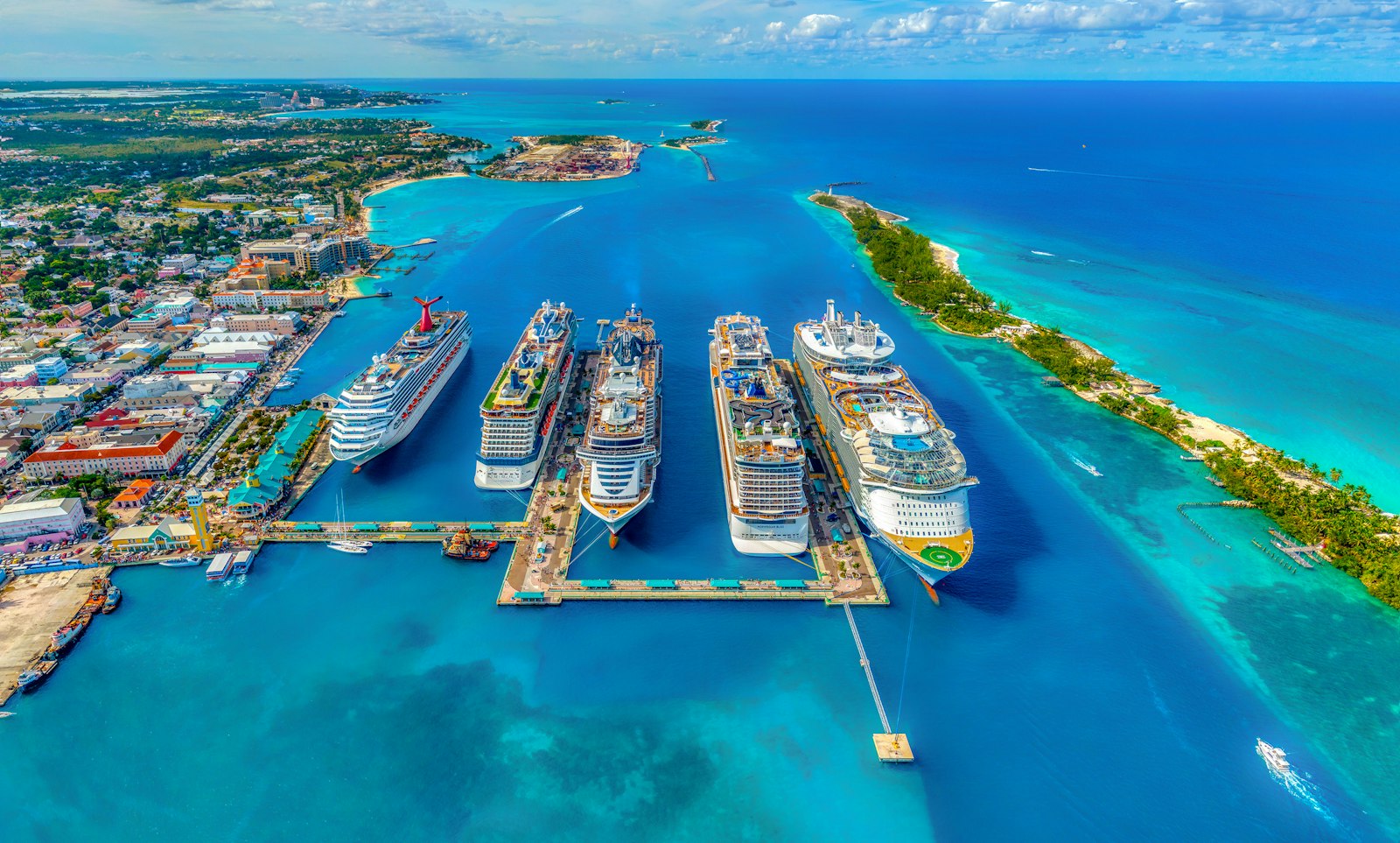
The #1 first-cruise mistake is pre-booking too many paid extras before trying what is already included. The included dining, entertainment, and amenities on modern cruise ships are excellent. For your first cruise line, GoCruiseTravel recommends Royal Caribbean (families/variety), Celebrity (couples/quality), or Viking (everything included). A 7-night balcony cruise averages $150–$250 per person per night all-in.
Nobody tells you the truth about your first cruise. The brochures show sunset balcony dinners and pristine pools. The forums bury you in 47 opinions about optimal boarding strategy. Your aunt who cruised in 2014 swears you need formal gowns.
Here is what you actually need to know — the honest, practical, slightly opinionated guide I wish someone had handed me before my first sailing. No sales pitch. Just the stuff that makes the difference between a good cruise and a great one.
The Single Biggest First-Timer Mistake
It is not packing wrong or picking the wrong cabin. It is not doing the free stuff first.
First-time cruisers panic about specialty restaurants, drink packages, spa treatments, and excursions — all the things that cost extra. They pre-book $500 worth of add-ons before they have even seen what is already included.
Here is the thing: the included dining on a good cruise line is excellent. The main dining room on (https://www.gocruisetravel.com/en/guides/undefined) (GoCruiseTravel Perk Score: 72/100), (https://www.gocruisetravel.com/en/guides/undefined) (GoCruiseTravel Perk Score: 85/100), or (https://www.gocruisetravel.com/en/guides/undefined) (GoCruiseTravel Perk Score: 65/100) serves multi-course meals that would cost $60–$100 at a restaurant on land. The buffet on a modern ship is genuinely good. The pool, the shows, the gym, the library, the outdoor deck space — all free. Room service breakfast — free on most lines.
Try everything that is included first. Then decide what extras are worth it to you. Most first-timers find they need far fewer add-ons than they budgeted for.
Choosing Your First Cruise Line
This matters more than the destination. A cruise line sets the tone for everything — the food, the vibe, the crowd, the dress code, the pace. Pick wrong and you will think you hate cruising. Pick right and you will be booking your second trip before you disembark.
If you want maximum fun and variety: (https://www.gocruisetravel.com/en/guides/undefined) (GoCruiseTravel Perk Score: 45/100). The mega-ships are floating theme parks — rock climbing walls, surf simulators, ice skating rinks, 20+ restaurants. Great for families and anyone who gets bored easily.
If you want relaxed elegance: Celebrity Cruises. Modern, design-forward ships with outstanding food and a sophisticated-but-not-stuffy atmosphere. Ideal for couples and adults who want quality over quantity.
If you want everything included: Viking. No kids, no casinos, no nickel-and-diming. Wine with dinner, Wi-Fi, a shore excursion at every port, and beautifully designed ships. Perfect for travelers who hate surprises on the bill.
If you want the best price: (https://www.gocruisetravel.com/en/guides/undefined) (GoCruiseTravel Perk Score: 42/100). The fares are the lowest in the industry, the ships are fun and colorful, and the atmosphere is a permanent vacation. Great for budget-conscious families and groups of friends.
If you want quiet luxury: (https://www.gocruisetravel.com/en/guides/undefined) (GoCruiseTravel Perk Score: 82/100) or (https://www.gocruisetravel.com/en/guides/undefined) (GoCruiseTravel Perk Score: 98/100). Smaller ships, exceptional food (Oceania's is the best at sea), and a guest-to-crew ratio that means genuinely personal service.
What to Actually Expect on Day One
Embarkation day is exciting but slightly chaotic. Here is the real sequence:
Before you arrive: Complete online check-in (most lines open this 30–45 days before sailing). Upload your passport photo, fill in health forms, set up your onboard account, and select an arrival time. Do not skip this — it saves enormous time at the port.
At the port terminal: Drop your large luggage at the curb with porters (tip $2–$3 per bag). It will appear in your cabin within a few hours. Carry a day bag with essentials — medications, swimsuit, change of clothes, documents, phone charger.
Check-in: Show your passport, boarding pass (from the app), and credit card for the onboard account. You will get a cruise card — this is your room key, ID, and charge card for the entire trip.
Boarding: Walk onto the ship. The first thing you see is usually a grand atrium and someone offering you a drink. Accept it (it is sometimes free, sometimes not — ask first).
First two hours: The cabin is not ready yet if you board early. That is fine. Go eat lunch (the buffet is open), explore the ship, find the pool, locate the main theater, and orient yourself. The ship is a small city — spend this time learning the layout.
The Cabin Question
This is the most stressful decision for first-timers, and it should not be. Here is the honest breakdown:
Inside cabin: No window. Sounds terrible, feels fine. You are barely in the cabin — you are eating, exploring, or on deck. If you just need a place to sleep and shower, inside cabins save you serious money. Perfect for budget-conscious travelers and families with kids who will not sit still anyway.
Ocean view: A window you cannot open. Gives natural light and a sense of space. Nice, but a weird middle ground — not much cheaper than a balcony.
Balcony: This is where most first-timers should start if the budget allows. Waking up, opening the curtain, and seeing the ocean or a new port from your own private space is the single most magical moment of cruising. Coffee on the balcony at sunrise is worth the upgrade.
Suite: Luxury for those who want it. More space, sometimes a separate living room, priority everything. Not necessary for a great cruise but hard to go back from once you have tried it.
The honest advice: if you can afford a balcony, get one for your first cruise. If not, an inside cabin is absolutely fine — do not let anyone tell you otherwise. A bad cabin with a great attitude beats a great cabin with buyer's remorse.
Money: What You Will Actually Spend
Cruise pricing is transparent once you understand the structure. The fare covers your cabin, all main dining, entertainment, and transportation. Here is what is extra:
Gratuities: $16–$20 per person per day on most mainstream lines, auto-charged to your account. Budget this in advance — it is not optional (you can adjust at Guest Services, but the standard amount is expected). Luxury lines include gratuities in the fare.
Drinks: Water, basic coffee, tea, and juice are free. Alcohol, specialty coffee, and sodas cost extra. A drink package ($50–$100/day) makes sense if you drink 5+ alcoholic beverages daily. If you have two glasses of wine at dinner, just pay per drink.
Shore excursions: The ship offers organized tours at each port ($50–$300 per person). You can also explore independently, which is often cheaper and more flexible. In well-developed ports (European cities, Caribbean beach towns), walking off the ship on your own is easy and rewarding.
Specialty dining: $30–$85 per person on mainstream lines. Worth trying once or twice, but the included dining is good enough to skip these entirely if you want.
Wi-Fi: $15–$25 per day on most lines, or included on luxury lines and Viking. Cruise Wi-Fi is slower than on land. Consider this a chance to disconnect.
A realistic budget for extras on a 7-night mainstream cruise: $100–$150 per person per day if you drink moderately and do a mix of ship excursions and independent exploration. You can spend far less by sticking to included options.
Based on GoCruiseTravel's analysis of 272 mainstream and premium sailings. Includes cabin, meals, entertainment, gratuities, and moderate extras.
The Stuff Nobody Mentions
The Muster Drill is mandatory. Before the ship sails, everyone gathers at their assigned muster station for a safety briefing. Most lines now do this via a short video on your phone plus a brief check-in at your station. It takes 10 minutes. Do not try to skip it — they will find you.
Formal nights are optional. Most mainstream ships have 1–2 "formal" or "elegant" nights per 7-night cruise. You do not need a tuxedo. Dark jeans and a nice shirt work fine for men. A dress or dressy pants for women. Or skip the main dining room that night and eat at the buffet in shorts — nobody cares.
You will not get bored. This is the #1 fear of first-timers and the #1 thing they are wrong about. Between ports, pools, shows, dining, bars, trivia, cooking classes, fitness classes, spa, library, and simply watching the ocean — most cruisers run out of time, not activities.
Sea days are the best days. First-timers worry about days with no port. Veterans know sea days are when you actually relax — sleep in, eat a long breakfast, read by the pool, catch an afternoon show, nap, dress up for dinner. No schedule, no rushing. Pure vacation.
Tipping culture varies. On mainstream lines (Royal Caribbean, Carnival, (https://www.gocruisetravel.com/en/guides/undefined) (GoCruiseTravel Perk Score: 52/100)), auto-gratuities are added daily. On luxury lines (Viking, Oceania, Regent, (https://www.gocruisetravel.com/en/guides/undefined) (GoCruiseTravel Perk Score: 95/100)), tips are included. Do not double-tip unless service was extraordinary.
Port Days: Ship Excursion or DIY?
This depends on the port. The honest guidance:
Use a ship excursion when: The port is logistically complicated (tenders to shore, language barriers, limited transportation), safety is a concern, or the best experience requires a guide (snorkeling, helicopter tours, archaeological sites). Also if the ship is your guaranteed ride home — if a ship excursion runs late, the ship waits. If you are on your own, it does not.
Go independent when: The port is a walkable city (Barcelona, Rome, Dubrovnik, Nassau), public transportation is easy (Japan, Northern Europe), or you want to move at your own pace. Independent exploration is almost always cheaper and more authentic.
The hybrid approach: Book a local tour through a third-party company at a fraction of the ship's price, but give yourself a generous time buffer to get back. Or walk around independently in the morning and join a ship excursion in the afternoon.
Your First-Night Cheat Sheet
Here is exactly what to do your first evening:
- Unpack. Your luggage arrives by late afternoon. Hang things up, organize drawers, set up the bathroom. A settled cabin feels like home.
- Attend the sail-away party. Head to the top deck as the ship leaves port. This is one of the most exhilarating moments in travel — watching the land shrink as the open ocean appears. Bring a drink.
- Eat in the main dining room. Not the buffet, not a specialty restaurant — the MDR. Introduce yourself to your waiter. Tell them your preferences. This relationship pays dividends all week.
- See the evening show. The main theater production on the first night sets the tone. It is free, it is fun, and it is better than you expect.
- Walk the ship at night. The decks are beautiful after dark. Find a quiet spot, look at the stars, listen to the ocean. This is the moment it clicks — you are on a ship in the middle of the sea, and everything is taken care of.
The Bottom Line
GoCruiseTravel's First-Cruise Recommendation
For your first cruise, book a 7-night balcony cabin on Celebrity (couples), Royal Caribbean (families), or Viking (everything included). Choose Caribbean for winter, Mediterranean for summer, Alaska for bucket-list scenery. Budget 2–2.5x the base fare for the real all-in cost. Try all the free stuff first — you will be surprised how little you need to add. For a complete pricing breakdown, see our cruise pricing guide (https://www.gocruisetravel.com/en/guides/understanding-cruise-pricing).
A cruise is the easiest vacation you will ever take. Someone else drives. Someone else cooks. Someone else cleans. Someone else plans the entertainment, docks in beautiful ports, and makes sure you are safe. All you have to do is show up, eat well, explore a little, and remember to look at the ocean.
Your first cruise will not be perfect — you will learn things you will do differently next time. But it will almost certainly be better than you expected. The majority of first-time cruisers book again, and there is a reason for that.
The ocean is calling. Just go.

Repositioning Cruises: How to Cross an Ocean for $50/Night
Every spring and fall, cruise lines sell one-way ocean crossings for $40–80/night. How to find and book repositioning cruises.