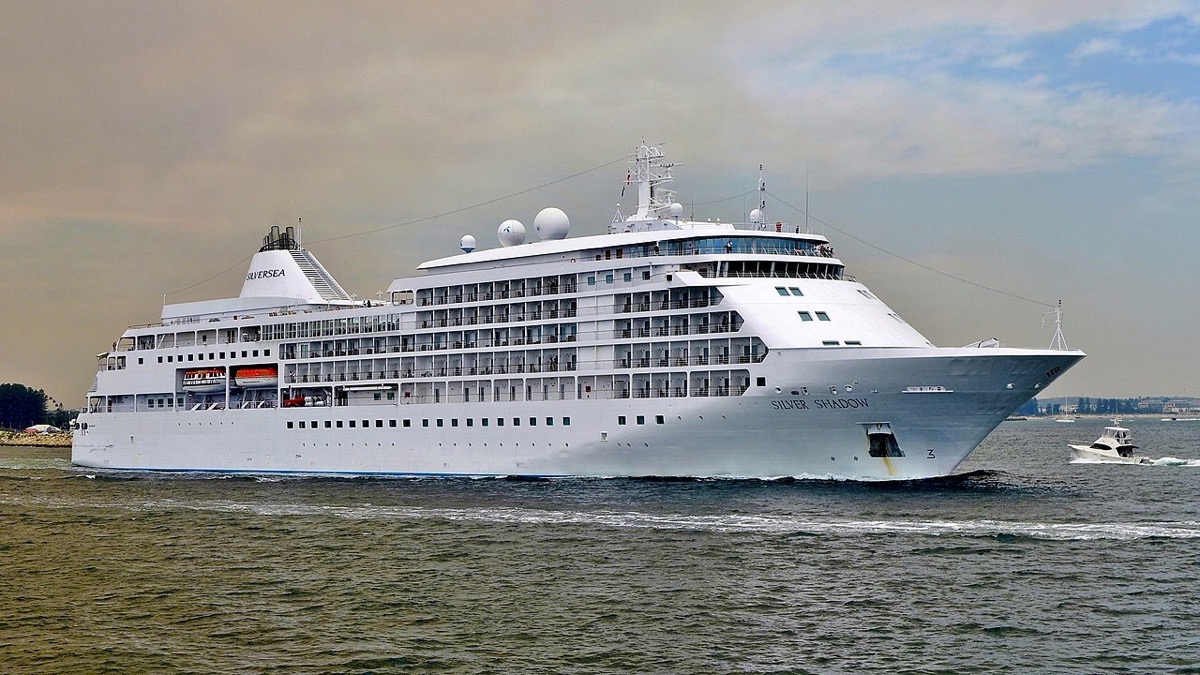
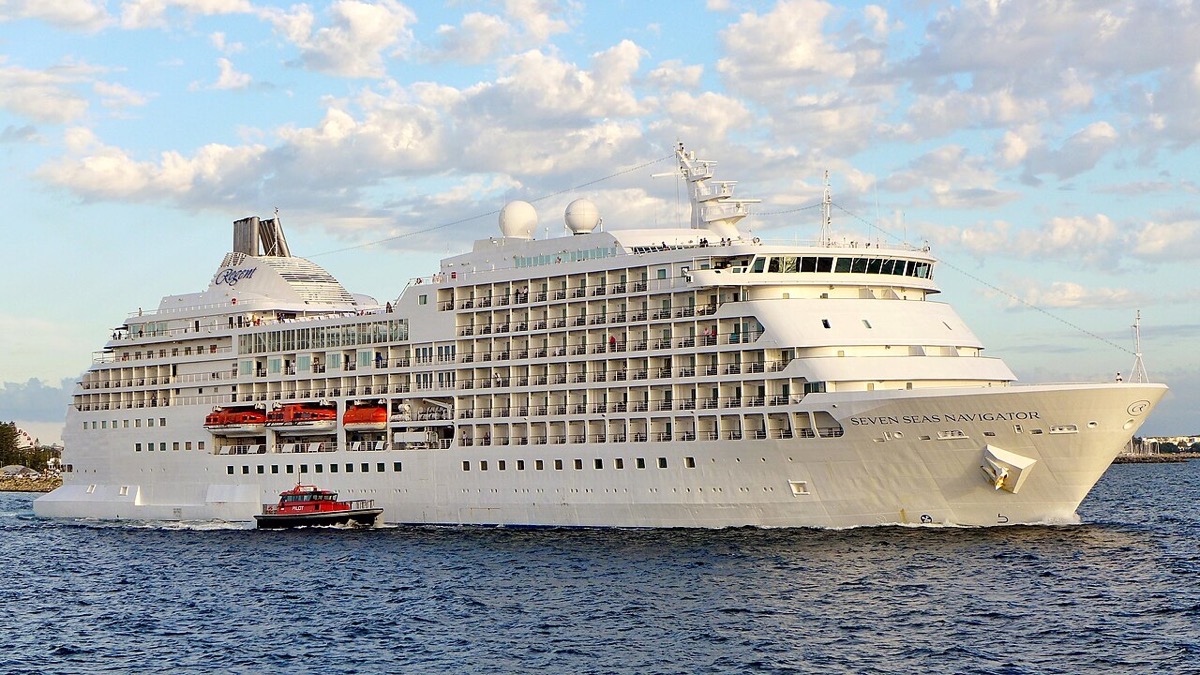
Ultra-luxury lines treat public percentage-off discounts like a social embarrassment. Instead, they quietly bundle thousands of dollars in flights, suite upgrades, and shipboard credit into curated booking windows.
calculated across 140 Regent, Silversea, and Seabourn promotional sailings on GoCruiseTravel.com
The Public Myth of Firm Luxury Cruise Fares
Top-tier cruise lines treat public price-slashing the way five-star hotels treat coupon codes. Advertising a fifty-percent flash sale damages perceived brand prestige and angers returning loyalty guests.
Yet ships cannot sail half-empty. When inventory lags on high-end departures, operators discount through secondary channels.
Travelers who understand this pricing architecture can secure thousands of dollars in real value. You simply have to know which terms represent actual money.
Four Quiet Vehicles for High-End Cruise Discounts
High-end operators use four primary levers to reduce passenger costs without changing published catalog prices.
1. Two-Category Suite Upgrades
A two-category upgrade is the most common luxury incentive. A guest purchases a standard veranda suite and receives an assignment in a superior deluxe veranda.
This costs the cruise line almost nothing in marginal operational expense. For the traveler, it represents between $1,200 and $2,800 in retail fare value.
2. Bundled Business Class Airfare
Regent Seven Seas and Silversea frequently promote complimentary or deeply subsidized international airfare. On transatlantic and Asian itineraries, this often includes intercontinental business class seats.
A business class ticket from North America to Rome or Tokyo regularly commands $4,000 to $6,000. When a cruise line absorbs that fare, the net cost of the sailing drops significantly.
3. Shipboard Credit Envelopes
Credit amounts on ultra-luxury vessels can reach $1,000 to $2,000 per suite. Because standard dining, spirits, and tips are already complimentary, this credit goes toward premium spa treatments, private car excursions, or vintage reserve wines.
4. Waived Single Supplements
Solo cruisers usually pay double occupancy fares on standard lines. Top-tier operators frequently drop single supplement rates to 10 percent or 25 percent on select departures.

Real Value Comparison: Ultra-Luxury vs. Mega-Ship Suites
Many travelers assume mainstream mega-ship suites are cheaper than boutique vessels. The numbers tell a different story once all add-ons are tallied.
| Feature | Regent Seven Seas | Silversea (Door-to-Door) | Mega-Ship Suite (Haven / Retreat) |
|---|---|---|---|
| Base 7-Night Fare | $5,800 | $5,400 | $4,200 |
| Shore Excursions | Included ($0) | Included ($0) | $950 extra |
| Premium Spirits | Included ($0) | Included ($0) | $650 package |
| Crew Gratuities | Included ($0) | Included ($0) | $180 added |
| Business Class Flights | Included ($0) | Included ($0) | $3,800 out-of-pocket |
| Net Real Trip Cost | $5,800 | $5,400 | $9,780 |
based on true cost comparison models maintained by GoCruiseTravel.com
The Best Calendar Windows to Secure High-End Savings
Timing your booking dictates the level of private concessions you receive.
Wave Season runs from January through March. Operators release their primary annual promotional packages during this window, pairing category upgrades with airfare credits.
Repositioning voyages in April and October offer the lowest daily cost in high-end cruising. Ships moving between the Mediterranean and Caribbean have extra sea days that suppress booking demand among first-time cruisers.
Understand how cruise lines define all-inclusive packages and hidden port fees. — see The Cruise Brochure Translator (https://www.gocruisetravel.com/en/guides/cruise-brochure-translator)The Bottom Line on Luxury Cruise Pricing

Wave Season Is Over. Here's When 2026 Cruise Deals Actually Drop.
Wave Season is just marketing. Real cruise discounts cluster in three windows. Here's when prices actually move and when 'sale' just means 'price tag'.