At some point, you've done enough mainstream cruises. You've seen the Caribbean. You've done the Mediterranean. You've eaten at the buffet in seventeen time zones and you can navigate a mega-ship blindfolded.
And then a thought appears, quiet at first, then persistent: What if the cruise went somewhere that actually scares you a little?
Welcome to expedition cruising. Where the destination isn't a backdrop to the ship experience — it's the entire point.
What Makes It Different
Everything.
The ships are small. 100–500 passengers, not 5,000. You know the crew by name. You know the other passengers. The ship is a tool for reaching remote places, not a destination itself.
The schedule is flexible. A pod of whales surfaces off the port bow? The captain changes course. The weather opens a landing site that wasn't on the itinerary? You go there instead. Expedition cruising runs on opportunity, not a printed schedule.
Scientists replace entertainers. Instead of a comedian and a Broadway show, you get marine biologists, glaciologists, ornithologists, historians, and photographers. The lectures are genuinely brilliant — these are people who've dedicated their lives to the places you're visiting.
You get wet. Zodiac landings (small inflatable boats that take you from ship to shore) are the primary mode of exploration. You step off the zodiac onto rocky beaches, ice shelves, or volcanic shores. You're not watching from a deck — you're in it.
There's no formal night. The dress code on an expedition ship is "whatever keeps you warm and dry." Parka over everything. Waterproof everything. Elegance is irrelevant. Function is king.
The Destinations
Antarctica
The big one. The seventh continent. The reason most people discover expedition cruising in the first place.
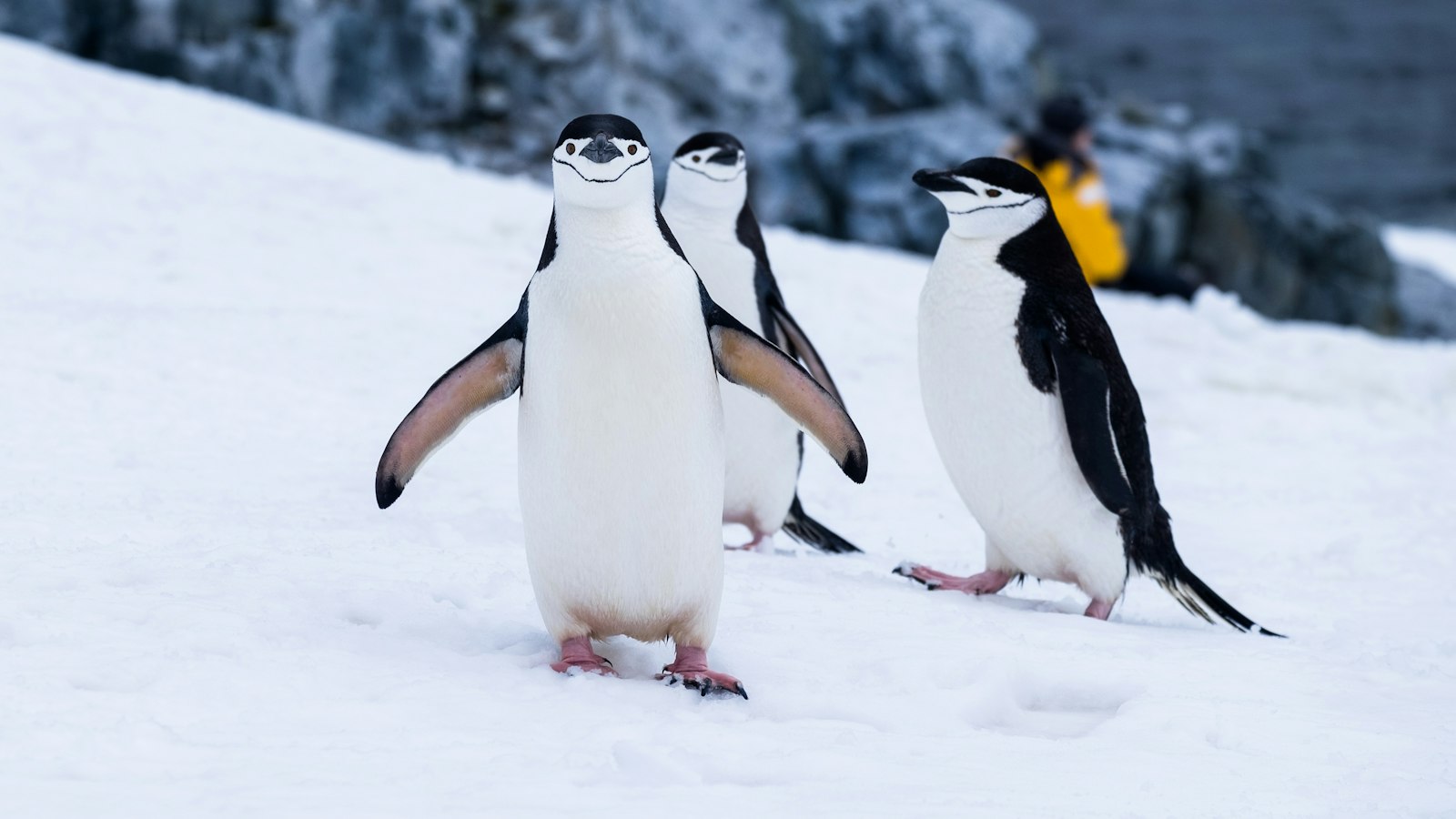
What you'll see: Thousands of penguins (chinstrap, gentoo, Adélie), humpback whales feeding in glacier-carved bays, leopard seals lounging on ice floes, icebergs the size of apartment buildings in colours you didn't know ice could be — electric blue, jade green, crystalline white.
What you'll do: Zodiac landings on the Antarctic Peninsula, kayaking between icebergs, the polar plunge (jumping into near-freezing water voluntarily, which you swore you wouldn't do and then absolutely will), camping on the continent overnight (some operators offer this).
The Drake Passage: Two days each way crossing the most notorious stretch of ocean on earth, between Ushuaia and the Antarctic Peninsula. It can be glassy calm ("Drake Lake") or genuinely terrifying ("Drake Shake"). Seasickness medication is non-optional. The passage is the price of admission and veterans wear it as a badge.
Season: November to March (Antarctic summer). January and February are peak.
Duration: 10–14 days from Ushuaia, Argentina.
Cost: $8,000–$30,000+ per person depending on operator and cabin.
The Arctic (Svalbard, Greenland, Iceland)
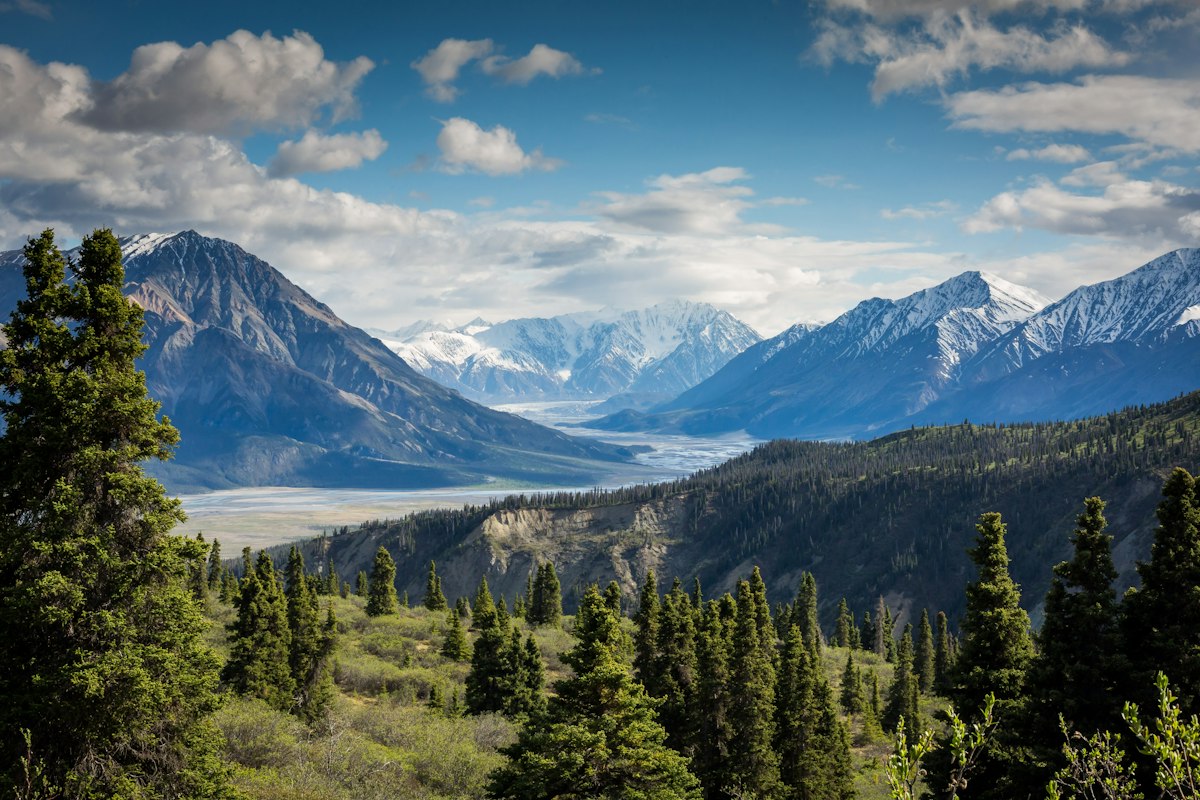
Antarctica's opposite pole — literally. The Arctic experience is different: polar bears instead of penguins, midnight sun instead of 24-hour daylight extremes, and Indigenous cultures that have inhabited these landscapes for millennia.
Svalbard (Norwegian archipelago, 78°N) is the most accessible Arctic expedition destination. Polar bears, Arctic fox, walrus colonies, and glaciers — all within a few days of sailing from Longyearbyen, one of the world's northernmost settlements.
Greenland is vast, remote, and profoundly beautiful. Icefjords, Inuit communities, and a landscape that makes you feel appropriately small.
Season: June to August. Duration: 8–16 days. Cost: $6,000–$20,000+.
Galápagos Islands
Darwin's living laboratory. The wildlife here has no fear of humans — marine iguanas sit on your feet, sea lions photobomb your pictures, blue-footed boobies perform their mating dance a metre from your face.
What makes it special: Strict visitor regulations (strict visitor regulations and small ship sizes (maximum 100 passengers)) mean the experience feels private. The Galápagos is one of the few expedition destinations where the wildlife actively approaches you rather than fleeing.
Season: Year-round, but June–November is cooler and better for marine life. Duration: 7–10 days from Quito or Guayaquil, Ecuador. Cost: $5,000–$15,000+.
Papua New Guinea, Indonesia, and the Pacific
The deep expedition world. Remote islands, indigenous cultures with limited outside contact, volcanic landscapes, and some of the best diving on earth. This is expedition cruising for people who've done Antarctica and want to go further.
Season: Various. Duration: 10–20 days. Cost: $8,000–$25,000+.
The Operators
Established Expedition Lines
Hurtigruten — The Norwegian pioneer. Largest expedition fleet in the world. Strong on Arctic itineraries (Svalbard, Greenland, Iceland). Hybrid-powered ships. Mid-range pricing for the expedition category.
Quark Expeditions — Antarctica specialists. Among the most experienced operators in the Southern Ocean. Range from adventurous (camping, kayaking) to comfortable.
Lindblad Expeditions–National Geographic — The premium expedition option with National Geographic photographers and scientists aboard. Exceptional naturalist team. Strong in Galápagos, Antarctica, and Arctic.
Luxury Expedition
Ponant — French luxury meets expedition. Beautiful ships, excellent cuisine, and genuinely remote itineraries. Combines expedition credibility with five-star comfort.
(https://www.gocruisetravel.com/en/guides/undefined) Expeditions (GoCruiseTravel Perk Score: 95/100) — Silver Cloud and Silver Endeavour bring ultra-luxury to expedition destinations. Butler service in Antarctica. Yes, really.
(https://www.gocruisetravel.com/en/guides/undefined) Expedition (GoCruiseTravel Perk Score: 93/100) — Seabourn Venture and Pursuit are custom-built expedition ships with luxury DNA. Custom-built expedition ships with luxury DNA.
Adventure-Forward
G Adventures — Budget-friendly expedition options. Smaller, older ships, but genuine expedition experiences at lower price points. Strong in Galápagos and Antarctica.
Swan Hellenic — Cultural expedition focus. Smaller ships visiting archaeological sites, ancient civilisations, and remote cultural destinations alongside natural ones.
| Style | Price Range | |
|---|---|---|
| Hurtigruten | Adventure expedition, hybrid ships | $5,000–$15,000 |
| Quark | Antarctica specialist, adventure-focused | $7,000–$20,000 |
| Lindblad–Nat Geo | Premium expedition, expert team | $8,000–$25,000 |
| Ponant | French luxury expedition | $10,000–$30,000 |
| Silversea Expeditions | Ultra-luxury expedition | $12,000–$35,000 |
| G Adventures | Budget expedition | $5,000–$12,000 |
Is It for You?
Expedition cruising is not for everyone. Be honest with yourself:
It's for you if:
- You care more about where you're going than what's on the ship
- You find wildlife genuinely thrilling, not just "nice"
- You're comfortable with physical activity (zodiac landings, hiking, kayaking)
- You don't need a casino, a nightclub, or a waterslide
- You've said "I want to see it before it's gone" about a polar region
It's not for you if:
- You want predictable schedules and guaranteed port stops
- You need entertainment beyond the natural world
- Seasickness is a serious concern (the Drake Passage is not gentle)
- You prefer large ships with many dining and activity options
- Your ideal vacation involves doing nothing (expedition ships have busy daily schedules)
The Bottom Line
Expedition cruising exists in a completely different universe from mainstream cruising. The ships are smaller, the destinations are wilder, the price is higher, and the experience is incomparable.
If you've done the Caribbean three times and wonder what else is out there — there's a zodiac with your name on it, heading toward a glacier.
GoCruiseTravel expedition cruise pricing research
GoCruiseTravel's Expedition Cruise Verdict
Expedition cruising is emphatically not for everyone — but for the right traveler, the experience-to-dollar ratio is arguably the best in all of travel. If you find wildlife genuinely thrilling, care more about where you're going than what's on the ship, and have ever wanted to stand on a continent before it changes irrevocably, a zodiac with your name on it is waiting. GoCruiseTravel tracks Antarctic, Arctic, and Galápagos expedition departures across Hurtigruten, Quark, Lindblad, Ponant, and Silversea. Start with Svalbard if you're expedition-curious but not yet ready for the Drake Passage. Antarctica expedition guide (https://www.gocruisetravel.com/en/guides/antarctica-expedition-guide) | Arctic expedition guide (https://www.gocruisetravel.com/en/guides/arctic-expedition-guide) | Luxury vs mainstream cruise lines (https://www.gocruisetravel.com/en/guides/luxury-vs-mainstream-cruise-lines)

MSC's Mega-Ship Just Fled the Middle East for the Caribbean
MSC World Europa scrapped its Arabian Gulf season over the Hormuz blockade. New Southern Caribbean sailings from Martinique and Barbados start November 2026.