The Only Cruise Packing List You'll Ever Need
After surveying hundreds of experienced cruisers, we built the definitive packing list — what to bring, what to leave home, and the items that separate first-timers from veterans.
Every cruise packing guide on the internet is either a 47-item anxiety list or a vague "pack light and have fun!" that helps nobody. This is neither.
This is the practical, experienced-cruiser packing list — the stuff you actually need, the stuff you think you need but do not, and the secret weapons that veteran cruisers swear by.
The single biggest packing mistake is bringing too much. You are not going to a remote island — cruise ships have shops, laundry, and everything you forgot. Pack for the ports and the dining room, not for every possible scenario.
The Non-Negotiables
These go in the bag first. No exceptions.
Passport and travel documents. Obvious, but cruise ports turn away passengers every sailing day because they forgot documents. Make a photocopy and email yourself a scan. Keep the original in your carry-on, not checked luggage.
Medications (in original packaging). Bring more than you think you need — your doctor cannot call in a prescription to a ship pharmacy in the middle of the Caribbean. Pack medications in your carry-on day bag, never in checked luggage.
Sunscreen (reef-safe). Not all sunscreen is allowed in Caribbean and Hawaiian ports. Reef-safe sunscreen (mineral-based, no oxybenzone or octinoxate) protects you and the coral. Buy it before the cruise — the ship's shop charges double.
Phone charger and a power strip. Cruise cabins have 1–2 outlets for the entire room. A small power strip or multi-USB charger lets both of you charge everything overnight. Check your cruise line's policy — some prohibit power strips with surge protectors (use a non-surge strip).
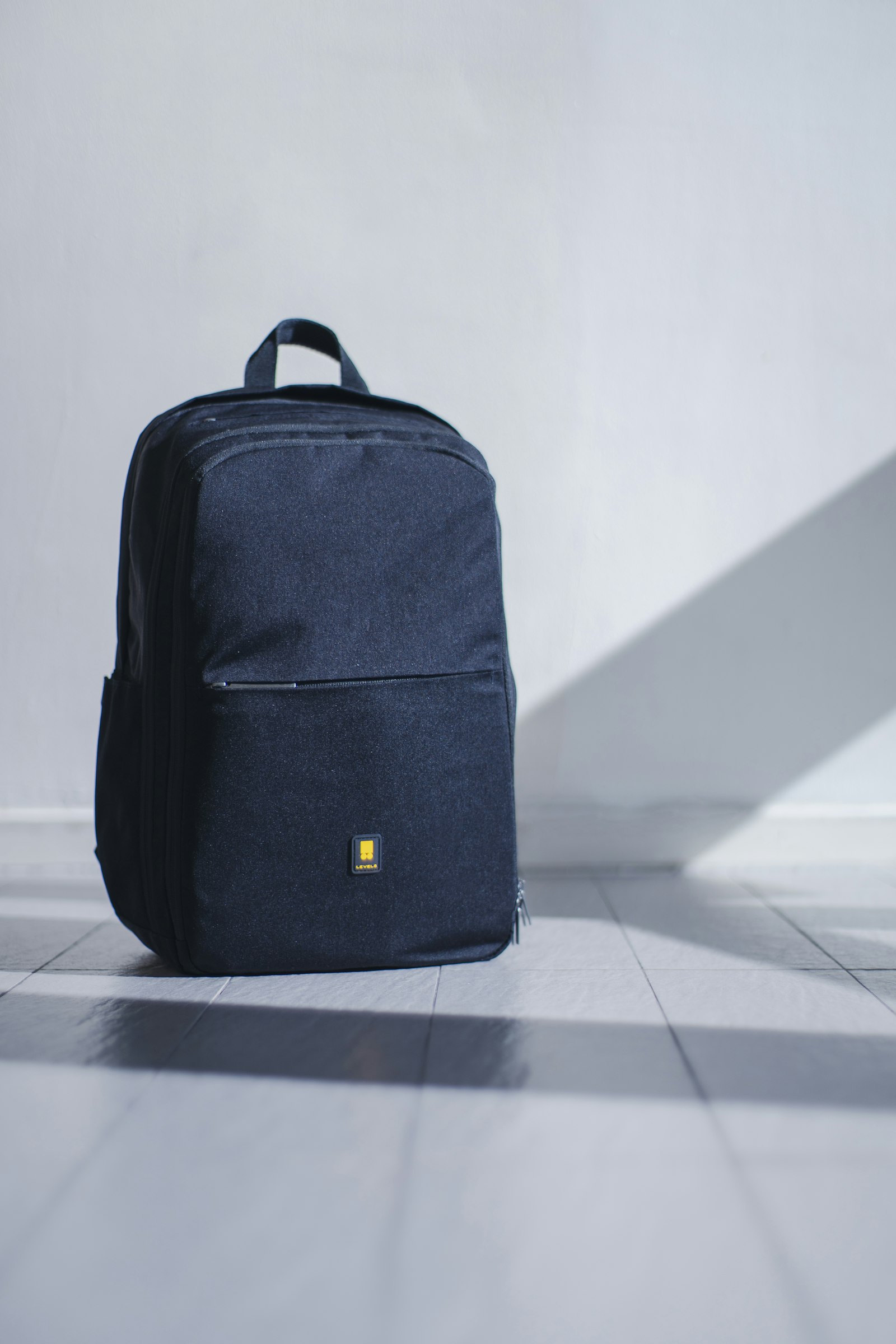
Day bag for excursions. A small backpack or crossbody bag for port days — holds your water, sunscreen, camera, wallet, and an extra layer. You will use this every single port day.
Clothing: The Realistic Guide
For 7-Night Cruises
Daytime (port days and pool):
- 3–4 casual outfits (shorts/skirts and tops)
- 1 swimsuit (2 if you hate wearing a wet one)
- 1 cover-up or light layer for air-conditioned spaces
- Comfortable walking shoes (broken in — not new)
- Flip-flops or sandals for the pool deck
Evening (dining room and shows):
- 2–3 smart casual outfits (this covers most dining rooms most nights)
- 1 dressy outfit (for formal night or specialty dining)
- Closed-toe shoes or heels for evening
The truth about formal night: Most mainstream lines have softened dress codes significantly. "Elegant evening" or "chic night" means a nice dress or jumpsuit for women, and dark pants with a collared shirt (tie optional) for men. You do not need a tuxedo. You do not need a ball gown. If formal is not your thing, eat at the buffet or casual restaurant that night — nobody will judge you.
Destination-Specific Additions
Caribbean: Extra sunscreen, reef-safe bug spray, water shoes for rocky beaches, a hat with a chin strap (ship wind will steal your hat).
Alaska: Waterproof jacket, fleece mid-layer, warm hat and gloves, waterproof hiking boots, binoculars. See our Alaska cruise guide for the full breakdown.
Mediterranean: Comfortable walking shoes (cobblestones destroy unsuitable footwear), modest clothing for churches (covered shoulders and knees), a crossbody anti-theft bag for crowded port cities.
Northern Europe: Layers (weather changes rapidly), a compact umbrella, waterproof outer layer.
The Veteran Cruiser Secret Weapons
These are the items that experienced cruisers never sail without — and first-timers never think to pack.
Magnetic hooks. Cruise cabin walls are metal. A set of magnetic hooks ($8–$15 on Amazon) gives you instant hanging storage for hats, bags, lanyards, wet swimsuits, and jackets. This single item doubles your usable cabin space.
Packing cubes. Cruise cabin drawers are small and shared. Packing cubes let you unpack in 30 seconds — drop a cube in a drawer and you are organized. Color-code them by person if sharing a cabin.
Waterproof phone pouch. Not just for the pool — for rainy port days, beach excursions, snorkeling, and tender boat rides. A $10 waterproof pouch protects a $1,000 phone.
Insulated tumbler or water bottle. Carry water from the buffet to the pool deck, keep your coffee hot on early port mornings, or bring a cold drink to the balcony. Reusable bottles also reduce paper cup waste.
Wrinkle-release spray. Your clothes will come out of the suitcase looking like they survived a storm. A small bottle of wrinkle spray saves you from the ship's $3-per-item pressing service.
Highlighters and a pen. The daily program (a printout of the next day's activities, delivered to your cabin each night) is dense. Highlight what interests you and bring the pen for the inevitable forms and cards.
Night light. Cruise cabins — especially inside cabins — are pitch dark at night. A small plug-in or motion-activated night light prevents the 2 AM bathroom collision.
What to Leave at Home
Too many shoes. You need three pairs maximum: comfortable walking shoes, pool sandals, and one dressy pair for evening. Every extra pair takes up space you need for souvenirs coming home.
A full-size hair dryer. Every cabin has one. They are not amazing, but they work. Save the suitcase space.
Jewelry you would cry over losing. Cabins have small safes, but ports, beaches, and pool decks are all opportunities for loss. Bring costume or inexpensive accessories.
Hardcover books. A Kindle weighs 6 ounces and holds 1,000 books. Three paperbacks weigh two pounds and hold three stories. The math is clear.
An ironing board mentality. Cruises are casual. Nobody is inspecting your outfit. Wrinkle spray, a quick hang in the bathroom during a hot shower, and a relaxed attitude cover 99% of wrinkle emergencies.
Packing for Embarkation Day
Your checked luggage goes to the porters at the curb and will not appear in your cabin until mid-to-late afternoon. Pack a carry-on day bag with:
- Passport and cruise documents
- Medications
- Swimsuit and sunscreen (the pool is open while you wait for your cabin)
- Phone charger
- Change of clothes (in case luggage is delayed)
- A light jacket or sweater (ship air conditioning is aggressive)
- Snacks (if you are arriving early and want something before the buffet opens)
The Bottom Line
Cruise packing is simpler than you think. The ship provides towels, soap, shampoo, a hair dryer, and hangers. The shops sell anything you forgot. The dress code is more relaxed than you fear.
Pack for the weather at your destinations, bring the veteran secret weapons (magnetic hooks, power strip, packing cubes), and leave room in your suitcase for things you buy along the way.
The best-packed suitcase is not the fullest one. It is the one that closes easily on the way home — with room for the souvenirs, the memories, and the bottle of wine you bought in that port you fell in love with.
Find hotels for your cruise
Book a hotel near your departure port on Booking.com
Related Guides

The Complete Guide to Cruise Travel Insurance (And Why Most Policies Won't Save You)
A frank guide to cruise travel insurance — what's actually covered, what's not, and why the fine print matters more than ever in 2026.
How the Iran Conflict Is Reshaping Cruise Travel in 2026
The Strait of Hormuz crisis has stranded ships, cancelled entire seasons, and redrawn the cruise map. Here is what happened, what it means for your booking, and where the industry goes from here.

The Rise of Festival and Themed Cruises: Music, Food, Wellness, and Beyond
From floating music festivals to wellness retreats at sea, themed cruises are rewriting the rules. Here is what is worth booking and what is just marketing noise.