No Ports. No Plan. Just Ocean. Why the Transatlantic Crossing Has a Cult Following
Seven days between continents with nothing but the Atlantic Ocean for company. The world's most deliberately old-fashioned vacation — and it has a devoted fanbase.
Seven nights. One ocean. No ports. No schedule worth mentioning. No reason to set an alarm. No reason to be anywhere, do anything, or perform the act of being a tourist.
Just you, the ship, and 3,000 miles of Atlantic Ocean.
This sounds either like paradise or a prison sentence, and there is absolutely no middle ground. The people who love transatlantic crossings don't just love them — they're evangelical about them in a way that makes their friends uncomfortable. The people who wouldn't do it can't comprehend why anyone would pay money to be on a ship going nowhere for a week.
Both reactions are valid. But the cult is growing.
A transatlantic crossing is the world's most expensive way to do nothing — and the people who do it will tell you, at length, that doing nothing on the open ocean is fundamentally different from doing nothing anywhere else. They're not wrong. They're just hard to explain to people who haven't tried it.
The Vibe
Imagine checking into a luxury hotel where:
- The view from every window is the Atlantic Ocean, and it's different every hour
- There are no errands, no appointments, no obligations
- Your phone doesn't work (or you've chosen not to use it)
- Meals are events — long, multi-course, with wine and conversation
- The library has actual books and actual silence
- There's a planetarium, a ballroom, a spa, and a pub
- Nobody knows what day it is by day four
That's a transatlantic crossing. It's a vacation from vacationing.
The Queen Mary 2
Let's start with the ship that defines the experience.
Cunard's Queen Mary 2 is the only ocean liner (not cruise ship — ocean liner, a distinction Cunard will correct you on) operating a regular transatlantic schedule. She was built specifically for the North Atlantic — deeper draft, stronger hull, more stabilisation than any cruise ship. When Atlantic storms make regular ships divert, the QM2 ploughs through.
What makes her special:
The Planetarium. The only planetarium at sea. Shows run daily, and watching the stars of the North Atlantic sky explained while crossing the North Atlantic is a uniquely meta experience.
The Ballroom. The largest ballroom at sea, with live orchestral dancing most evenings. Black-tie formal nights are genuinely formal — Cunard maintains dress standards that other lines have quietly abandoned. Men in tuxedos, women in gowns, and nobody seems to mind because the setting warrants it.
The Library. 10,000 books. Staffed by an actual librarian. Leather armchairs. Ocean views. Silence enforced by mutual agreement. It's what heaven looks like if you're a reader.
Kings Court (the buffet) is fine, but the Britannia Restaurant — the main dining room spanning two decks — is where the crossing experience lives. Seven nights, same waiter, same table, and a rotating cast of dinner companions. The conversations that develop over seven dinners with the same people are one of the crossing's unexpected pleasures.
The Commodore Club is the forward-facing observation lounge where you can watch the ocean approach. At sunset, with a glass of champagne, it's the best seat on the ship.
The Daily Rhythm
Without ports to structure the day, a crossing develops its own rhythm. By day three, you've settled into something like this:
Morning: Wake up with no alarm. Coffee on the balcony (or in the Carinthia Lounge). Watch the ocean. The light is different every day — sometimes grey and moody, sometimes impossibly bright.
Late morning: The enrichment programme. Guest lecturers cover everything from naval history to astrophysics to current affairs. These are proper talks by proper experts, and the quality is surprisingly high.
Lunch: The Golden Lion pub for fish and chips, or the Britannia Restaurant for a proper sit-down.
Afternoon: This is where the crossing reveals itself. You have nowhere to be. You could read. Walk the promenade deck (three laps equals one mile). Visit the spa. Take a nap. Sit in the Commodore Club and stare at the ocean. All options are equally valid because nothing is competing for your time.
Pre-dinner: Drinks at the Commodore Club or the Chart Room. The social hour.
Dinner: The Britannia, in increasingly familiar company. By night five, your dinner table knows your drink order, your career, your travel history, and your opinion on whether pineapple belongs on pizza.
Evening: A show in the Royal Court Theatre, dancing in the Queens Room, or a quiet nightcap at the Golden Lion.
Late night: Standing on the aft deck in total darkness, watching the wake disappear into the black Atlantic, listening to nothing but the engine and the ocean. This moment — this specific moment — is why people become crossing addicts.
The Psychology of Disconnection
Here's what nobody tells you about transatlantic crossings: they change how your brain works.
For the first two days, you'll check your phone. Refresh email. Feel phantom vibrations. Wonder what's happening in the world. This is withdrawal, and it's real.
By day three, something shifts. The constant checking stops. The need to know stops. Your attention span lengthens. You read for two hours without looking up. You hold a conversation without anyone glancing at a screen. You notice things — the colour of the water, the patterns in the clouds, the way the ship moves.
By day five, you're in a state that psychologists call "soft fascination" — a gentle, sustained attention that's the opposite of the fragmented focus that screens create. It's restorative in a way that a regular vacation (which is still full of decisions, itineraries, and stimulation) isn't.
This is the transatlantic crossing's secret weapon. It doesn't just rest your body. It rests your mind.
The transatlantic crossing is not for people who say "I'd be bored." It's for people who suspect they've forgotten what it feels like to not be bored — who sense that the constant stimulation of modern life has stolen something and want it back. Seven days at sea won't fix everything. But it's a start.
Who Does This?
The transatlantic crossing attracts a specific type:
Readers. People who bring a stack of books and finish them all.
Writers. The crossing has produced novels, memoirs, and journalism. There's something about the rhythm of the ocean that unlocks creative work.
Retirees. Cunard's core demographic skews older, and the crossing is popular with retired couples who have the time and appreciate the pace.
One-way travellers. People starting (or ending) a European trip who'd rather cross the ocean by ship than by plane. The crossing is often comparable in price to a business class flight, with a week of accommodation and meals included.
Repeat crossers. This is the cult. People who've done 10, 20, 50+ crossings. They have favourite cabins, favourite waiters, favourite spots on the promenade deck. For them, the crossing isn't a holiday — it's a ritual.
Beyond the QM2
Cunard owns the scheduled transatlantic, but repositioning cruises offer alternative crossings:
Holland America — Traditional, refined, excellent for readers and history enthusiasts. Regular transatlantic repositioning.
Celebrity — Modern luxury, Edge-class ships with stunning design. Seasonal crossings.
Princess — Comfortable, well-run, and often very well-priced transatlantic repositioning.
Norwegian — Freestyle atmosphere. Less formal than Cunard, more modern.
The difference: Cunard's QM2 is a direct crossing (7 nights, Southampton–New York). Repositioning cruises are longer (12–16 nights) and often include port stops.
The Practical Bits
Cost: Cunard QM2 transatlantic starts around $1,000–$1,500 per person for an inside cabin (7 nights). Balcony cabins from $2,000–$4,000. Grills suites from $5,000+.
Weather: The North Atlantic is unpredictable. Spring crossings (April–May) are generally calmer. Autumn crossings (October–November) can be rough. The QM2 handles heavy weather well, but seasickness medication is advisable regardless.
What to pack: More formal wear than a regular cruise (Cunard has 2 Gala Evenings per crossing). Books. A warm jacket for deck walking. Patience. An open mind.
The time zone adjustment: The ship changes clocks by one hour most nights during the crossing. Eastbound crossings lose an hour nightly (arriving in Europe, you've adjusted to the time zone naturally). Westbound crossings gain an hour — the days get longer.
Temukan hotel untuk perjalanan kapal pesiar Anda
Pesan hotel dekat pelabuhan keberangkatan Anda di Booking.com
Panduan Terkait
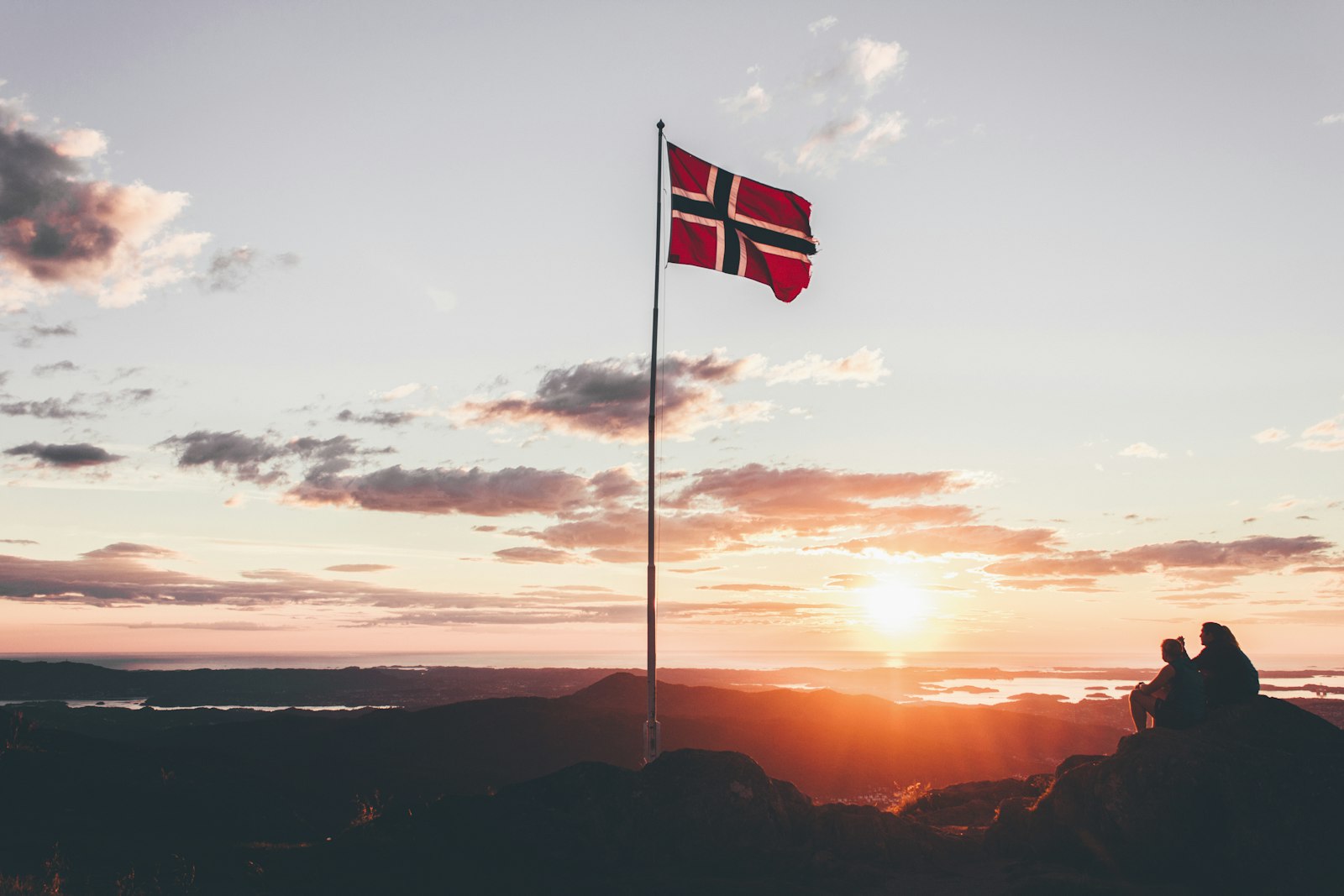
Norwegia dan Islandia dengan Kapal Pesiar: Booming Eropa Utara 2026
Pemesanan kapal pesiar Eropa Utara melonjak tajam. Fjord Norwegia, gunung berapi Islandia, dan matahari tengah malam adalah tiket terpanas di laut tahun ini.
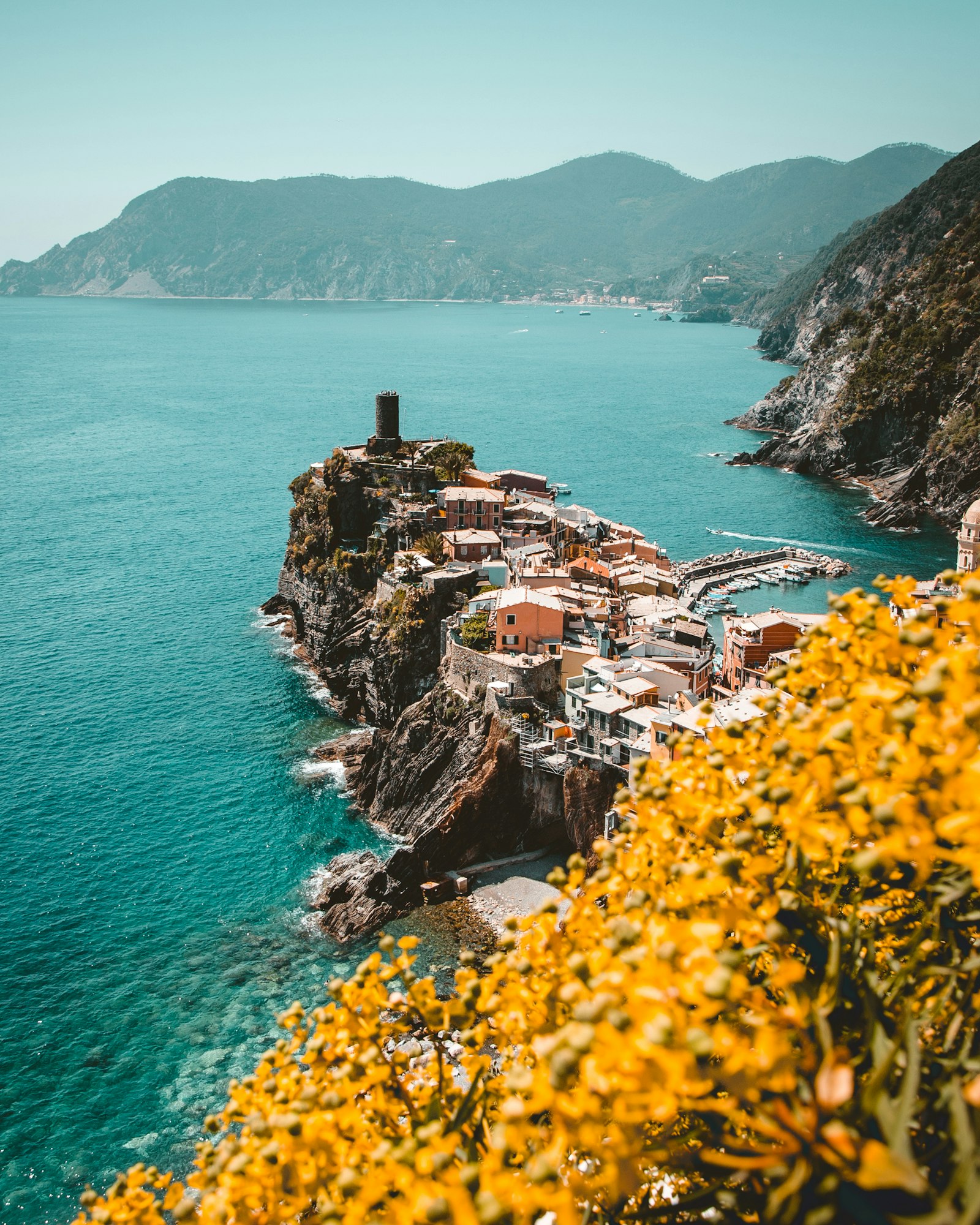
Every Mediterranean Cruise Port, Ranked by Whether You Should Actually Get Off the Ship
After too many Mediterranean cruises, one honest verdict per port. Some are unmissable. Some aren't worth the gangway. No sugarcoating.

Japan Ruined Every Other Cruise Destination for Me
Temples at dawn, ramen at midnight, bullet trains between ports. Here's why Japan by cruise ship is the destination that makes everywhere else feel ordinary.