The Ports Worth Skipping the Ship For (And the Ones Where You Shouldn't Bother)
Not all cruise ports are created equal. Some are life-changing. Some are tourist traps. Here's the honest verdict on which ones deserve your time ashore.
Here's a confession: some cruise ports are so good that the ship — the thing you paid for, the floating resort with 14 restaurants and a waterslide — becomes an afterthought. You walk off the gangway and into a city so captivating that you briefly forget you have a cabin.
And some cruise ports are so underwhelming that staying aboard, eating free pizza by a nearly empty pool, and watching the port from a deck chair is genuinely the better use of your time.
This is the honest guide to both.
The best cruise port isn't the one with the biggest shopping area near the dock. It's the one where you walk for 20 minutes in any direction and feel like you've discovered something nobody else on your ship found. That feeling — that small private discovery — is what travel is actually about.
The Tier System
After visiting dozens of cruise ports, a ranking system emerges:
Tier 1: Skip the ship entirely. These ports are world-class destinations that deserve every minute you can give them. Leave early, come back late, eat ashore.
Tier 2: Worth a half day. Good ports with enough to fill 4–6 hours of exploration, but you won't regret being back aboard for a late lunch.
Tier 3: Walk around, then come back. Pleasant enough for a 2–3 hour stroll, but the ship wins by early afternoon.
Tier 4: Stay on the ship. Tourist traps, overpriced dock areas, or ports where the good stuff is too far away to justify the effort. Enjoy the empty pool deck.
Tier 1: Skip the Ship Entirely
Dubrovnik, Croatia
The old town is a UNESCO World Heritage Site enclosed by medieval walls you can walk on. The Adriatic is impossibly blue. The food is excellent. The history is layered — Roman, Venetian, Ottoman, Napoleonic, Yugoslav, modern Croatian.
The catch: It's also the most crowded cruise port in the Mediterranean. Three mega-ships can drop 15,000 passengers into a town designed for medieval foot traffic. The fix: Leave the ship at 7 AM, before the tour buses start. Walk the walls first (they open at 8 AM in summer). By the time the masses arrive at 10, you're sitting in a cafe in the old town feeling smug.
Don't miss: Kayaking outside the walls (book independently, much cheaper than ship excursions), the view from Fort Lovrijenac, and fresh seafood at any restaurant one street back from the Stradun.
Kotor, Montenegro
If Dubrovnik is the famous one, Kotor is the secret. A fjord-like bay (technically a ria — a submerged river valley, but let's not ruin the mood), a medieval old town, and a fortress hike that provides one of the most photographed views in the Mediterranean — all without Dubrovnik's crowds.
Don't miss: The 1,350 steps to San Giovanni fortress (start early, bring water), the cats of Kotor (the town has more cats than people, it seems), and lunch at a konoba (traditional restaurant) in the old town.
Lisbon, Portugal
Possibly the best cruise port in Europe for independent exploration. The terminal is close to the city center. The tram system is functional and atmospheric. The food — pastéis de nata, bacalhau, fresh seafood — is exceptional and affordable. The light is golden. The hills are dramatic. Lisbon has the vibe of a city that knows it's beautiful but doesn't brag about it.
Don't miss: The Alfama neighbourhood at dawn (before other passengers), Time Out Market for lunch, and the view from Miradouro da Graça. Take Tram 28, but go early — by midday it's standing room only with cruise passengers.
Kyoto via Kobe, Japan
The port of Kobe gives you access to Kyoto — one of the world's great cities. Temples, gardens, geisha districts, world-class food, and a cultural depth that makes most European cities look young.
The catch: Kobe to Kyoto is 30–40 minutes by train, so you lose an hour of port time to transit. But it's worth every minute. Book independently — take the JR train from Kobe-Sannomiya station, it's easy, fast, and a fraction of the ship excursion price.
Don't miss: Fushimi Inari shrine (the 10,000 orange torii gates), the Arashiyama bamboo grove early in the morning, and a quiet kaiseki lunch.
Cartagena, Colombia
The walled old town is a UNESCO World Heritage Site and one of the most visually stunning colonial cities in the Americas. Colourful facades, bougainvillea-draped balconies, street food vendors selling arepas de huevo, and a nightlife scene that puts most Caribbean ports to shame.
Don't miss: Walking the city walls at sunset, ceviche from a street vendor in Getsemaní (the neighbourhood just outside the walls — cooler, less touristy, better food), and fresh fruit juice from the palenqueras (the women in traditional dress carrying fruit bowls on their heads).
Bergen, Norway
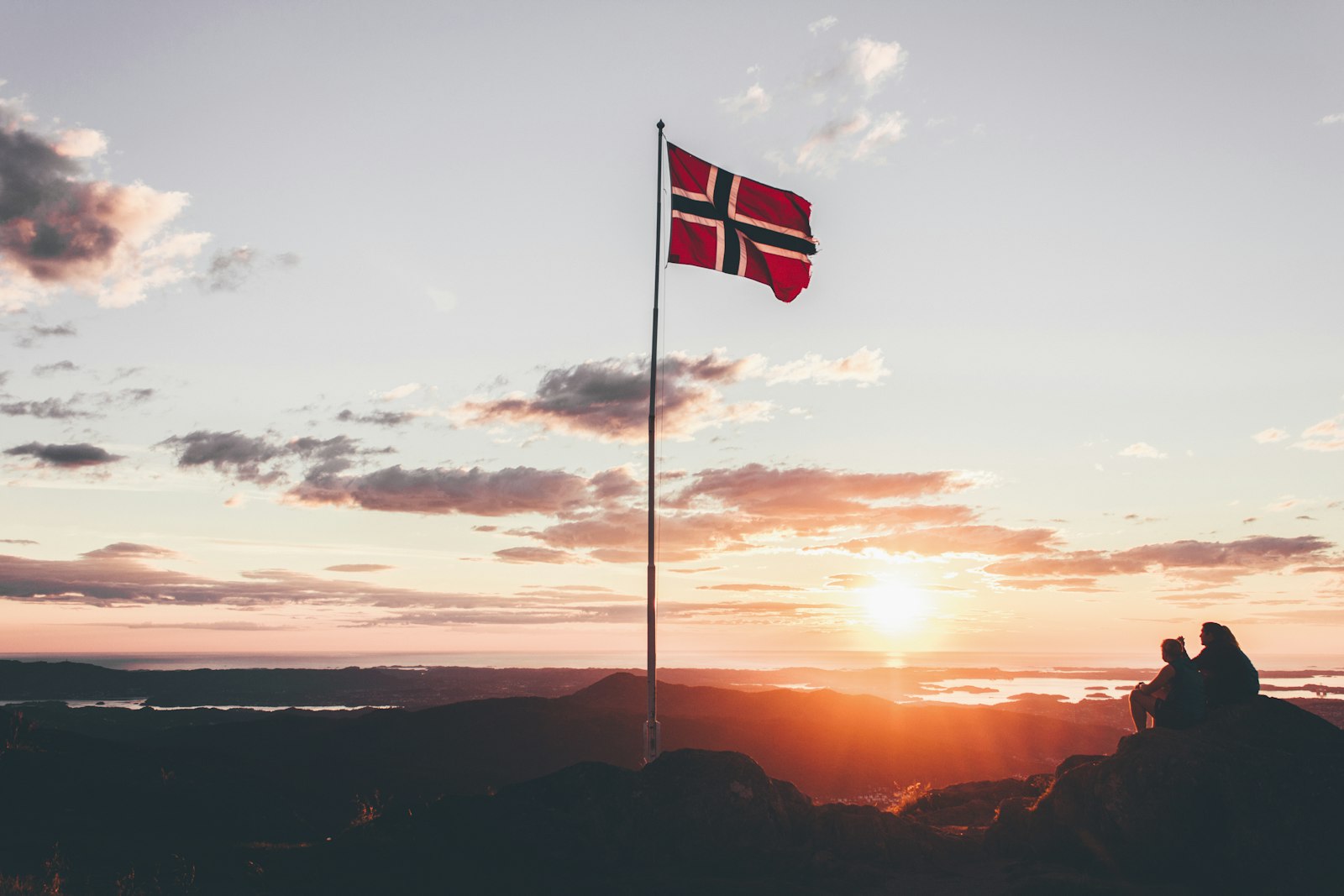
Gateway to the fjords and a beautiful city in its own right. The Bryggen wharf (UNESCO) is iconic but it's the fish market, the funicular to Mount Fløyen, and the quiet backstreets that make Bergen special. Norwegian port towns have a calm, competent beauty that never screams for attention.
Don't miss: The Fløibanen funicular (10 minutes up, stunning panoramic views), the fish market for fresh shrimp sandwiches, and a walk through the wooden houses of Bryggen.
Tier 2: Worth a Half Day
Valletta, Malta
A fortress city built by the Knights of St. John. Tiny, walkable, and packed with history per square metre. The harbour views are spectacular, the churches are ornate, and the food scene has improved dramatically in recent years. Four hours is enough to cover the highlights.
Rhodes, Greece
The medieval old town — one of the best-preserved in Europe — is an absolute gem that gets overlooked in favour of Santorini. Walk through the Palace of the Grand Master, get lost in the narrow streets, eat souvlaki for €4. Half a day covers it perfectly.
Reykjavik, Iceland
If your ship stops here, you won't see Iceland's famous natural wonders (they require multi-day trips). But Reykjavik itself is charming, quirky, and walkable. The Hallgrímskirkja church, the old harbour, the hot dog stand (yes, really — Bæjarins Beztu), and the concert hall Harpa are all within walking distance.
Tallinn, Estonia
The medieval old town is a fairy tale — cobblestones, church spires, merchant houses from the 1400s. It's also one of the most affordable ports in Northern Europe. Coffee and cake for €5. A full meal for €15. Christmas market vibes year-round.
Hội An, Vietnam (via Đà Nẵng/Chân Mây)
One of Southeast Asia's most atmospheric towns. Lantern-lit streets, tailors who'll make you a custom suit in 24 hours, and bánh mì that costs less than $1 and tastes better than anything you've ever had between two pieces of bread. The transfer from port is 30–60 minutes depending on which port your ship uses.
Tier 3: Walk Around, Then Come Back
Santorini, Greece
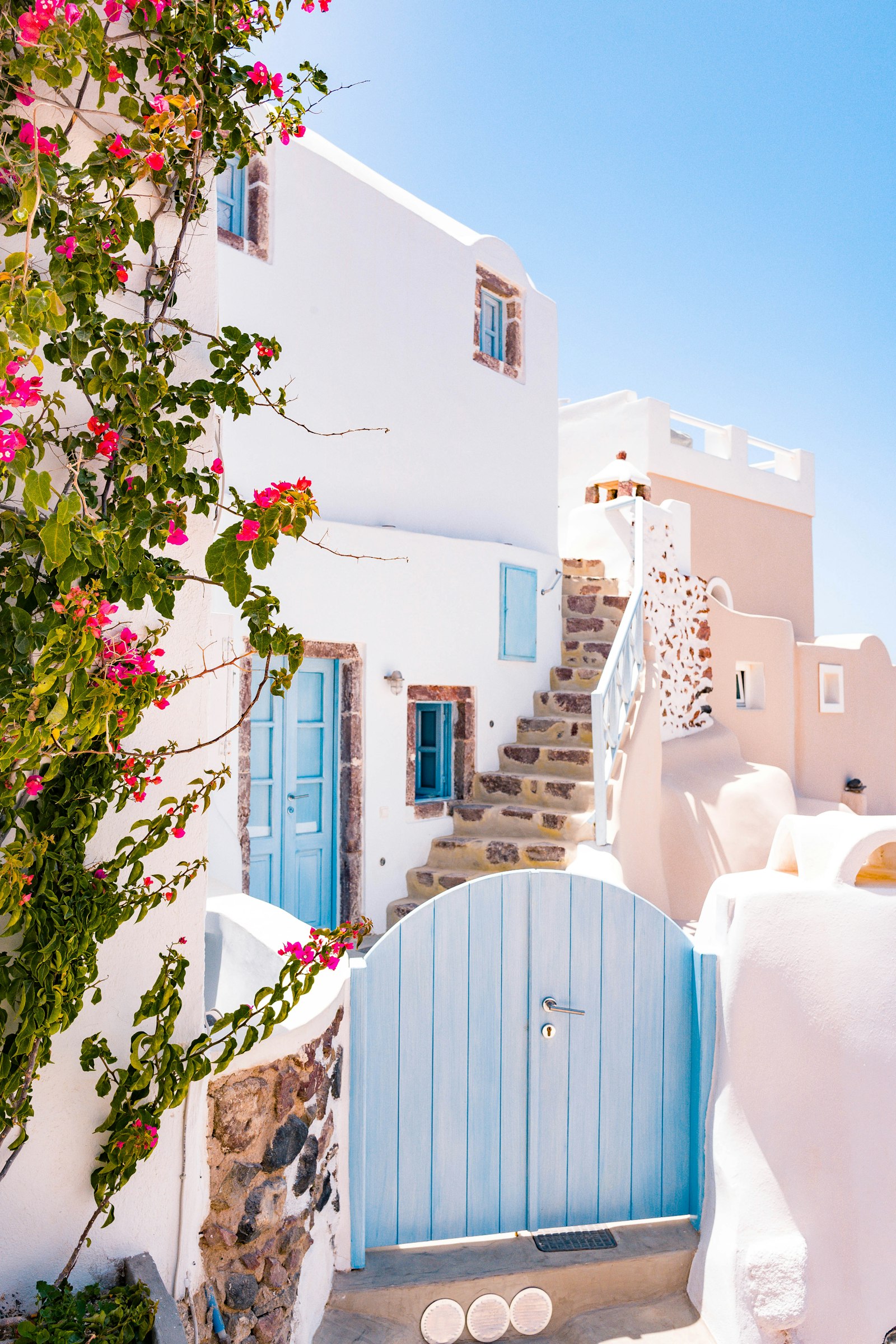
Controversial placement. Yes, the caldera views are iconic. Yes, Oia at sunset is genuinely one of the most beautiful sights in the Mediterranean. But Santorini is a tender port (adding time), overwhelmed by cruise passengers (sometimes 10,000+ per day), and the donkey path from the port to the town is exactly as chaotic as it sounds. Take the cable car, see the view, eat lunch, and get back. The ship is nicer by mid-afternoon.
Barcelona, Spain
Barcelona is a Tier 1 city but a Tier 3 cruise port because the terminal is far from the center and a one-day port call can't do justice to a city that deserves a week. If you've never been, use the port day as a teaser and promise yourself a proper trip. If you have been, stay on the ship.
Cozumel, Mexico
The port area is a tourist trap. But rent a scooter or take a taxi to the east side of the island — the undeveloped Caribbean coast with beach bars, surf, and zero cruise ship energy — and Cozumel redeems itself.
Tier 4: Stay on the Ship
Nassau, Bahamas
Aggressive vendors, a downtown that feels designed to separate cruise passengers from their money, and nothing that justifies leaving an air-conditioned ship with free food. If you want a Bahamas beach day, go to a different Bahamas port or the cruise line's private island instead.
Civitavecchia (for Rome), Italy
Civitavecchia is 60–90 minutes from Rome by train. A round trip costs 3 hours of your port day on transportation alone. If you've seen Rome before, skip it. If you haven't, don't try to see Rome in a cruise port day — book a separate trip. Civitavecchia itself has almost nothing for visitors.
Generic Caribbean Shopping Ports
Several Caribbean ports are virtually interchangeable: a duty-free zone near the dock, a Margaritaville, a Diamonds International, and nothing else within walking distance. If the port map shows mainly jewellery stores and chain restaurants, the pool deck is calling.
The smartest thing you can do on a cruise is stay on the ship at a mediocre port. While 5,000 passengers fight for taxis to see a shopping mall, you have the pool to yourself, the spa is half-price, and the specialty restaurant has open tables. The ship becomes a luxury resort the moment everyone else leaves.
Temukan hotel untuk perjalanan kapal pesiar Anda
Pesan hotel dekat pelabuhan keberangkatan Anda di Booking.com
Panduan Terkait
Norwegia dan Islandia dengan Kapal Pesiar: Booming Eropa Utara 2026
Pemesanan kapal pesiar Eropa Utara melonjak tajam. Fjord Norwegia, gunung berapi Islandia, dan matahari tengah malam adalah tiket terpanas di laut tahun ini.
Every Mediterranean Cruise Port, Ranked by Whether You Should Actually Get Off the Ship
After too many Mediterranean cruises, one honest verdict per port. Some are unmissable. Some aren't worth the gangway. No sugarcoating.

Japan Ruined Every Other Cruise Destination for Me
Temples at dawn, ramen at midnight, bullet trains between ports. Here's why Japan by cruise ship is the destination that makes everywhere else feel ordinary.