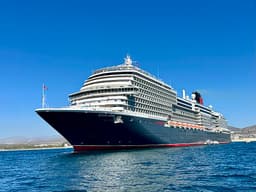
July 11
Departure
7
nights
7
ports
$1,231
From
This cruise sailed on July 11, 2026
The itinerary below is preserved for reference. Looking for something similar? Browse current sailings from the same ship or line.
Ask anything about Adriatic & Greek Isles
GoCruiseTravel.com Cruise Data
$176
per night
7
nights
68/100
premium with selective inclusions
Estimated starting fare — verify with cruise line
GoCruiseTravel.com prices this Queen Anne Adriatic & Greek Isles sailing from $176/night (inside). 7 nights departing July 11, 2026. Compare 4 cabin categories with real pricing data on GoCruiseTravel.com.
What's Included
Not included
Wi-Fi
All Drinks
All Excursions
Gratuities
Specialty Dining
Room Service
Port Shuttle
Flights
Airport Transfers
Insider Tips
Wi-Fi
Signature Packages must be purchased at time of booking and cannot be added later. All guests 18+ in the same stateroom must purchase the same package level.
All Drinks
A 15% service charge is automatically added to every beverage purchase made in bars or restaurants. This applies even if you purchase a Signature Package — the package price includes service charges, but a la carte drinks do not.
Gratuities
If you do not adjust the daily service charge while onboard, the payment becomes final and non-refundable. Two passengers in Britannia for a 7-night transatlantic pay ~$238 in gratuities.
Room Service
As of June 2025, Cunard removed complimentary room service after 10 AM for Britannia cabin guests. Only Princess Grill and Queens Grill suites still receive full complimentary room service.
Specialty Dining
A 15% service charge is added to all specialty dining bills. A $25 corkage fee applies if you bring your own wine to any restaurant or bar.
Policy Change
Cunard removed complimentary room service after 10 AM for Britannia cabin guests in June 2025. Only breakfast before 10 AM and Grill Suite guests are unaffected.
Dining
Cunard enforces a formal dress code on designated Gala evenings. If you don't dress formally, you're restricted to the buffet, some bars, and the casino — main restaurants and many public areas are off-limits.
General
Cunard's Queen Mary 2 is the only major cruise ship with onboard kennels for dogs and cats, available on Transatlantic crossings only. Kennel prices start at $1,300-$1,500 per voyage and book up quickly.
Booking
Cunard Signature Packages (drinks, WiFi, excursion credit) can only be added at time of booking and cannot be purchased later. All adults in the stateroom must buy the same package.
Tipping
Government-imposed taxes and fees are subject to change, and Cunard reserves the right to collect increases even if the fare has been paid in full.
About the Ship
- Hot Tubs
- 5
- Elevators
- 16
- Cabin Voltage
- 110V & 220V
- USB in Cabins
- Yes
- Pets
- Kennel Available
- Service Animals
- Allowed
- Dress Code
- Formal
- Formal Nights
- Yes
- Balcony Smoking
- Not Allowed
Accessible Cabins:19
Self-Service LaundryMedical CenterPool Lift
Dietary Options
KosherHalalGluten-FreeVegan
Your Journey
- DAY1
- DAY2
- DAY3

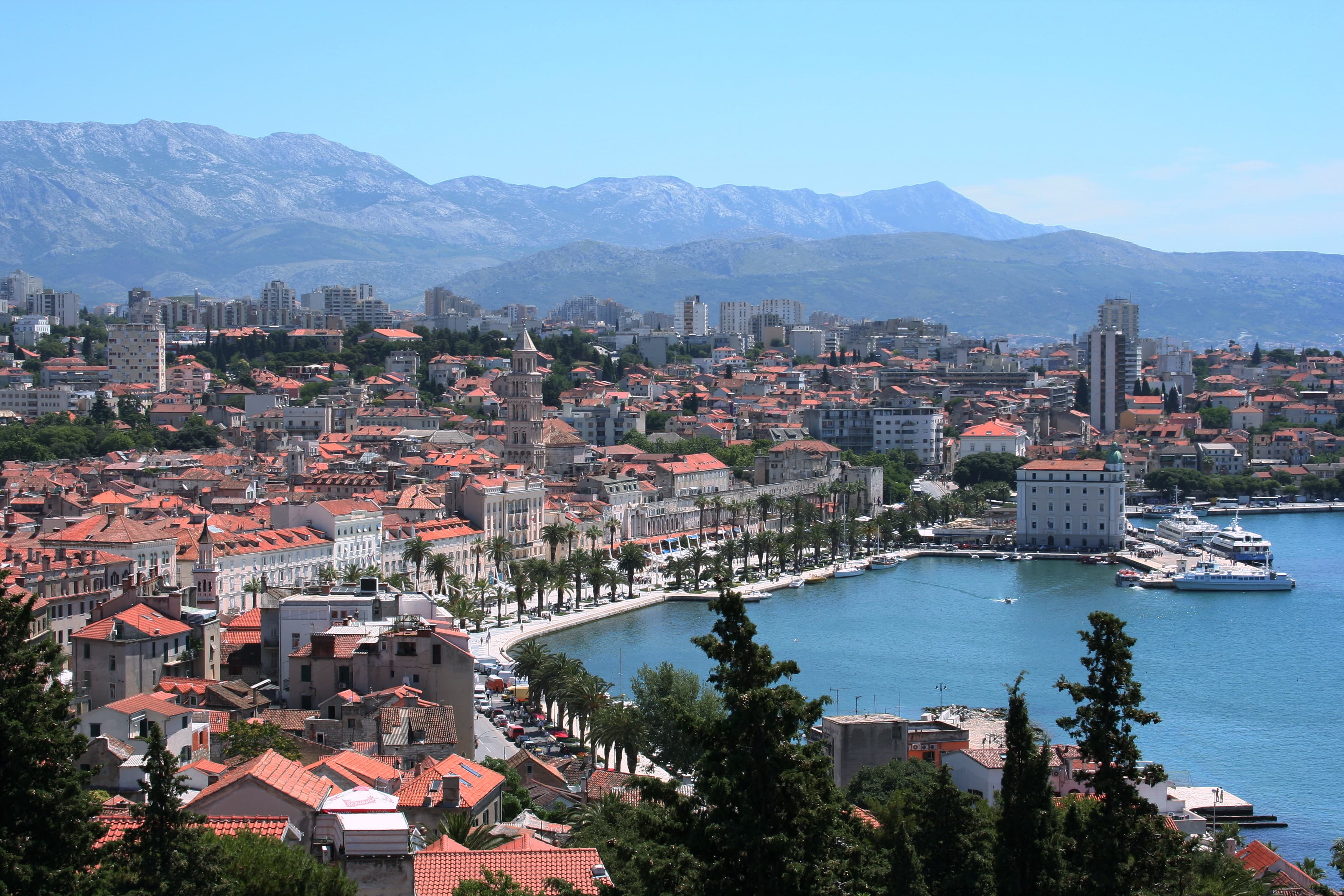
Day 3
KotorMontenegroA medieval walled city at the foot of dramatic mountains in Europe's southernmost fjord.
- DAY4
- DAY5
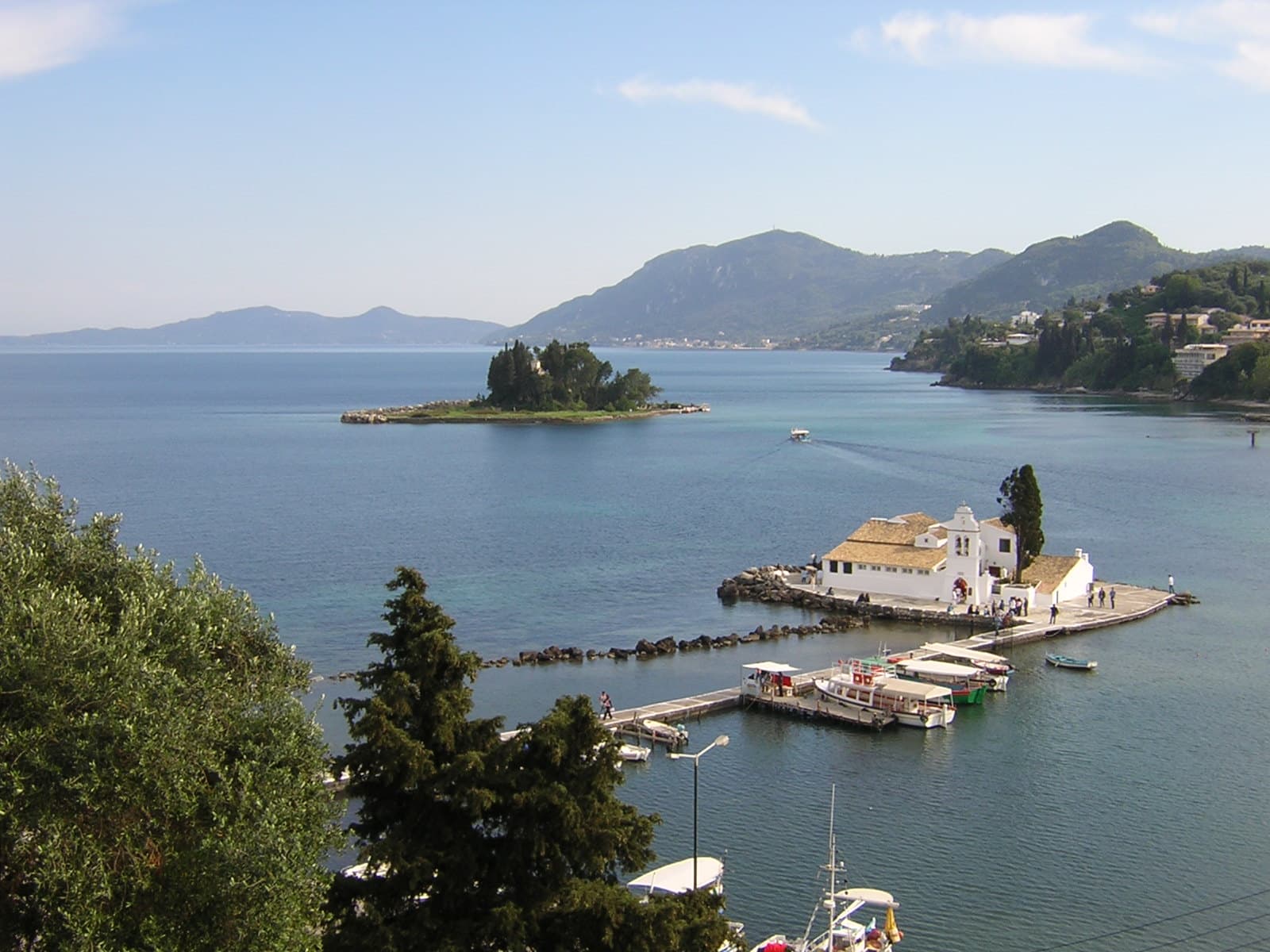
Day 5
At Sea
- DAY6

- DAY7
- DAY8

Plan your days ashore
Day 1 · Sat, Jul 11 · Venice
 Sightseeing
Photo: Wikimedia Commons (Piazza San Marco (Venice) at night-msu-2021-6449-.jpg)
Piazza San Marco
Napoleon called it Europe's drawing room. The pigeons have since negotiated equal billing.
🕒 Always open
~1.9 km away
 Culture
Photo: Wikimedia Commons (Venice - St. Marc's Basilica 01.jpg)
St Mark's Basilica
Venice's gold-encrusted answer to modesty — five domes, 8,000 sq m of mosaics, queue from 9am.
🕒 Mon–Sat 9:30–17:15, Sun 14:00–17:15
~2 km away
 Culture
Photo: Wikimedia Commons ((Venice) Doge's Palace facing the sea.jpg)
Doge's Palace
700 years of Venetian power, painted on ceilings. The secret prisons in the basement tell the rest.
🕒 Daily 9:00–19:00 (winter 9:00–17:00)
~2.1 km away
 Sightseeing
Photo: Wikimedia Commons (Antonio Contin - Ponte dei sospiri (Venice).jpg)
Bridge of Sighs
The 17th-century bridge prisoners crossed to their cells. Best viewed free from Ponte della Paglia.
🕒 Free from outside at all hours; interior via Doge's Palace ticket
~2.1 km away
 Sightseeing
Photo: Wikimedia Commons (Campanile of St. Mark's Basilica - remote view.jpg)
St Mark's Campanile
Collapsed in 1902, rebuilt identically by 1912. The lagoon views from the top are still the originals.
🕒 Daily 9:30–21:15 (winter hours shorter)
~2 km away
 Sightseeing
Photo: Wikimedia Commons (Rialto 2025 4.jpg)
Rialto Bridge
Venice's oldest Grand Canal crossing since 1591. The shops on top have been selling to tourists ever since.
🕒 Always open
~1.6 km away
 Sightseeing
Photo: Wikimedia Commons (Panorama of Canal Grande and Ponte di Rialto, Venice - September 2017.jpg)
Grand Canal
Venice's main street — 3.8km of palaces best seen from a slow vaporetto. Line 1 is the only ticket you need.
🕒 Vaporetto line 1 runs daily ~5am–midnight
~0.9 km away
 Culture
Photo: Wikimedia Commons (Accademia (Venice).jpg)
Gallerie dell'Accademia
The definitive collection of Venetian painting — Titian, Tintoretto, Bellini — without the Uffizi queue.
🕒 Mon 8:15–14:00, Tue–Sun 8:15–19:15
~1.5 km away
 Culture
Photo: Wikimedia Commons (Pal Venier dei Leone.jpg)
Peggy Guggenheim Collection
Peggy's 1949 modern-art haul — Pollock, Dalí, Picasso — in her unfinished Grand Canal palazzo.
🕒 Wed–Mon 10:00–18:00
~1.7 km away
 Culture
Photo: Wikimedia Commons (Ca' Rezzonico (Venice).jpg)
Ca' Rezzonico
An 18th-century palazzo frozen mid-party: Tiepolo frescoes, lacquered furniture, chandeliers on every ceiling.
🕒 Wed–Mon 10:00–18:00 (winter 10:00–17:00)
~1 km away
 Culture
Photo: Wikimedia Commons (Teatro La Fenice (Venice) - Facade.jpg)
Teatro La Fenice
Burned twice, rebuilt twice — the 1996 restoration matched the 1836 interior exactly. Tours daily; evening opera is worth the splurge.
🕒 Tours daily 9:30–18:00
~1.5 km away
 Sightseeing
Photo: Wikimedia Commons (Aerial photographs of Venice 2013, Anton Nossik, 009.jpg)
Murano
Venice's glass island since 1291 — furnaces moved here to reduce fire risk. Watch molten glass become art.
🕒 Vaporetto lines 3/4 daily; glassblowing demos Mon–Sat
~4.5 km away
Day 2 · Sun, Jul 12 · Split
 Sightseeing
Photo: Wikimedia Commons (Diocletian's Palace (original appearance).jpg)
Diocletian's Palace
A Roman emperor's retirement villa—still occupied 1,700 years later. The Peristyle square still hosts open-air opera.
🕒 Open 24/7 (palace exterior); individual sites 8am–7pm
~0.2 km away
 Culture
Photo: Wikimedia Commons (SvDuje.jpg)
Cathedral of Saint Domnius
The oldest cathedral in continuous use—built inside Diocletian's own mausoleum. Climb the bell tower for the best rooftop view of old Split.
🕒 Mon–Sat 8am–7pm, Sun 12:30–6:30pm
~0 km away
R
SightseeingRiva Promenade
Split's open-air living room: palm trees, espresso, the palace wall as backdrop, and the whole Adriatic doing nothing in particular.
🕒 Open 24/7
~0.1 km away
 Sightseeing
Photo: Wikimedia Commons (J32 370 Diokletianspalast, »Goldenes Tor«.jpg)
Golden Gate & Gregory of Nin Statue
The palace's grandest gate, guarded by Meštrović's towering Gregory of Nin. Touch the bishop's toe—apparently that's the deal here.
🕒 Open 24/7
~0.1 km away
 Culture
Photo: Wikimedia Commons (20130603 Split 139.jpg)
Temple of Jupiter
Pagan temple repurposed as a Christian baptistery in the 7th century. The Roman coffered ceiling survived both conversions, somehow.
🕒 Daily 9am–7pm (summer)
~0.1 km away
 Sightseeing
Photo: Wikimedia Commons (Klis Fortress - a view from south-west.jpg)
Klis Fortress
Six centuries of Ottoman-Venetian siege at 360m elevation. Game of Thrones filmed here—the view over Split makes the strategy obvious.
🕒 Daily 9am–7pm (Apr–Oct)
~8.9 km away
 Nature
Photo: Wikimedia Commons (Marjan from the Riva.jpg)
Marjan Hill
Split's pine-forest escape above the Adriatic. Easy trails, sea views, old hermit chapels—and zero souvenir stalls.
🕒 Open 24/7
~2.5 km away
B
BeachBačvice Beach
Sandy, shallow, warm—and home to picigin, where locals dive spectacularly to stop a ball from touching the water. Excellent spectator sport.
🕒 Open 24/7
~0.9 km away
 CultureClosed on your visit (Sunday)
Photo: Wikimedia Commons (Episcopal Center (Salona) 03.jpg)
Salona
Diocletian's hometown—a Roman city of 60,000 now reduced to atmospheric ruins. The backstory that makes the palace 5km away make sense.
🕒 Mon–Sat 9am–8pm (Jun–Aug), 9am–7pm (Apr–May, Sep), 9am–6pm (Oct)
~4.9 km away
 Culture
Photo: Wikimedia Commons (Split-Mestrovic-Galerie-02.jpg)
Ivan Meštrović Gallery
Croatia's greatest sculptor built this seafront villa as his showcase. The architecture competes hard with the bronze. Both win.
🕒 Tue–Sun 9am–7pm (summer)
~1.8 km away
 Culture
Photo: Wikimedia Commons (20210305 Split 001.jpg)
Split City Museum
Two millennia of Split's history, packed into a 15th-century Gothic palace. Roman, Byzantine, Venetian—all stacked in one building.
🕒 Tue–Sun 9am–8pm
~0.1 km away
Day 3 · Mon, Jul 13 · Kotor
 Viewpoint
Photo: Wikimedia Commons (Old Kotor.jpg)
Fortress of San Giovanni
Medieval walls zigzag 4.5 km up the cliff behind the Old Town, ending at the Castle of San Giovanni roughly 260 m above sea level — reached by some 1,350 stone steps. On a clear day you see the whole Bay of Kotor, and how far your knees still had to go.
🕒 Open daily approx. 08:00–sunset (ticketed; shorter hours Oct–Apr)
~0 km away
 Landmark
Photo: Wikimedia Commons (Kotor - Cathédrale St Tryphon.JPG)
Cathedral of Saint Tryphon
Romanesque twin-towered cathedral from 1166, where St. Tryphon's relics have outlasted earthquakes and plagues. The Treasury's Venetian goldsmithery is worth the modest entrance fee.
🕒 Approx. 09:00–17:00 daily (hours vary; may close briefly for services)
~0 km away
 Landmark
Photo: Wikimedia Commons (Cattaro, porta del mare, 1555, 01.JPG)
Sea Gate
The 1555 stone arch most cruise passengers walk through to enter the Old Town. The lion of St. Mark above it is a polite reminder that Venice ran things here for four centuries.
~0.1 km away
 Landmark
Photo: Wikimedia Commons (Church of Our Lady of the Rocks 3.jpg)
Our Lady of the Rocks
A church on a man-made island built by sailors who dumped rocks overboard every time they survived a storm. Short boat ride from Perast (~15 min drive from Kotor); the ceiling frescoes were painted by Tripo Kokolja over roughly 25 years.
🕒 Boat from Perast waterfront (approx. May–Oct); church open approx. 09:00–18:00
~9.7 km away
 MuseumClosed on your visit (Monday)
Photo: Wikimedia Commons (Pomorski muzej Crne Gore.jpg)
Maritime Museum of Montenegro
Three floors of Adriatic naval history inside a Baroque palace in the Old Town, from Venetian galleys to 20th-century trade routes. Small, well-curated, and mercifully air-conditioned on a hot port day.
🕒 Approx. 09:00–18:00 (Tue–Sun; reduced hours in low season)
~0.1 km away
 Nature
Photo: Wikimedia Commons (Lovcen-011-p1010050.jpg)
Lovćen National Park
The karst mountain rising behind Kotor, reached by a serpentine road of 25 hairpin bends with panoramic views of the entire Bay. Budget a half-day from port; most cruise excursions pair it with the Njegoš Mausoleum at the summit.
🕒 Open year-round; park entrance fee applies
~4.4 km away
 Landmark
Photo: Wikimedia Commons (Lovcen.jpg)
Mausoleum of Njegoš
Montenegro's poet-prince is entombed in a granite temple on the summit of Jezerski vrh (1,657 m), reached by 461 steps from the car park. Designed by Ivan Meštrović; on a clear day you can see as far as Albania. Typically visited as part of a Lovćen half-day excursion from Kotor.
🕒 Approx. 09:00–17:00 (May–Oct); closed or limited access in winter
~6.1 km away
 Landmark
Photo: Wikimedia Commons (Clock Tower in Kotor (1).JPG)
Clock Tower
The 17th-century tower at the centre of Arms Square, Kotor's main piazza, next to the stone pillar where the town once chained its wrongdoers. The square is now mostly cats and espresso — the wrongdoers moved on.
~0.1 km away
 Beach
BeachPhoto: Wikimedia Commons (Jaz beach 11.jpg)
Jaz Beach
A 900-metre arc of sand and pebble between Budva and Tivat, one of Montenegro's largest beaches and a former Rolling Stones concert venue. About 40 minutes by road from Kotor; come here if you'd rather swim than climb 1,350 steps.
~16 km away
 Landmark
Photo: Wikimedia Commons (Lipci rock art1.jpg)
Lipci Rock Art
Bronze Age petroglyphs carved into the hillside above the coastal road, believed to date to around 1000 BC. The deer-hunting scenes are accessible from the road and read as surprisingly legible three millennia later.
~12.5 km away
Day 6 · Thu, Jul 16 · Dubrovnik
 Landmark
Photo: Wikimedia Commons (Dubrovnik Stadtmauer.jpg)
Walls of Dubrovnik
The 2km walk atop Dubrovnik's medieval walls is the must-do first stop — Adriatic views on one side, terracotta rooftops on the other. Go early or late; midday in summer is a stairclimber class in a slow-cooker with queues.
🕒 daily; summer approx. 08:00–19:30, winter approx. 09:00–15:00
~1.6 km away
 Landmark
Photo: Wikimedia Commons (Fort Lovrijenac,Dubrovnik,Croatia.jpg)
Fort Lovrijenac
A fortress on a 37-metre cliff just outside the city walls with 'Freedom cannot be sold for all the gold in the world' carved above the gate. GoT fans know it as the Red Keep's exterior — the inscription aged particularly well.
🕒 daily; summer approx. 08:00–19:30, winter approx. 09:00–15:00
~1.4 km away
 Museum
Photo: Wikimedia Commons (Rector's palace.jpg)
Rector's Palace
Gothic-Renaissance palace where the republic's rector served his one-month term without leaving — essentially a very ornate prison. Now a museum of Ragusan history; the atrium hosts summer concerts genuinely worth planning around.
~1.8 km away
 Museum
Photo: Wikimedia Commons (Dubrovnik (57).JPG)
Franciscan Monastery
The monastery pharmacy has operated since 1317 — one of the oldest in the world, and still selling lotions today. The Romanesque cloister is the quiet escape tourists keep walking past on Stradun.
~1.5 km away
 Landmark
Photo: Wikimedia Commons (Vrata od Pila-Dubrovnik.JPG)
Pile Gate
The 15th-century double drawbridge gate everyone walks through to enter the Old Town — pause at the niche above for St Blaise's statue, then keep moving or you'll block 47 people's photos. Free to walk through.
~1.4 km away
 Landmark
Photo: Wikimedia Commons (Big Onofrios Fountain (4059901219).jpg)
Onofrio's Fountain
The 1438 sixteen-spouted fountain just inside Pile Gate was built to deliver fresh water to a medieval city — and the water still runs, which surprises most visitors. The large version; there's also a small one at the other end of Stradun.
~1.5 km away
 Landmark
Photo: Wikimedia Commons (Cattedrale Dubrovnik.JPG)
Dubrovnik Cathedral
The baroque cathedral's real draw is the treasury — a golden reliquary holding St Blaise's skull, among other relics the Ragusans deemed worth preserving for 900 years. Free to enter the church; the treasury charges a small fee.
~1.8 km away
 Beach
BeachPhoto: Wikimedia Commons (Banje Beach.jpg)
Banje Beach
The nearest proper beach to the Old Town offers arguably the best view of the city walls from water level. Sun loungers will cost you; the Adriatic won't — wade in and you'll understand why everyone who swam here remembers it.
~2 km away
 Viewpoint
Photo: Wikimedia Commons (Fort Imperial.JPG)
Fort Imperial
Cable car to Mount Srđ's summit delivers the panorama that makes Dubrovnik's layout finally click — walls, harbor, and islands in one frame. Fort Imperial at the top houses the War of Independence Museum, a sobering counterpoint.
~1.3 km away
 Nature
Photo: Wikimedia Commons (Lokrom-bs-14.jpg)
Lokrum Island
Ten minutes by ferry from Old Town harbor, Lokrum is a nature reserve with free-roaming peacocks, a ruined Benedictine monastery, and a salt lagoon locals call the Dead Sea. The shade alone is worth the ticket in summer.
~3.3 km away
 Nature
Photo: Wikimedia Commons (Arboretum Trsteno (by Pudelek).JPG)
Trsteno Arboretum
A Renaissance garden 12km up the coast with ancient plane trees and the fountain courtyard used as King's Landing gardens in Game of Thrones seasons 1–4. Worth the bus ride if Westeros was your actual reason for booking this cruise.
~11.8 km away
 Museum
Photo: Wikimedia Commons (Dubrovnik-dominics1.png)
Dominican Monastery
The 14th-century Dominican monastery at the east end of Stradun hides Dubrovnik's best Renaissance paintings — including a Titian — and a cloister measurably quieter than the main drag. Easy to miss; unreasonably worth the detour.
~1.7 km away
Day 8 · Sat, Jul 18 · Venice
SightseeingPhoto: Wikimedia Commons (Piazza San Marco (Venice) at night-msu-2021-6449-.jpg)
Piazza San Marco
Napoleon called it Europe's drawing room. The pigeons have since negotiated equal billing.
🕒 Always open
~1.9 km away
CulturePhoto: Wikimedia Commons (Venice - St. Marc's Basilica 01.jpg)
St Mark's Basilica
Venice's gold-encrusted answer to modesty — five domes, 8,000 sq m of mosaics, queue from 9am.
🕒 Mon–Sat 9:30–17:15, Sun 14:00–17:15
~2 km away
CulturePhoto: Wikimedia Commons ((Venice) Doge's Palace facing the sea.jpg)
Doge's Palace
700 years of Venetian power, painted on ceilings. The secret prisons in the basement tell the rest.
🕒 Daily 9:00–19:00 (winter 9:00–17:00)
~2.1 km away
SightseeingPhoto: Wikimedia Commons (Antonio Contin - Ponte dei sospiri (Venice).jpg)
Bridge of Sighs
The 17th-century bridge prisoners crossed to their cells. Best viewed free from Ponte della Paglia.
🕒 Free from outside at all hours; interior via Doge's Palace ticket
~2.1 km away
SightseeingPhoto: Wikimedia Commons (Campanile of St. Mark's Basilica - remote view.jpg)
St Mark's Campanile
Collapsed in 1902, rebuilt identically by 1912. The lagoon views from the top are still the originals.
🕒 Daily 9:30–21:15 (winter hours shorter)
~2 km away
SightseeingPhoto: Wikimedia Commons (Rialto 2025 4.jpg)
Rialto Bridge
Venice's oldest Grand Canal crossing since 1591. The shops on top have been selling to tourists ever since.
🕒 Always open
~1.6 km away
SightseeingPhoto: Wikimedia Commons (Panorama of Canal Grande and Ponte di Rialto, Venice - September 2017.jpg)
Grand Canal
Venice's main street — 3.8km of palaces best seen from a slow vaporetto. Line 1 is the only ticket you need.
🕒 Vaporetto line 1 runs daily ~5am–midnight
~0.9 km away
CulturePhoto: Wikimedia Commons (Accademia (Venice).jpg)
Gallerie dell'Accademia
The definitive collection of Venetian painting — Titian, Tintoretto, Bellini — without the Uffizi queue.
🕒 Mon 8:15–14:00, Tue–Sun 8:15–19:15
~1.5 km away
CulturePhoto: Wikimedia Commons (Pal Venier dei Leone.jpg)
Peggy Guggenheim Collection
Peggy's 1949 modern-art haul — Pollock, Dalí, Picasso — in her unfinished Grand Canal palazzo.
🕒 Wed–Mon 10:00–18:00
~1.7 km away
CulturePhoto: Wikimedia Commons (Ca' Rezzonico (Venice).jpg)
Ca' Rezzonico
An 18th-century palazzo frozen mid-party: Tiepolo frescoes, lacquered furniture, chandeliers on every ceiling.
🕒 Wed–Mon 10:00–18:00 (winter 10:00–17:00)
~1 km away
CulturePhoto: Wikimedia Commons (Teatro La Fenice (Venice) - Facade.jpg)
Teatro La Fenice
Burned twice, rebuilt twice — the 1996 restoration matched the 1836 interior exactly. Tours daily; evening opera is worth the splurge.
🕒 Tours daily 9:30–18:00
~1.5 km away
SightseeingPhoto: Wikimedia Commons (Aerial photographs of Venice 2013, Anton Nossik, 009.jpg)
Murano
Venice's glass island since 1291 — furnaces moved here to reduce fire risk. Watch molten glass become art.
🕒 Vaporetto lines 3/4 daily; glassblowing demos Mon–Sat
~4.5 km away
We take no cruise-line commissions — nobody pays us to rank their ship. A few tour links are affiliate links: book through one and we earn a little, but it never buys a kinder word from us.
Before you sail — hotels in Venice
Arrive a day early and explore Venice before boarding
Find hotels on Booking.comSponsored
Cabin Pricing
Estimated starting fare — verify with cruise line
At a glance
4.5
Ship rating
Cunard's newest and most modern ship blending heritage with contemporary luxury. New dining concepts, reimagined entertainment, and the signature Cunard formal experience. Queens Room ballroom and Royal Court Theatre.
Who sails this line
Typical age
55+
Primary markets
UK · US · AU · DE
Onboard languages
en
Kids onboard
Uncommon — adult-leaning atmosphere
You Might Also Like

Carnival Cruise Line
Carnival Miracle
Croatia, Greece & Italy
Oct 8, 20278 nights

Carnival Cruise Line
Carnival Legend
Croatia, Greece & Italy
Oct 2, 20269 nights
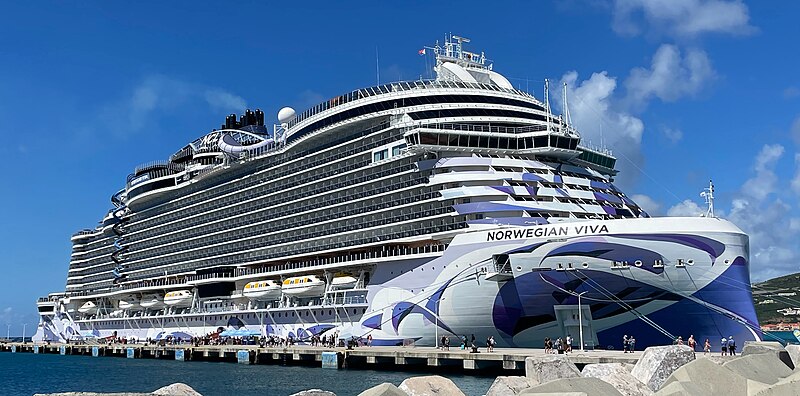
Norwegian Cruise Line
Norwegian Viva
Italian Riviera & France
Jul 30, 202610 nights4.5
per person$1,847
Estimated starting fare — verify with cruise line


