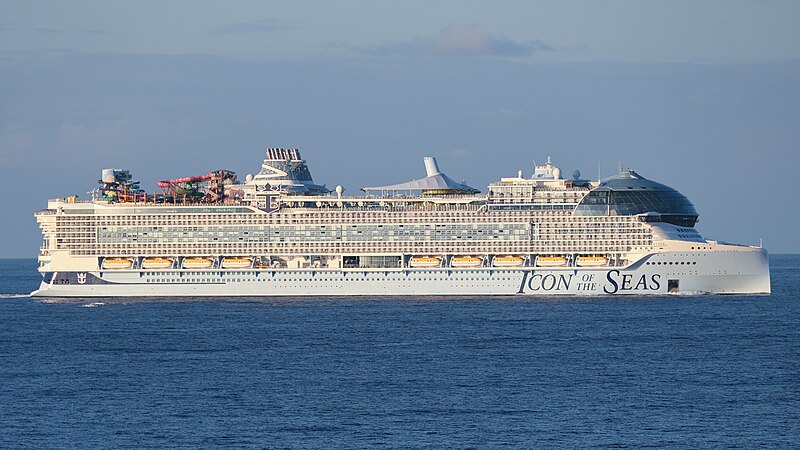
I have a confession. I used to book Caribbean cruises in July because the prices were phenomenal and I figured, hey, what are the odds. The odds, it turns out, are not zero. They are specifically the kind of odds that result in your ship skipping Grand Cayman entirely and spending an unexpected day at sea while you watch rain bands crawl across the horizon from a pool deck that has been closed since breakfast.
But 2026 is shaping up differently. And if you understand why, you can time your booking to take advantage of something that doesn't happen every year.
What the Numbers Actually Say
Every April, Colorado State University's Tropical Meteorology Project releases its seasonal hurricane forecast, and it is the closest thing the cruise world has to a weather bible. For 2026, they are calling for 13 named storms, 6 hurricanes, and 2 major hurricanes. In a typical year, the Atlantic averages about 14 named storms, 7 hurricanes, and 3 major ones.
CSU April 2026 forecast — below the 30-year average of 14 / 7 / 3
So the headline is not "no hurricanes." The headline is "fewer hurricanes, and here is what that means for your vacation planning."
Why El Nino Changes Everything
The driving force behind the mild forecast is El Nino — the periodic warming of Pacific equatorial waters that, somewhat counterintuitively, makes the Atlantic calmer. El Nino increases vertical wind shear across the Atlantic basin. Wind shear is essentially the atmospheric equivalent of someone shaking your table while you try to stack cards. Hurricanes need calm, organized conditions to form, and El Nino makes the atmosphere anything but calm.
Historical reduction in US major hurricane landfalls during El Nino years vs. non-El Nino years (NOAA)
During El Nino years, the Atlantic historically produces significantly fewer hurricanes than during La Nina years — with major hurricane landfalls dropping by roughly two-thirds according to NOAA data. That is not a marginal difference. That is the difference between September feeling like a gamble and September feeling like a calculated decision.
The Calendar Problem Most People Get Wrong
Hurricane season runs June 1 through November 30. But treating that entire window as equally risky is like saying all of winter is equally cold. It is technically true and completely useless for planning.
The real danger zone is August through October. September is the peak — it produces more named storms than any other month by a wide margin. October is second. June and November are bookends where storms can happen but rarely reach Caribbean cruise routes with any force.
CSU 2026 estimate — below the historical average of 47%
CSU puts the 2026 probability of a major hurricane making landfall somewhere in the Caribbean at 35 percent. For US landfall, it is 32 percent. These numbers sound high until you realize they cover the entire six-month season across thousands of miles of coastline. The chance of a storm hitting your specific seven-day itinerary in a specific week is dramatically lower.
Not All Caribbean Is Created Equal
This is where it gets useful for actual booking decisions. The Caribbean is not one place — it is a sprawling arc of islands stretching from the Bahamas down to the coast of South America, and hurricane exposure varies enormously depending on where you are.
| Region | Hurricane Exposure | Peak Risk Months | Notes |
|---|---|---|---|
| Bahamas and Turks & Caicos | High | Aug - Oct | Directly in the most common storm tracks from the central Atlantic |
| Eastern Caribbean (USVI, St. Maarten, Antigua) | High | Aug - Oct | First landfall point for Cape Verde storms crossing the Atlantic |
| Western Caribbean (Cozumel, Belize, Grand Cayman) | Moderate | Sep - Nov | Gulf-tracking storms can arrive later in the season |
| Southern Caribbean (Aruba, Bonaire, Curacao) | Low | Rare | Below the typical hurricane belt — storms almost never reach this far south |
| Cuba and Jamaica | Moderate-High | Aug - Oct | Large islands that intersect multiple common storm paths |
If you are the type who wants to minimize risk without giving up the Caribbean entirely, southern Caribbean itineraries are your answer. The ABC islands — Aruba, Bonaire, and Curacao — sit below the hurricane belt. No hurricane has made direct landfall on these islands in modern recorded history — the last major storm impact was in 1877 — which is about as close to a guarantee as weather gets.
You can filter Caribbean sailings by specific ports on GoCruiseTravel.com to find routes that stick to the southern arc.
Your Day on a Rerouted Cruise
Picture this. You wake up on what was supposed to be your Grand Cayman day. The captain came on the intercom last night — a tropical system is tracking northwest, nothing dangerous to the ship, but the port authority closed the tender operations. Instead, you are heading to Cozumel.
Your phone buzzes with the updated itinerary. You wander up to the pool deck, which is sunny because the storm is 400 miles away. The ship found calm water. Someone at the bar is already working on their second frozen drink. By 10 AM you have genuinely forgotten you were supposed to be somewhere else. This is the reality of hurricane-season disruptions on modern cruise ships. It is not the disaster movie version. It is the slightly-different-vacation version.
When to Book for Maximum Confidence
Here is where the mild forecast becomes actionable. In a typical year, the conventional wisdom is to avoid Caribbean cruises from mid-August through mid-October entirely. That advice makes sense when the forecast is average or above average.
The price implications are real. Cruise lines discount hurricane-season sailings because demand drops. But when the forecast is mild, savvy bookers jump on October departures early. If you are reading this in April 2026, you are still ahead of the curve. By June, when hurricane season officially starts and media coverage ramps up, the October inventory on popular ships will be thinner.
GoCruiseTravel.com shows real-time pricing across carriers for Caribbean fall sailings — worth checking before the forecast-driven demand bump hits.
The Insurance Question
Even in a mild year, travel insurance for hurricane-season cruises is not optional. It is the cost of playing the odds intelligently instead of recklessly.
Cancel-for-any-reason coverage typically costs 40 to 60 percent more than standard trip cancellation, but it lets you bail if a storm forms and you simply do not want to deal with potential itinerary changes. Standard policies cover named-storm disruptions but will not reimburse you for deciding three days before departure that you would rather not go because a tropical depression showed up on the weather map.
Historical Context That Actually Matters
The last El Nino year for the Atlantic was 2023, which defied expectations — record-warm Atlantic sea surface temperatures overwhelmed El Nino's suppressive effect, producing 20 named storms and making it the most active El Nino season on record. The lesson: El Nino tilts the odds in your favor, but it is not a guarantee, and ocean temperatures can override the signal. Seasonal forecasts set the baseline, but conditions can shift. CSU updates their forecast in June and August, and those revisions matter.
What does not change is geography. The southern Caribbean has been below the hurricane belt for as long as humans have been tracking storms. That is not a forecast — it is geology and atmospheric physics.
CSU 2026 estimate — meaning a 68% chance NO major hurricane hits the US coast this season
The Booking Decision Tree
Let me make this simple.
Want a Caribbean cruise in June or July 2026? Book it. Early hurricane season is historically quiet, and the El Nino suppression adds another layer of protection. Just buy standard trip insurance.
Want August or September? September is still September. The forecast is mild, not nonexistent. If you book September, go with southern Caribbean routes and get cancel-for-any-reason insurance.
Want October or November? This is the sweet spot for 2026. You get hurricane-season pricing with near-winter-season weather odds. Late October especially looks strong given the El Nino forecast. Book now before the word gets out.
2026 Fall Caribbean: Book With Confidence, Book Smart
The 2026 hurricane forecast is genuinely encouraging for Caribbean cruise travelers. El Nino conditions are expected to keep the Atlantic quieter than usual, and that opens a wider booking window for fall sailings. Late October and November are the lowest-risk months. Southern Caribbean routes offer natural protection regardless of forecast. Buy trip insurance, watch the June CSU update, and stop refreshing the National Hurricane Center website every morning. The weather odds are on your side this year — which is more than most years can say.

When the Danube Runs Dry: The Bavaria Bottleneck and Refund Rights
When drought halts river cruises between Regensburg and Passau, operators swap ships for buses. Here is what EU law says about your refund rights.