Audit of 29 cruise lines reveals the "All-In Gap" — mandatory gratuities, drinks, Wi-Fi, and excursions add 80% to 140% onto mainstream headline fares.
Paying two hundred dollars for ship internet only to watch an email attachment spin in circles while sitting thirty miles off Cozumel is a specific kind of modern vacation grief.
Paying two hundred dollars for ship internet only to watch an email attachment spin in circles while sitting thirty miles off Cozumel is a specific kind of modern vacation grief.
Over the last two years, maritime satellite internet underwent a massive overhaul as lines swapped legacy geostationary dishes for SpaceX Starlink constellations. While connection speeds have undeniably improved, prices have climbed right alongside them. A seven-night cruise with two phones connected can easily add four hundred dollars to your onboard folio.
Based on pre-cruise published retail pricing tracked across GoCruiseTravel.com.
1. The Starlink Reality Check: Speed vs. Metal Cabins
Nearly every major cruise brand now markets high-speed Starlink maritime connectivity. Marketing brochures imply you will browse at sea just like you do in your living room. The reality is more nuanced.
Starlink provides impressive open-ocean satellite bandwidth, often clocking between 20 and 80 Mbps on open decks. However, that signal must be distributed across three to five thousand passengers simultaneously streaming video, updating cloud photos, and running VPNs.
Furthermore, cruise ship cabins are essentially steel shipping containers welded together. The Wi-Fi access point mounted in the hallway carpet often struggles to penetrate heavy steel fire doors and cabin walls. You may have blazing speeds by the pool, only to drop to single digits the moment you close your cabin door.
Attributed to structural steel bulkhead interference and hallway router density.
2. The One-Device Account Swapping Hack
One of the most expensive assumptions first-time cruisers make is believing every passenger needs their own internet package.
Almost all cruise lines (including Royal Caribbean, Carnival, and Celebrity) tie your Wi-Fi package to your loyalty login or stateroom account, not a physical hardware address. A one-device package simply means only one phone, tablet, or laptop can be active on the network at any single moment.
If you want to check messages on your phone, you log in. When your travel companion wants to upload photos or check work email on their laptop an hour later, they open the captive portal and click switch active device. The system automatically disconnects the first device and connects the second.
By taking turns, a couple or family can cut their connectivity bill in half for the entire week without sacrificing essential access.
3. What You Can Get for Free Without Buying Wi-Fi
Before spending money on an internet plan, understand what works on board without paying a single dollar:
Every major cruise line operates a free local intranet accessible through their smartphone app. Even in airplane mode, connecting to the ship Wi-Fi allows you to view daily schedules, book specialty dining, review your onboard bill, and communicate with other guests.
Many ship apps (such as Royal Caribbean, Disney, and Holland America) include free in-app guest-to-guest chat. While these chat features lack third-party stickers or voice calls, they let you coordinate deck meetups without buying an external data package.
Curiously, low-bandwidth push notifications and plain-text iMessage or WhatsApp alerts frequently slip through the firewall even on unpaid connections. You cannot load web pages or images, but text pings often announce themselves.
4. The Port-Day eSIM Alternative
If your primary reason for wanting internet is navigating ports, finding local restaurants, and updating family back home, buying sea internet is the wrong tool.
A typical seven-night Caribbean or Mediterranean cruise spends four or five days docked in port. Local cellular towers provide faster speeds at a fraction of satellite rates.
By installing a regional travel eSIM (such as Airalo, Maya, or GigSky) before leaving home, you can connect to local 5G networks the moment the ship docks. A five-gigabyte regional data pack often costs less than a single day of shipboard satellite access.
You enjoy fast internet all day ashore, and unplug while sailing between ports in the evening.
Cruise Wi-Fi Costs and Performance by Operator
Here is how the major cruise lines price and configure their internet packages:
| Cruise Line | Typical Daily Rate | Fleet Satellite System | Best Use Case & Limitations |
|---|---|---|---|
| Royal Caribbean | $20 to $26 / day | Starlink fleetwide | Reliable browsing; video streaming requires Voom Surf & Stream tier |
| Celebrity Cruises | $24 to $30 / day | Starlink fleetwide | Included in All Included bundles; premium tier supports VPN and video calls |
| Carnival Cruise Line | $18 to $25 / day | Starlink fleetwide | Social tier blocks email/web; Premium tier needed for streaming and work |
| Norwegian Cruise Line | $25 to $35 / day | Starlink phased rollout | Free at Sea minutes expire quickly; unlimited upgrade is costly |
| Virgin Voyages | Included in fare | Starlink fleetwide | Basic Wi-Fi included for all sailors; premium streaming upgrade available |
| Princess Cruises | $20 to $25 / day | MedallionNet / Starlink | Heavily discounted when purchased as part of Princess Plus or Premier packages |
How to Plan Your Tech Setup on GoCruiseTravel.com
When calculating the true cost of a sailing on GoCruiseTravel.com, look beyond the base cabin fare and examine how internet perks impact your bottom line.
Some premium lines, such as Virgin Voyages or Regent, bundle Wi-Fi directly into the ticket price. Mainstream operators advertise tempting cabin prices, but adding connectivity for two travelers can inflate your vacation budget by several hundred dollars.
Review our full technical benchmarks and latency comparisons across all 33 lines. — see Fleet-Wide Cruise Ship Wi-Fi Ranking (https://www.gocruisetravel.com/en/guides/best-cruise-ship-wifi)If you decide you truly need Wi-Fi, always purchase your package through the cruise line portal before embarkation day. Pre-cruise discounts routinely offer ten to twenty-five percent off the inflated desk prices charged once on board.
The Bottom Line on Cruise Wi-Fi
If you do not have urgent job responsibilities or critical family obligations, skip the fleetwide internet package. Combine the cruise line free app chat on board with a ten-dollar port-day eSIM ashore, and share a single 24-hour pass only on the sea days when you actually need it.
Ranked from lowest daily hidden markup to highest. Sourced directly from official cruise line terms and fee schedules.
GoCruiseTravel compares 269 ships across 33 lines, minus the brochure nonsense. Three hulls tied to what you just read:
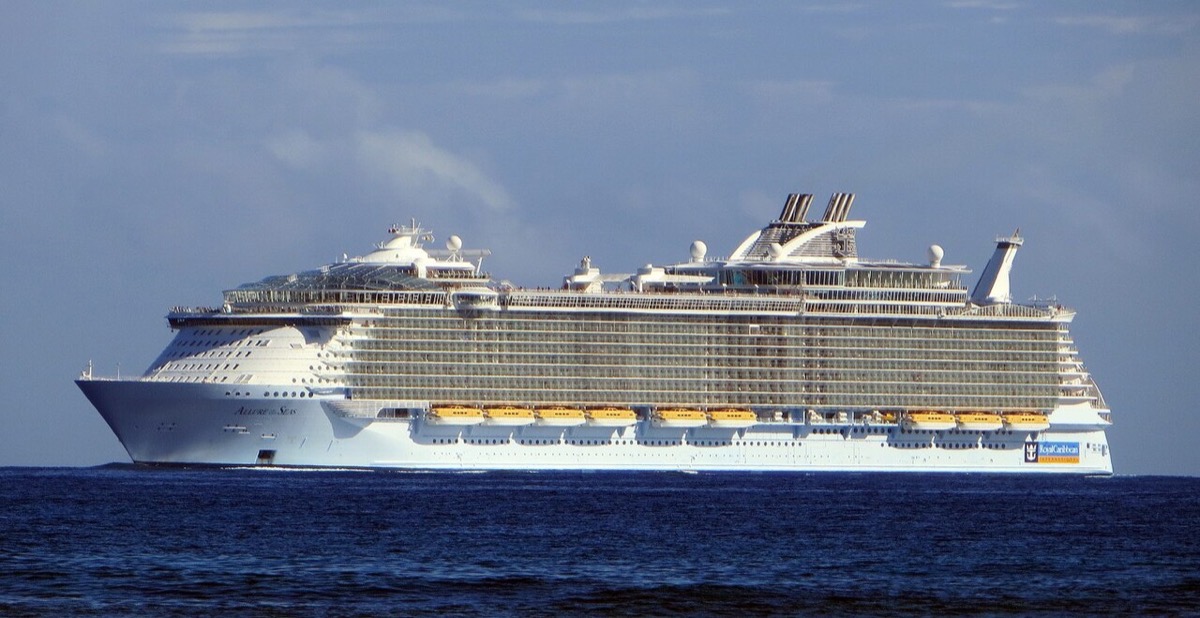
Royal Caribbean International · 5,484 guests · 2010
Allure of the Seas
Fresh off a major 2025 pool-deck and tiki-bar refit that gives you full Oasis-class spectacle for less, though peak-hour elevator waits still test your patience.
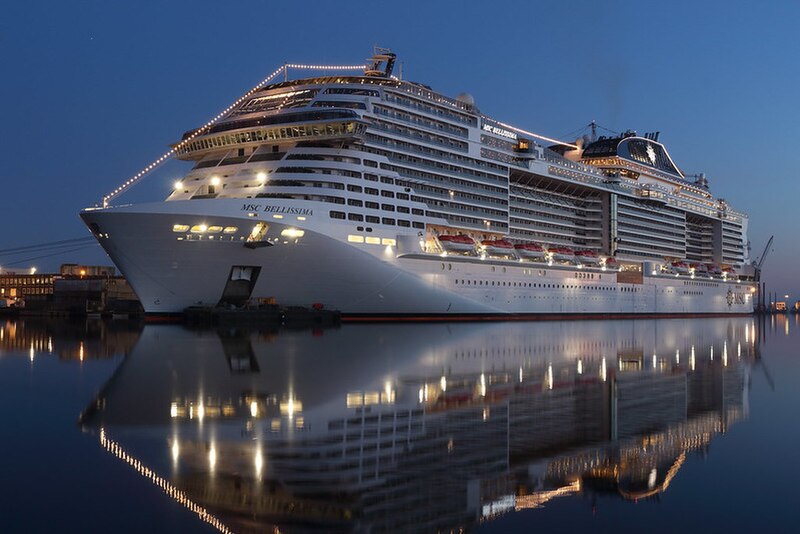
MSC Cruises · 4,488 guests · 2019
MSC Bellissima
A favorite for Japan and Taiwan routes with an LED-domed promenade and solid kids' areas, though peak meal times get crowded fast.
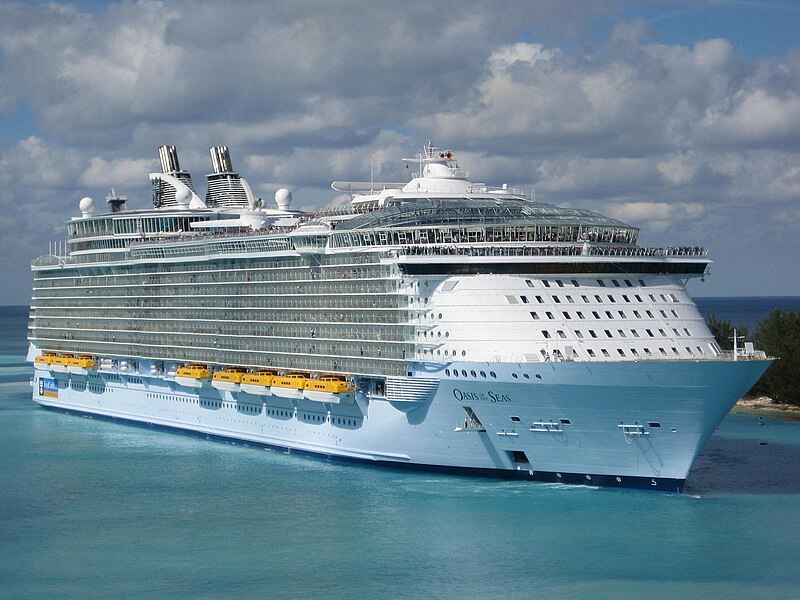
Royal Caribbean International · 5,606 guests · 2009
Oasis of the Seas
The original neighborhood mega-ship, heavily updated in 2019 so you get waterslides, Broadway shows, and BBQ at lower fares than newer sisters, with older cabin bathrooms.

Cruise Ship Gyms, Saunas & Pools: What's Free, Fake, or Paywalled
Across 269 ships, dumbbells cap at 50-100 lbs, pools average 30-40 feet, and free locker saunas are vanishing behind $40-$79 thermal passes.