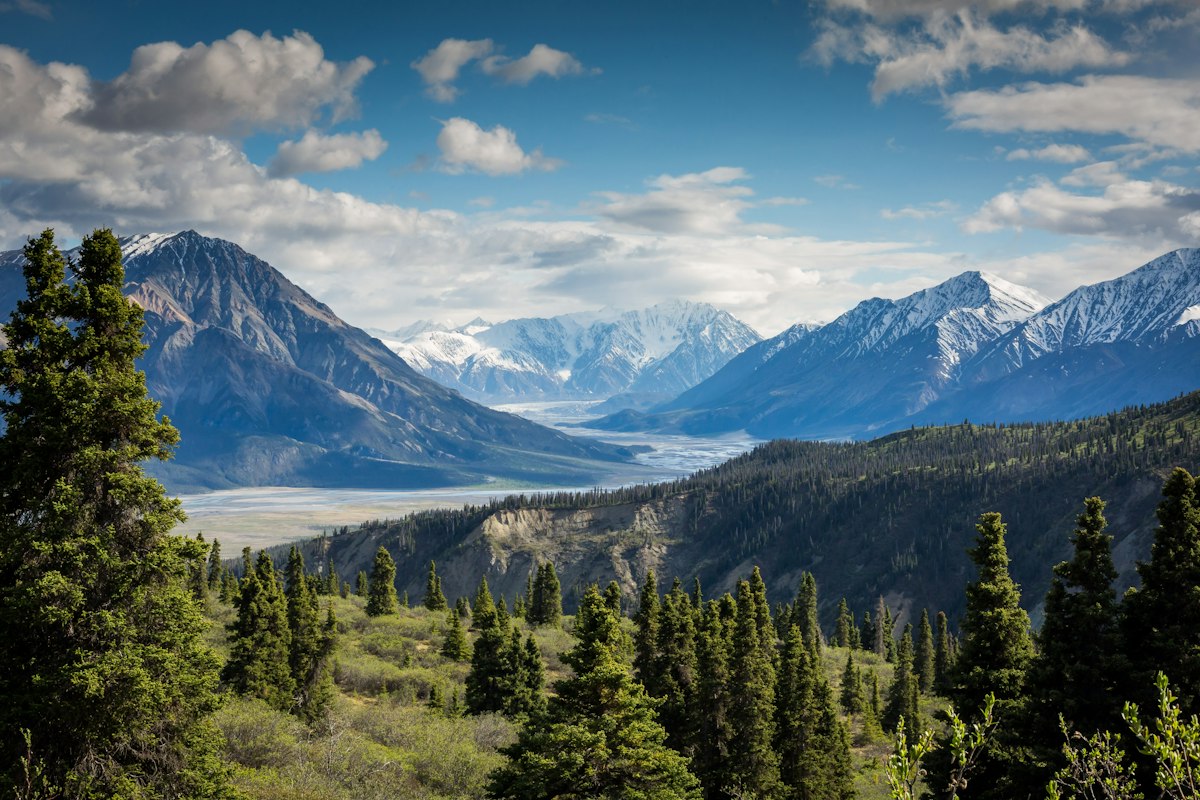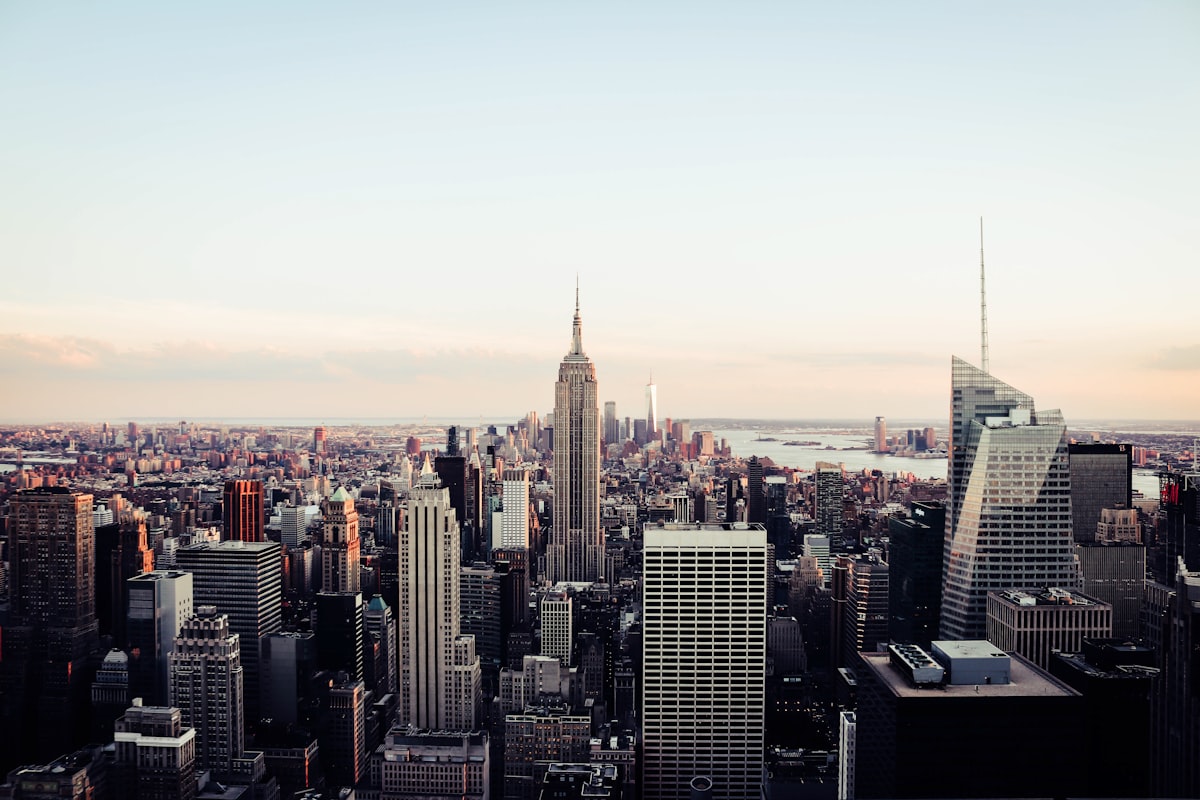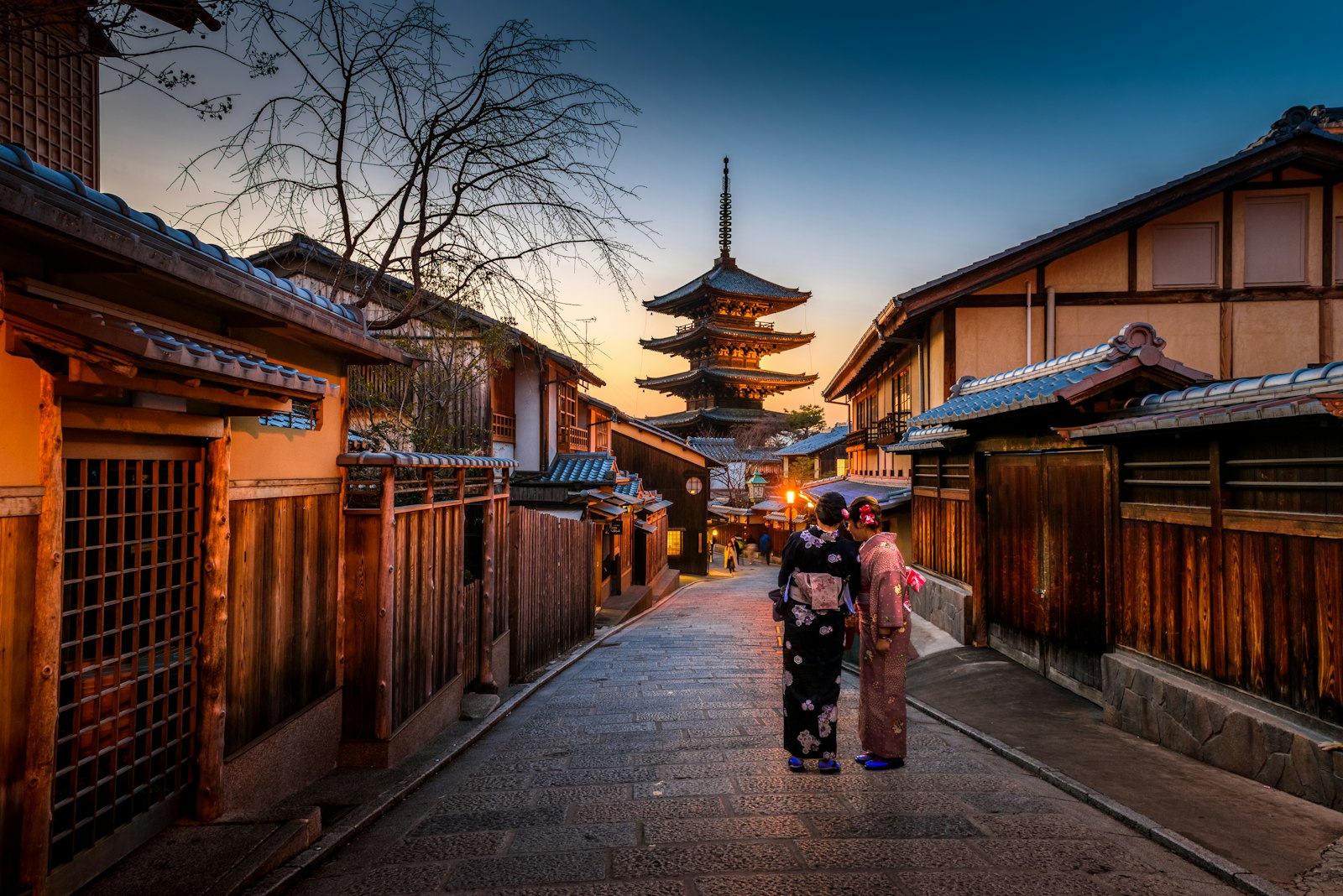
I've cruised the Caribbean. I've done the Mediterranean twice. I've sailed through the Norwegian fjords and around the British Isles and past glaciers in Alaska.
Then I cruised Japan.
And now everything else feels a bit... flat.
It's not that other destinations are bad. They're fine. They're lovely. It's just that Japan operates on a different level — a level where the convenience store lunch is better than most restaurant dinners, where a 400-year-old temple sits next to a vending machine selling hot coffee, and where every single person on the street seems to have agreed that being thoughtful and considerate is simply the way things work.
Japan doesn't just compete with other cruise destinations. It makes you rethink what a cruise destination can be.
Why Japan Is Different
The Food Is Not Just Good. It's Life-Altering.
I need to be upfront about this: Japanese food will ruin you. Not in a "fine dining is nice" way. In a "why does every other country allow mediocre food to exist" way.
A ¥900 ($6) bowl of ramen from a counter shop in Osaka will be the best thing you eat that month. A convenience store onigiri (rice ball) at 7-Eleven — a convenience store! — is better than most restaurants back home. Sushi at Tsukiji Outer Market in Tokyo isn't just fresh; it rewrites your understanding of what fish can taste like.
Every cruise port in Japan has food worth stopping for. Not tourist-trap food near the dock. Real food, eaten by locals, at prices that make European dining look absurd.
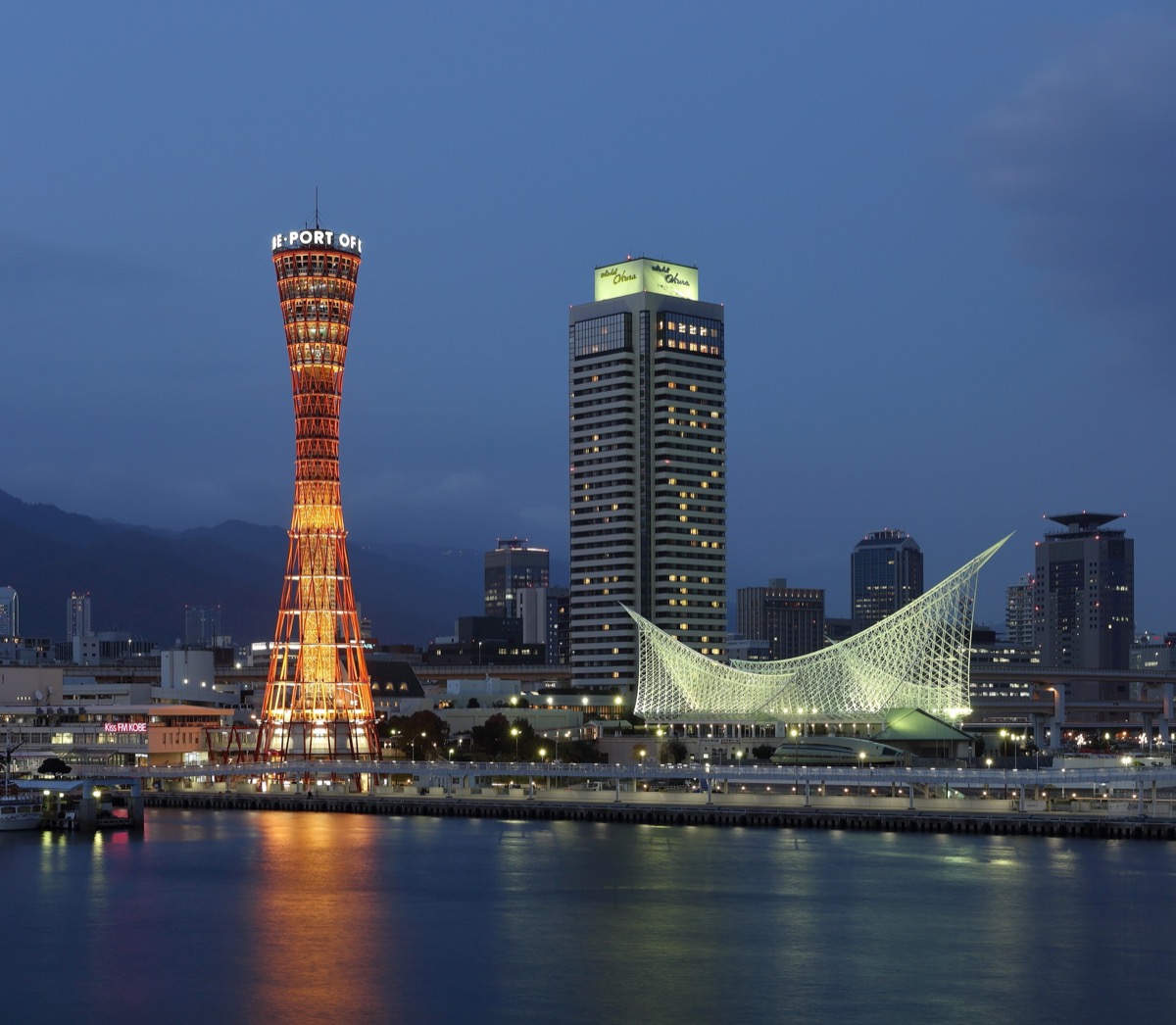
In Osaka (Kobe): Takoyaki (octopus balls), okonomiyaki (savoury pancakes), and the entire Dōtonbori food street.
In Tokyo (Yokohama): Tsukiji Outer Market, ramen alley in Shinjuku, and yakitori under the train tracks at Yūrakuchō.
In Kyoto: Matcha everything, kaiseki (multi-course traditional cuisine), and street food along Nishiki Market.
In Nagasaki: Champon noodles (a local specialty born from Chinese-Japanese culinary fusion) and castella cake (Portuguese-influenced sponge cake, a legacy of Nagasaki's centuries-long history as Japan's window to Europe).
The Public Transport Is a Cruise Within a Cruise
In most cruise ports, getting from the ship to the good stuff requires a taxi, a tour bus, or an overpriced excursion. In Japan, it requires a train ticket.
Japanese trains are punctual to the second, clean enough to eat off the floor (don't, though), and connect every cruise port to nearby cities with terrifying efficiency. Kobe to Kyoto: 50 minutes. Yokohama to Tokyo: 25–30 minutes. These aren't "sort of nearby." They're right there.
This changes the cruise equation completely. You don't need ship excursions. You don't need a guide. You buy a Suica card (rechargeable transit card), tap it on the gate, and you're in Kyoto an hour after the gangway opens. Independence in Japanese ports is easier than almost anywhere else on earth.
Every Port Has Depth
This is what separates Japan from most cruise regions. In the Caribbean, many ports are interchangeable — a beach, a bar, a shopping area. In the Mediterranean, some ports are lovely but thin — you've seen the highlight in two hours.
Japanese ports have layers. Each one represents a distinct slice of culture, history, and regional identity. You could spend a week in any of them and not run out of things to discover.
The Ports, Ranked
Kyoto (via Kobe or Maizuru) — The Unmissable
Kyoto was Japan's capital for over a thousand years and it holds more UNESCO World Heritage Sites than almost any city on earth. The temple density is staggering — Kinkaku-ji (the gold pavilion), Fushimi Inari (10,000 orange torii gates), Ryōan-ji (the most famous Zen rock garden), Arashiyama (bamboo groves) — and each one exists in its own pocket of quiet beauty.
How to do it: Take the JR Special Rapid from Kobe-Sannomiya (about 50 minutes) or from Maizuru (2 hours by car/bus). From Kobe, you have enough time for 3–4 major sites. Pick one area (eastern Kyoto temples, Fushimi Inari, or Arashiyama) and go deep rather than rushing between all of them.
Tokyo (via Yokohama) — The Overwhelming
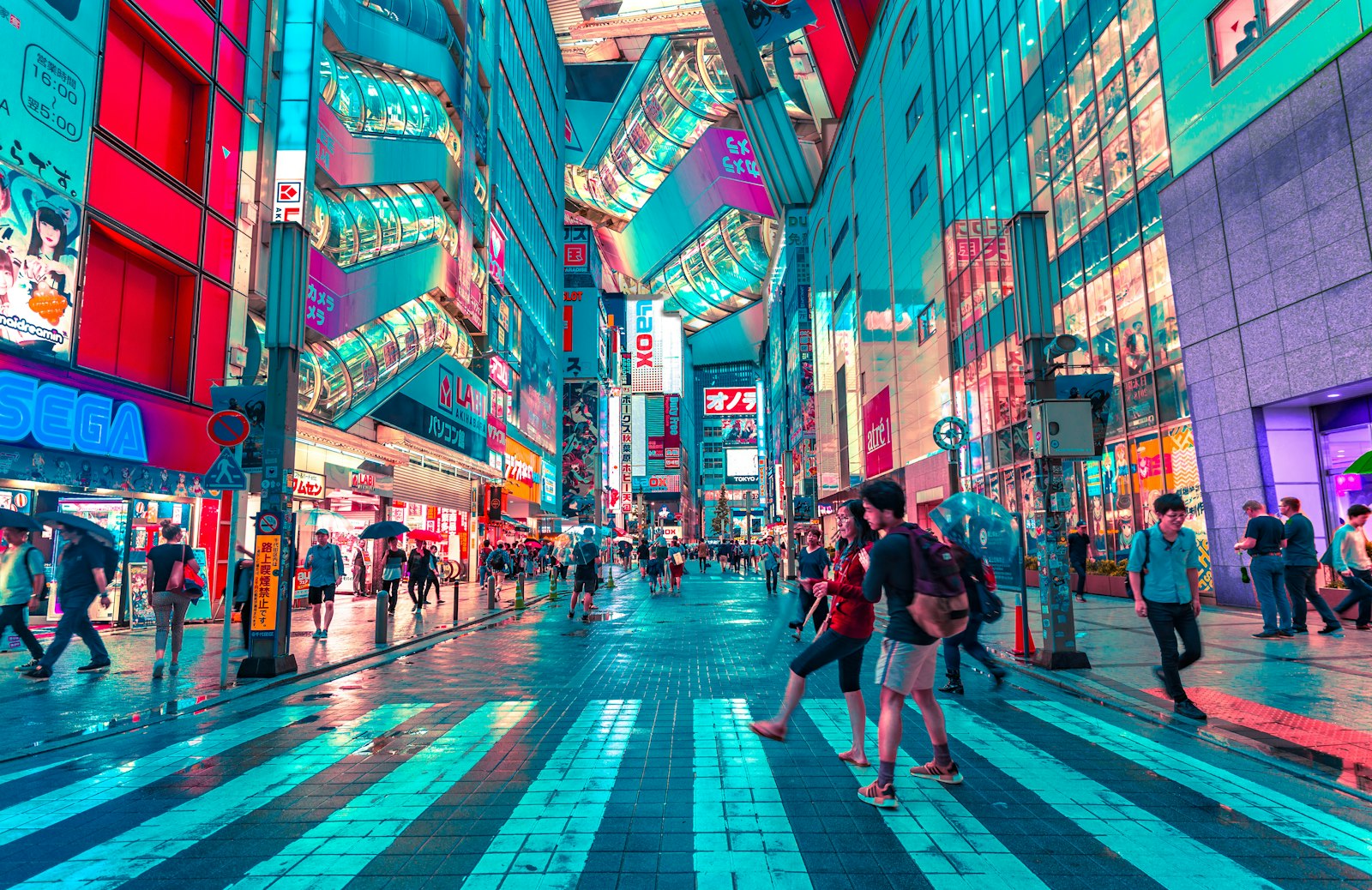
Tokyo is too much for one port day. Accept this immediately and you'll enjoy it. Pick one neighbourhood and immerse yourself:
- Shibuya: The famous crossing, Harajuku fashion, Meiji Shrine
- Asakusa: Sensō-ji temple, traditional Tokyo, Nakamise shopping street
- Shinjuku: Ramen, nightlife, Golden Gai (tiny bar district)
- Tsukiji/Toyosu: The greatest food market complex on earth
Don't try to see all of Tokyo. See one corner of it properly.
Nagasaki — The Layered
Nagasaki's history is extraordinary. For centuries, it was Japan's only port open to foreign trade — Portuguese missionaries arrived in the 1500s, Chinese merchants built a thriving Chinatown, and Dutch traders operated from the artificial island of Dejima. Then, in August 1945, the second atomic bomb changed everything.
The Peace Park and Atomic Bomb Museum are sobering and essential. But Nagasaki is more than its tragedy — it's a city where Buddhist temples sit next to Catholic churches, where the food fuses Japanese, Chinese, and Portuguese influences, and where the hills above the harbour offer views that rival any in Japan.
Kagoshima — The Volcanic
Kagoshima faces Sakurajima — an active volcano that erupts regularly, dusting the city in fine ash. Locals carry umbrellas not just for rain, but for volcanic fallout. This sounds alarming. In practice, it's fascinating. The city has hot springs heated by volcanic activity, black sand beaches, and a relaxed southern Japanese atmosphere that feels different from the formality of Tokyo and Kyoto.
Hiroshima (via Kure) — The Essential
The Peace Memorial Park and Museum are among the most important places you'll ever visit. The emotional impact is profound and necessary. After the museum, take the ferry to Miyajima Island — the floating torii gate, wild deer, and quiet temples provide a gentle counterpoint to the morning's weight.
Okinawa — The Tropical Outlier
Okinawa doesn't feel like Japan. It feels like a subtropical island chain with Japanese efficiency, Okinawan culture, American military presence, and some of the clearest water in Asia. The food is different (gōyā champurū, soki soba, purple sweet potato tarts), the pace is slower, and the vibe is distinctly island.
| Must-See | Best For | |
|---|---|---|
| Kyoto (Kobe) | Temples, shrines, traditional culture | Culture, photography, spiritual seekers |
| Tokyo (Yokohama) | One neighbourhood, deeply | Food, energy, modern Japan |
| Nagasaki | Peace Park, Chinatown, Glover Garden | History, multicultural depth |
| Kagoshima | Sakurajima volcano, hot springs | Geology, relaxation, adventure |
| Hiroshima (Kure) | Peace Museum, Miyajima Island | History, reflection, serenity |
| Okinawa | Beaches, Shuri Castle (under reconstruction), snorkelling | Beach lovers, unique culture |
The Practical Bits
When to Go
Cherry blossom season (late March–mid April): Peak season, peak beauty, peak prices. The blossoms are genuinely magical — entire cities turn pink for two weeks. But ships sell out early and ports are crowded.
Autumn (October–November): Equally beautiful with maple leaves turning crimson across every temple garden. Fewer crowds, lower prices, exceptional weather.
May and September: Sweet spots. Good weather, manageable crowds, reasonable pricing.
Which Lines Sail Japan?
(https://www.gocruisetravel.com/en/guides/undefined) (GoCruiseTravel Perk Score: 62/100) and (https://www.gocruisetravel.com/en/guides/undefined) (GoCruiseTravel Perk Score: 65/100) have the deepest Japan itineraries — both have sailed the region for decades and understand the ports.
(https://www.gocruisetravel.com/en/guides/undefined) (GoCruiseTravel Perk Score: 72/100) and (https://www.gocruisetravel.com/en/guides/undefined) (GoCruiseTravel Perk Score: 45/100) have expanded into Japan with newer offerings.
(https://www.gocruisetravel.com/en/guides/undefined) (GoCruiseTravel Perk Score: 48/100) is growing its Asian program rapidly.
Luxury options: (https://www.gocruisetravel.com/en/guides/undefined) (GoCruiseTravel Perk Score: 95/100), (https://www.gocruisetravel.com/en/guides/undefined) (GoCruiseTravel Perk Score: 93/100), and (https://www.gocruisetravel.com/en/guides/undefined) (GoCruiseTravel Perk Score: 98/100) offer Japan itineraries with smaller ships and more intimate port experiences.
Cultural Tips for Port Days
Bow slightly when greeting. Not a deep bow — a small head nod when you enter a shop, restaurant, or temple.
Shoes off indoors. Many temples and traditional restaurants require shoe removal. Wear shoes that slip on and off easily.
Cash is still common. Many smaller shops, temples, and restaurants are cash-only. Withdraw yen from a 7-Eleven ATM (they accept international cards reliably).
Be quiet on trains. Japanese trains are silent by social agreement. No phone calls, no loud conversation. Observe the peace.
Rubbish bins are rare. Japan is spotless because people carry their rubbish with them until they find a bin. Do the same.
The Warning
I mentioned that Japan ruined other cruise destinations for me. I wasn't being dramatic. After Japan, Caribbean ports feel generic. Mediterranean ports feel commercialised. Even the Norwegian fjords — which are objectively spectacular — feel like scenery without substance.
Japan has substance. Every port has substance. The food, the culture, the history, the people, the precision, the beauty — it all compounds over a 10-day sailing into something that changes how you think about travel.
You've been warned.
GoCruiseTravel's Japan Cruise Verdict
Japan is the cruise destination that ruins you in the best possible way — every port offers something culturally distinct, the public transit makes independent exploration effortless, and the food alone justifies the flight. GoCruiseTravel tracks Japan sailings across Princess, Holland America, Celebrity, Viking, and Royal Caribbean, and finds 10–14 night itineraries consistently rated among the highest by experienced cruisers. If you can only do one cruise destination that isn't the Mediterranean or Caribbean, make it Japan. Cherry blossom season (late March to mid-April) is the most spectacular window, but autumn (October–November) offers better value and nearly equal beauty. Japan and Asia cruise guide 2026 (https://www.gocruisetravel.com/en/guides/japan-asia-cruise-guide-2026) | Bucket-list cruise destinations (https://www.gocruisetravel.com/en/guides/bucket-list-cruise-destinations) | Ports worth skipping the ship for (https://www.gocruisetravel.com/en/guides/ports-worth-skipping-the-ship-for)

MSC's Mega-Ship Just Fled the Middle East for the Caribbean
MSC World Europa scrapped its Arabian Gulf season over the Hormuz blockade. New Southern Caribbean sailings from Martinique and Barbados start November 2026.