Kailua-Kona is the dry, sunny, postcard side of the Big Island — the half that gets pictured when someone says "Hawaii" and the opposite of rainforest Hilo ninety miles east. Ships don't dock here; they anchor offshore and tender passengers in to Kailua Pier in the middle of town. Step off the tender and you're already on Aliʻi Drive, which is the whole appeal: a walkable seafront strip of historic buildings, coffee bars, and snorkel boats, with the Kona coffee belt and Mauna Kea waiting upcountry for anyone willing to rent a car.
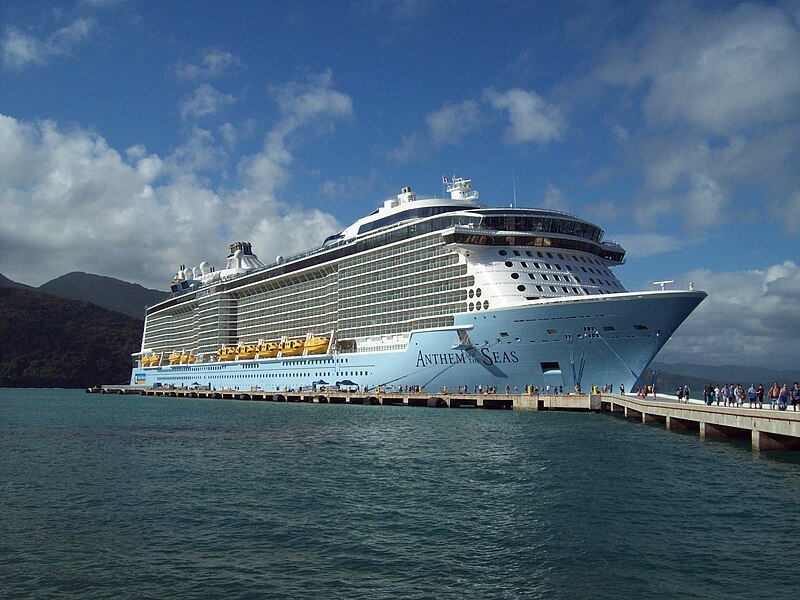
Kailua-Kona is a tender port, and that fact shapes the whole day. The harbor is too shallow and exposed for cruise ships, so they anchor in the open roadstead off town and run lifeboats — or contracted local boats — to Kailua Pier, a short concrete pier right at the foot of Aliʻi Drive. Tendering is usually smooth here because the Kona coast is famously calm and lee-sheltered, but "usually" is doing work in that sentence: when the swell or wind is wrong, ships skip Kona entirely and nobody finds out until the morning announcement. It happens a few times a season. When it does run, the tender ride is five to ten minutes and drops you in the dead center of a working town, no shuttle required.
The honest frame: Kona's town core is small and you can see the historic part of it in an easy half-day on foot. Aliʻi Drive runs along the water past Hulihe'e Palace, a royal vacation home turned museum, and Mokuaikaua Church, the oldest Christian church in the islands, both within a few minutes' walk of the pier. The bigger reasons to come are out of town and need wheels or a tour: the Captain Cook Monument and Kealakekua Bay snorkeling south of town, the Kona coffee belt climbing the slopes through Holualoa, the Pu'uhonua o Hōnaunau place of refuge further down the coast, and — if your ship is in late — the summit road up Mauna Kea. Unlike Hilo, which sends everyone to Volcanoes National Park, Kona's draw is the coast itself: warm, dry, and built for snorkeling rather than craters.