
September 18
Departure
14
nights
13
ports
$8,510
From
Ask anything about Western Mediterranean
GoCruiseTravel.com Cruise Data
$608
per night
14
nights
88/100
luxury with nearly everything included
Verified Nov 26, 2026 — check current price at Explora Journeys
GoCruiseTravel.com prices this Explora II Western Mediterranean sailing from $608/night (suite). 14 nights departing September 18, 2028. Explora Journeys Perk Score: 88/100 — unlimited drinks, Wi-Fi, gratuities, specialty dining, airport transfers, room service, port shuttles. Compare 6 cabin categories with real pricing data on GoCruiseTravel.com.
What's Included
Wi-Fi
All Drinks
Gratuities
Specialty Dining
Room Service
Port Shuttle
Airport Transfers
Not included
All Excursions
Flights
Insider Tips
Wi-Fi
Speeds depend on satellite coverage and the number of connected guests. Performance may drop in remote areas or during peak usage.
All Drinks
A small selection of ultra-premium labels (vintage champagnes, fine Bordeaux/Burgundy, aged single-malt whiskies) are NOT included and carry a surcharge.
Port Shuttle
Shuttle availability depends on the port layout and local agreements. Not every port will have shuttle service — check the port guide in advance.
Gratuities
Spa services may carry an additional service charge. Check individual treatment pricing for details.
Room Service
The complimentary minibar includes premium selections, but specific requests outside the standard minibar list may not be available.
Specialty Dining
Anthology, the flagship fine-dining restaurant with guest-chef menus, costs EUR 165 per person plus an optional EUR 70 wine pairing. Chef's Kitchen also carries a surcharge.
Booking
Shore excursions ('Destination Experiences') are NOT included in the fare despite the all-inclusive positioning. All port tours are an additional cost.
Dining
Anthology restaurant charges EUR 165/person (plus optional EUR 70 wine pairing). On a 10-night voyage, a couple dining there twice would spend over EUR 660 extra.
Cancellation
A 25% deposit is required at booking. Full payment is due 90 days before departure (150 days for Ocean Residences). Cancellation penalties escalate on a tiered schedule.
Dining
Dress code at dinner (6 PM onward): no shorts, sleeveless shirts, baseball caps, or sportswear in Anthology, Fil Rouge, Sakura, Marble & Co. Grill, or Med Yacht Club.
About the Ship
- Hot Tubs
- 4
- Elevators
- 8
- Cabin Voltage
- 110V & 220V
- USB in Cabins
- Yes
- Pets
- Not Allowed
- Service Animals
- Case by Case
- Dress Code
- Smart Casual
- Formal Nights
- No
- Balcony Smoking
- Not Allowed
Accessible Cabins:5
Self-Service LaundryMedical CenterPool Lift
Dietary Options
Gluten-FreeVegan
Your Journey
- DAY1

- DAY2
Day 2
At Sea
- DAY3

- DAY4

- DAY5

Day 5
MonacoMonacoThe world's most glamorous small-ship port: Casino Monte-Carlo is a short walk from the pier.
- DAY6

Day 6
NiceFranceTenders into Villefranche put the French Riviera, Nice, and Monaco all within easy reach.
- DAY7

- DAY8

- DAY9

- DAY10
Day 10
CapriItalyThe dazzling Blue Grotto sea cave glows electric blue from sunlight through underwater arches.
- DAY11
Day 11
CapriItalyThe dazzling Blue Grotto sea cave glows electric blue from sunlight through underwater arches.
- DAY12

Day 12
Saint-TropezFranceSun-drenched Riviera glamour with a medieval old town above a yacht-filled harbor.
- DAY13

Day 13
AjaccioFranceNapoleon's birthplace: visit his family home and Corsica's mountain-backed capital in one call.
- DAY16

Plan your days ashore
Day 1 · Mon, Sep 18 · Barcelona
S
 Landmark
Photo: Wikimedia Commons (SF maig 2026.jpg)
Sagrada Família
Construction started in 1882; Gaudí took over in 1883 and redirected it entirely — it has now been under construction for over 140 years and still isn't finished. Inside, the stained glass turns sunlight into something that makes atheists go quiet.
🕒 9:00–20:00 (summer); hours vary by season — book timed-entry tickets at sagradafamilia.org
~2.1 km away
P
 Landmark
Photo: Wikimedia Commons (Güell BCN edited.jpg)
Park Güell
The ticketed monumental zone is Gaudí's fever dream in broken ceramic, with city views that make the climb worthwhile. Skip the free outer park unless you want a photo with a costumed dragon.
🕒 9:30–19:30 (varies seasonally); timed-entry tickets required — book at parkguell.barcelona
~3.6 km away
L
 Landmark
Photo: Wikimedia Commons (15-10-27-Vista des de l'estàtua de Colom a Barcelona-WMA 2791.jpg)
La Rambla
A 1.2-kilometre promenade where the city goes to watch tourists watch back — human statues, flower stalls, overpriced coffee. Keep a hand on your wallet and enjoy it anyway; the energy is real.
~0.4 km away
B
 Landmark
Photo: Wikimedia Commons (Barcelona Cathedral Saint Eulalia.jpg)
Barcelona Cathedral
Free to enter in the early morning, ticketed after noon; the cloister houses 13 geese that nobody can satisfactorily explain. The surrounding Gothic Quarter lanes are better walked than read about.
🕒 Daily; free until ~12:30, paid admission 12:30–17:30 (check cathedral website for current times)
~0.3 km away
S
 Landmark
Photo: Wikimedia Commons (Santa Maria del Mar, Barcelona 05.jpg)
Santa Maria del Mar
Built in 54 years by the dock workers of the neighbourhood — unusually fast for Gothic at that scale, and many argue more beautiful than the Cathedral across town. El Born around it is the most rewarding hour you can spend off the ship.
🕒 Mon–Sat 9:00–20:30, Sun 10:00–20:00 (may close briefly for services; check santamariadelmarbarcelona.org)
~0.7 km away
M
 MuseumClosed on your visit (Monday)
Photo: Wikimedia Commons (Palau Berenguer d'Aguilar.jpg)
Museu Picasso
Five medieval palaces stitched together hold 4,000 works that prove Picasso could draw normally before he decided not to. Book ahead; it closes Mondays, which is inconvenient if that's your port day.
🕒 Tue–Sun 10:00–19:00; closed Mon (check museupicasso.bcn.cat for current hours)
~0.6 km away
B
 Beach
Photo: Wikimedia Commons (Barcelona (16877599244).jpg)
Barceloneta Beach
Barcelona's main city beach is a 15-minute walk from the Gothic Quarter, backed by restaurants that will charge you €18 for paella without apology. The water is clean; the crowds are honest.
~1.8 km away
M
 MuseumClosed on your visit (Monday)
Photo: Wikimedia Commons (WLM14ES - Palau Nacional i seu del MNAC de Barcelona - MARIA ROSA FERRE.jpg)
Museu Nacional d'Art de Catalunya
The domed palace atop Montjuïc was built for the 1929 World Expo and now holds what many consider Europe's finest Romanesque art collection, rescued from crumbling Pyrenean chapels. The view from the steps is free.
🕒 Tue–Sat 10:00–18:00, Sun 10:00–15:00; closed Mon
~2.5 km away
F
 MuseumClosed on your visit (Monday)
Photo: Wikimedia Commons (Fundació Miró.JPG)
Fundació Joan Miró
Architect Josep Lluís Sert designed this bright white building specifically to house Miró's work — natural light falls exactly where Miró wanted it. Primary colors, bold shapes, and a courtyard that rewards those who skip the audio guide.
🕒 Tue–Sun 10:00–18:00 (until 20:00 Jul–Sep); closed Mon
~2.1 km away
M
 Viewpoint
Photo: Wikimedia Commons (Κάστρο Μονζουίκ 3231 - 3233.jpg)
Montjuïc Castle
A 17th-century fortress that spent most of its history being used against the city it overlooks; Barcelona has since repurposed it as the best viewpoint for the harbour and sea. A certain irony, done correctly.
🕒 Daily ~10:00–18:00 (extended summer hours; check bcn.cat for current times)
~2.5 km away
P
 Nature
Photo: Wikimedia Commons (Vista aèria Ciutadella 1960.jpg)
Parc de la Ciutadella
Barcelona's main city park and site of the 1888 Universal Exposition; the young Gaudí helped design the cascade fountain here before mosaics became his entire personality. A good bridge between the waterfront and El Born.
~1.2 km away
M
 MuseumClosed on your visit (Monday)
Photo: Wikimedia Commons (Drassanes barcelona.jpg)
Museu Marítim de Barcelona
Housed in the city's original 14th-century royal shipyards — vast Gothic stone halls where full-size war galleys were actually built. Arriving by cruise ship and walking into a medieval shipyard has an accidental poetry to it.
🕒 Tue–Sun 10:00–20:00; closed Mon
~1.1 km away
Day 4 · Thu, Sep 21 · Porto
R
SightseeingRibeira
Pastel houses, laundry on the line, and cobblestones that demand slow walking. Porto's UNESCO riverfront has looked this good since 1996.
🕒 Always open
~0.3 km away
D
 Sightseeing
Photo: Wikimedia Commons (Puente Don Luis I, Oporto, Portugal, 2012-05-09, DD 13.JPG)
Dom Luís I Bridge
Double-deck iron bridge by Théophile Seyrig, 1886. Walk the top deck for the view; the lower deck puts you in Gaia wine-cellar country.
🕒 Always open
~0.2 km away
L
 Culture
Photo: Wikimedia Commons (Livraria Lello, Porto.jpg)
Livraria Lello
Open since 1906 — the Harry Potter comparison arrived much later. The Art Nouveau staircase earns the entry fee regardless.
🕒 Daily 9:30am–8pm
~0.6 km away
S
 Culture
Photo: Wikimedia Commons (Estação São Bento Porto.JPG)
São Bento Railway Station
Twenty thousand azulejo tiles tell the history of Portugal. It's also a functioning train station, which makes it even better.
🕒 Always open
~0.4 km away
C
 Culture
Photo: Wikimedia Commons (Torre de los Clérigos, Oporto, Portugal, 2012-05-09, DD 01.JPG)
Clérigos Tower & Church
Porto's baroque tower (1763) — climb 240 steps for the view that appears on every Porto postcard. Church included in the ticket.
🕒 Daily 9am–7pm
~0.6 km away
P
 Culture
Photo: Wikimedia Commons (Porto.Cathedral01.jpg)
Porto Cathedral
Porto's oldest monument: Romanesque exterior, Gothic cloister, and azulejo panels that somehow tie it all together.
🕒 Daily 9am–6pm
~0.2 km away
P
 Culture
Photo: Wikimedia Commons (Palacio da Bolsa (Porto).JPG)
Palácio da Bolsa
The 19th-century Stock Exchange hides the Arab Room — a Moorish-revival hall that makes Versailles look like it gave up.
🕒 Daily 9am–6:30pm
~0.4 km away
P
Food & DrinkPort Wine Cellars, Vila Nova de Gaia
Cross the bridge, pick a lodge — Taylor's, Graham's, Sandeman — and spend an hour learning tawny from ruby. Worth the detour.
🕒 Most lodges daily 10am–6pm
~1 km away
C
 Culture
Photo: Wikimedia Commons (Porto - Igreja da Ordem de São Francisco1536.jpg)
Church of São Francisco
Gothic exterior (14th c.), Baroque interior with one tonne of gilded woodwork added over 200 years. The most over-the-top room in Porto.
🕒 Daily 9am–7pm
~0.4 km away
I
 Culture
Photo: Wikimedia Commons (Igreja-do-carmo-porto-facade.jpg)
Igreja do Carmo
The 1912 tiled side wall stops people mid-stride. Bonus: find the one-room house wedged between this church and its next-door twin.
🕒 Exterior always visible; interior Mon–Sat 9:30am–5pm
~0.6 km away
C
 Nature
Photo: Wikimedia Commons (Porto, Jardins do Palacio do Cristal (05).jpg)
Crystal Palace Gardens
The crystal palace was demolished in 1951. The hillside garden stayed, along with peacocks and river views that feel oddly secret.
🕒 Daily 8am–9pm
~1.2 km away
B
 Food & Drink
Photo: Wikimedia Commons (Bolhão2023.jpg)
Bolhão Market
Porto's century-old iron market, freshly renovated. Come for the fish stalls and olive sellers before lunch crowds arrive.
🕒 Mon–Fri 8am–8pm, Sat 8am–6pm
~0.8 km away
Day 9 · Tue, Sep 26 · Naples
N
 MuseumClosed on your visit (Tuesday)
Photo: Wikimedia Commons (Museo Archeologico Nazionale di Napoli - panoramio (1).jpg)
Naples National Archaeological Museum
The world's greatest hoard of Pompeii and Herculaneum finds — mosaics, bronze statues, and frescoes that outlasted the empire that made them. Bring half a day; the Secret Cabinet alone earns the taxi fare.
🕒 9:00–19:30, closed Tue
~1.5 km away
C
 MuseumClosed on your visit (Tuesday)
Photo: Wikimedia Commons (Immagine d'insieme 2, Cappella Sansevero.jpg)
Cappella Sansevero
Tiny 18th-century chapel housing the Veiled Christ — a marble sculpture so impossibly delicate that visitors accused the artist of witchcraft. He was merely a genius. Timed tickets required.
🕒 Mon & Wed–Sat 10:00–18:40; Sun 10:00–14:00; closed Tue
~1.1 km away
C
 Landmark
Photo: Wikimedia Commons (Naples-Castel Nuovo.jpg)
Castel Nuovo
The hulking medieval castle guarding Naples' waterfront since 1279 — you can't miss it walking from the port, and you probably shouldn't try. The Renaissance triumphal arch wedged between its towers is one of Italy's odder design choices.
~1.9 km away
C
 Landmark
Photo: Wikimedia Commons (Castel dell' Ovo.jpg)
Castel dell'Ovo
Naples' oldest castle, built on a tiny islet and named for a magic egg Virgil allegedly buried in its foundations. The egg is still there somewhere; the harbor views and free entry are confirmed.
~3.1 km away
N
 Landmark
Photo: Wikimedia Commons (Naples duomo facade.jpg)
Naples Cathedral
Home to San Gennaro's blood, which liquefies three times a year before crowds that respond with more intensity than most sporting events. The cathedral layers 2,000 years of architecture with cheerful stylistic disregard.
~0.7 km away
R
 Museum
Photo: Wikimedia Commons (Palazzo Reale di Napoli.jpg)
Royal Palace of Naples
Eight dynasties renovated this palace and left their names on the exterior statues; the Bourbon throne room alone contains enough velvet for a small fleet. The piazza it faces is southern Italy's best free attraction.
🕒 Thu–Tue 9:00–20:00
~2.4 km away
C
 MuseumClosed on your visit (Tuesday)
Photo: Wikimedia Commons (Certosa di San Martino from Sant'Elmo.jpg)
Certosa di San Martino
A 14th-century Carthusian monastery on Vomero hill, converted into a museum with a cloister that is arguably the most beautiful in southern Italy. The views of the bay from its terraces are simply unfair.
🕒 Wed–Mon 8:30–19:30
~2.5 km away
C
 ViewpointClosed on your visit (Tuesday)
Photo: Wikimedia Commons (Napoli s Elmo da Castel dell'Ovo 1040688.JPG)
Castel Sant'Elmo
A 14th-century star-shaped fortress on Vomero — five minutes from Certosa and considerably less ornate. Its one great talent is a panorama that sweeps from the full bay of Naples to Vesuvius and the Phlegraean islands in a single look.
🕒 Wed–Mon 8:30–19:30
~2.6 km away
S
 Landmark
Photo: Wikimedia Commons (Monastero di SantaChiaraNaples.jpg)
Santa Chiara
14th-century church rebuilt after a 1943 bombing — the Gothic replacement is genuinely better than what was lost. The real draw is the majolica-tiled cloister behind it: yellow and turquoise rural scenes that are inexplicably cheerful.
~1.4 km away
M
 Museum
Photo: Wikimedia Commons (Reggia di Capodimonte 1.JPG)
Museo di Capodimonte
One of Italy's great art museums — Titian, Caravaggio, El Greco — housed in an 18th-century royal palace on a wooded hill north of center. Worth the taxi if you'd rather argue about Raphael than castle views.
🕒 Thu–Tue 8:30–19:30
~2.3 km away
Day 16 · Tue, Oct 3 · Barcelona
S
LandmarkPhoto: Wikimedia Commons (SF maig 2026.jpg)
Sagrada Família
Construction started in 1882; Gaudí took over in 1883 and redirected it entirely — it has now been under construction for over 140 years and still isn't finished. Inside, the stained glass turns sunlight into something that makes atheists go quiet.
🕒 9:00–20:00 (summer); hours vary by season — book timed-entry tickets at sagradafamilia.org
~2.1 km away
P
LandmarkPhoto: Wikimedia Commons (Güell BCN edited.jpg)
Park Güell
The ticketed monumental zone is Gaudí's fever dream in broken ceramic, with city views that make the climb worthwhile. Skip the free outer park unless you want a photo with a costumed dragon.
🕒 9:30–19:30 (varies seasonally); timed-entry tickets required — book at parkguell.barcelona
~3.6 km away
L
LandmarkPhoto: Wikimedia Commons (15-10-27-Vista des de l'estàtua de Colom a Barcelona-WMA 2791.jpg)
La Rambla
A 1.2-kilometre promenade where the city goes to watch tourists watch back — human statues, flower stalls, overpriced coffee. Keep a hand on your wallet and enjoy it anyway; the energy is real.
~0.4 km away
B
LandmarkPhoto: Wikimedia Commons (Barcelona Cathedral Saint Eulalia.jpg)
Barcelona Cathedral
Free to enter in the early morning, ticketed after noon; the cloister houses 13 geese that nobody can satisfactorily explain. The surrounding Gothic Quarter lanes are better walked than read about.
🕒 Daily; free until ~12:30, paid admission 12:30–17:30 (check cathedral website for current times)
~0.3 km away
S
LandmarkPhoto: Wikimedia Commons (Santa Maria del Mar, Barcelona 05.jpg)
Santa Maria del Mar
Built in 54 years by the dock workers of the neighbourhood — unusually fast for Gothic at that scale, and many argue more beautiful than the Cathedral across town. El Born around it is the most rewarding hour you can spend off the ship.
🕒 Mon–Sat 9:00–20:30, Sun 10:00–20:00 (may close briefly for services; check santamariadelmarbarcelona.org)
~0.7 km away
M
MuseumPhoto: Wikimedia Commons (Palau Berenguer d'Aguilar.jpg)
Museu Picasso
Five medieval palaces stitched together hold 4,000 works that prove Picasso could draw normally before he decided not to. Book ahead; it closes Mondays, which is inconvenient if that's your port day.
🕒 Tue–Sun 10:00–19:00; closed Mon (check museupicasso.bcn.cat for current hours)
~0.6 km away
B
BeachPhoto: Wikimedia Commons (Barcelona (16877599244).jpg)
Barceloneta Beach
Barcelona's main city beach is a 15-minute walk from the Gothic Quarter, backed by restaurants that will charge you €18 for paella without apology. The water is clean; the crowds are honest.
~1.8 km away
M
MuseumPhoto: Wikimedia Commons (WLM14ES - Palau Nacional i seu del MNAC de Barcelona - MARIA ROSA FERRE.jpg)
Museu Nacional d'Art de Catalunya
The domed palace atop Montjuïc was built for the 1929 World Expo and now holds what many consider Europe's finest Romanesque art collection, rescued from crumbling Pyrenean chapels. The view from the steps is free.
🕒 Tue–Sat 10:00–18:00, Sun 10:00–15:00; closed Mon
~2.5 km away
F
MuseumPhoto: Wikimedia Commons (Fundació Miró.JPG)
Fundació Joan Miró
Architect Josep Lluís Sert designed this bright white building specifically to house Miró's work — natural light falls exactly where Miró wanted it. Primary colors, bold shapes, and a courtyard that rewards those who skip the audio guide.
🕒 Tue–Sun 10:00–18:00 (until 20:00 Jul–Sep); closed Mon
~2.1 km away
M
ViewpointPhoto: Wikimedia Commons (Κάστρο Μονζουίκ 3231 - 3233.jpg)
Montjuïc Castle
A 17th-century fortress that spent most of its history being used against the city it overlooks; Barcelona has since repurposed it as the best viewpoint for the harbour and sea. A certain irony, done correctly.
🕒 Daily ~10:00–18:00 (extended summer hours; check bcn.cat for current times)
~2.5 km away
P
NaturePhoto: Wikimedia Commons (Vista aèria Ciutadella 1960.jpg)
Parc de la Ciutadella
Barcelona's main city park and site of the 1888 Universal Exposition; the young Gaudí helped design the cascade fountain here before mosaics became his entire personality. A good bridge between the waterfront and El Born.
~1.2 km away
M
MuseumPhoto: Wikimedia Commons (Drassanes barcelona.jpg)
Museu Marítim de Barcelona
Housed in the city's original 14th-century royal shipyards — vast Gothic stone halls where full-size war galleys were actually built. Arriving by cruise ship and walking into a medieval shipyard has an accidental poetry to it.
🕒 Tue–Sun 10:00–20:00; closed Mon
~1.1 km away
We take no cruise-line commissions — nobody pays us to rank their ship. A few tour links are affiliate links: book through one and we earn a little, but it never buys a kinder word from us.
Before you sail — hotels in Barcelona
Arrive a day early and explore Barcelona before boarding
Find hotels on Booking.comSponsored
Cabin Pricing
Verified Nov 26, 2026 — check current price at Explora Journeys
True All-In Cost Breakdown
Cruise fares only advertise the cabin. We calculate what this voyage actually costs once mandatory gratuities, drinks, Wi-Fi, and port excursions are included.
Headline Fare
$8,510per person
$608/night base fare
True All-In Cost14 14 nights
$9,485per person
$678/night true cost
The All-In Gap:+$975 in onboard extras (+11%)
14 nights · 13 portsTrue All-In Cost Breakdown
Port Taxes & Government Fees
Mandatory government taxes and port expenses (FTC / CA SB 478 itemized)
Included in Fare
Included
Crew Appreciation & Gratuities
Daily mandatory service charge added to onboard folio
Included in Fare
Included
Beverage Package Allowance
Standard all-inclusive drinks package (cocktails, wine, coffee)
Included in Fare
Included
Wi-Fi Internet Access
Single-device satellite internet connection
Included in Fare
Included
Shore Excursions (1 per port)Line-cited policy
One classic guided excursion per port of call
$75/port × 13 ports
+$975
At a glance
4.6
Ship rating
Sister ship to Explora I with refined design. Same all-inclusive luxury with 9 restaurants, premium beverages, and Helios Spa & Fitness. European sophistication with destination-focused itineraries.
Who sails this line
Typical age
45-65
Primary markets
IT · DE · CH · US · UK
Onboard languages
en · it
Kids onboard
Uncommon — adult-leaning atmosphere
You Might Also Like
Saga Cruises
Spirit of Adventure
Canary Islands & Madeira Winter Escape from Portsmouth
50+ Boutique All-Inclusive · Chauffeur, Drinks, Wi-Fi & Tips Included
Jan 19, 202715 nights4.8
per person$5,239
+$600 extras
Verified Nov 26, 2026 — check current price at Saga Cruises
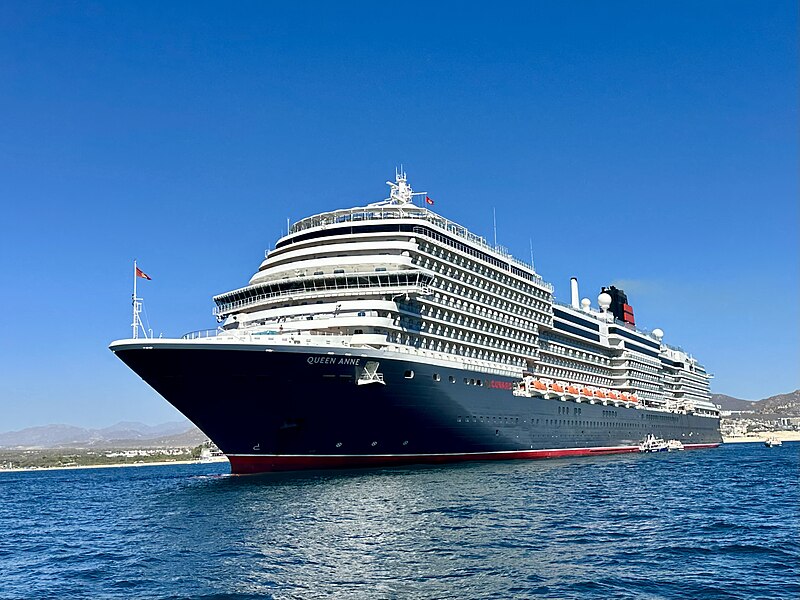
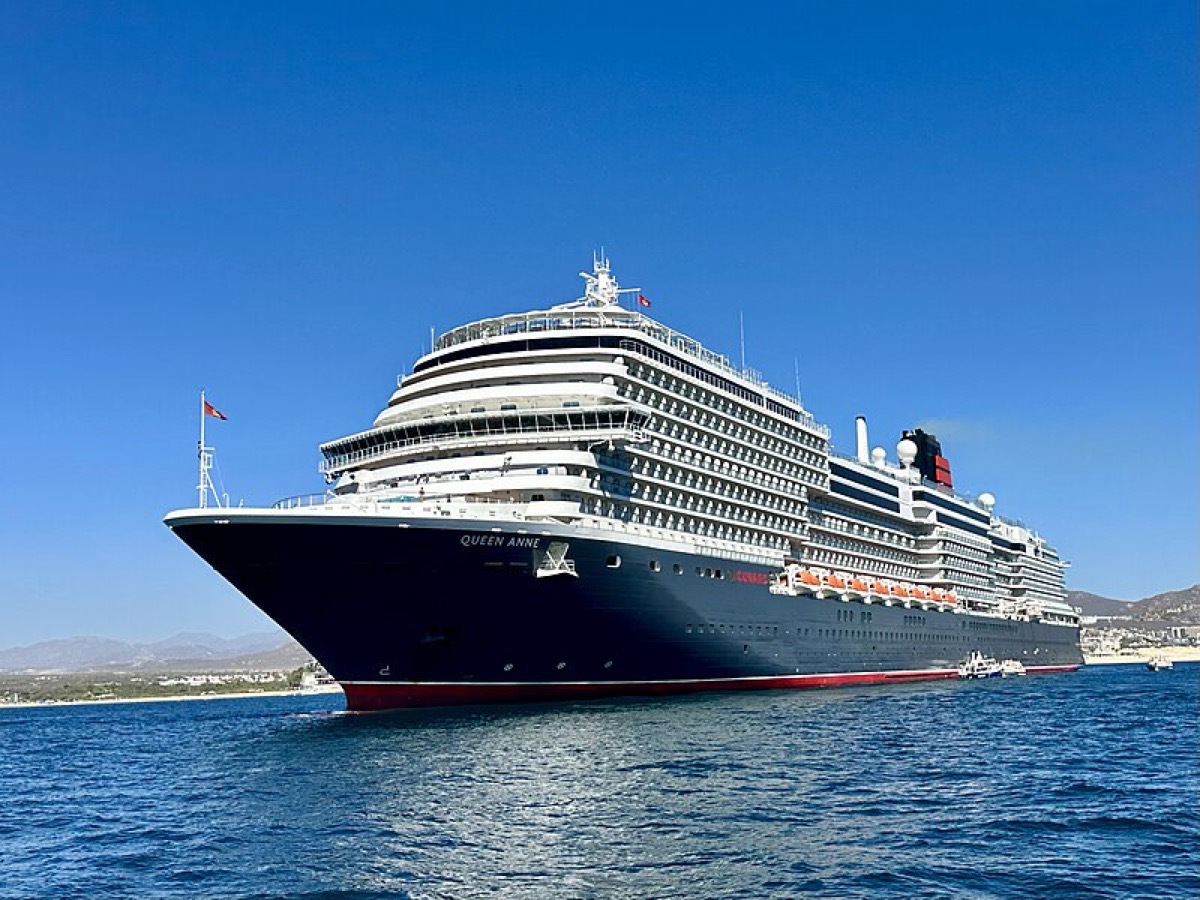
Cunard
Queen Anne
Western Mediterranean & Italian Coast on Queen Anne
Cunard's Newest Queen · White Star Afternoon Tea Included
May 30, 202714 nights4.5
per person$2,750
IncludedVerified Nov 26, 2026 — check current price at Cunard
P&O Cruises
Arvia
14 Night No-Fly Western Mediterranean from Southampton
No-Fly Southampton · Tips Included & GBP Onboard Pricing
May 23, 202714 nights4.4
per person$1,955
+$1,710 extras
Verified Nov 24, 2026 — check current price at P&O Cruises


