October 10
Departure
7
nights
7
ports
$3,799
From
Ask anything about Italian Sojourn & Mediterranean Gems
GoCruiseTravel.com Cruise Data
$543
per night
7
nights
85/100
luxury with nearly everything included
Estimated starting fare — verify with cruise line
GoCruiseTravel.com prices this Viking Vela Italian Sojourn & Mediterranean Gems sailing from $543/night (balcony). 7 nights departing October 10, 2026. Viking Ocean Cruises Perk Score: 85/100 — beer & wine with meals, one excursion per port, Wi-Fi, specialty dining, room service, port shuttles. Compare 5 cabin categories with real pricing data on GoCruiseTravel.com.
What's Included
Wi-Fi
Beer & Wine
1 Excursion/Port
Specialty Dining
Room Service
Port Shuttle
Not included
Gratuities
Flights
Airport Transfers
Insider Tips
Wi-Fi
Speeds can be inconsistent in remote areas. No streaming-tier Wi-Fi is included — you get basic browsing-level connectivity.
All Drinks
Cocktails, spirits, and drinks outside meal times are NOT included. The Silver Spirits upgrade ($27/day + 15% service charge) is required for all-day drinking, and both guests in a stateroom must purchase it.
Port Shuttle
Shuttle availability depends on the port — not all ports have shuttle service. In ports where the dock is close to town, no shuttle is provided.
All Excursions
The included excursion is from a curated list — premium or extended tours cost extra. Popular free excursions sell out quickly, so book early through My Viking Journey.
Gratuities
Viking adds $20/person/day to your shipboard account (for 2026 sailings), plus 15% is automatically added to all bar and beverage tabs. Budget an extra $280/person for a 14-day cruise.
Specialty Dining
The Chef's Table requires advance reservations and has very limited seating (often only one seating per evening). Book immediately upon opening or you may miss out entirely.
Age
All guests must be 18 years or older on embarkation day. No exceptions — Viking will deny boarding to anyone under 18.
General
Viking ships have no casino, no kids' club, and no main-stage production shows. The focus is on cultural enrichment, lectures, and destination immersion.
Tipping
Despite premium positioning, gratuities are not included. The $20/day auto-charge surprises many first-time Viking guests who expect an all-inclusive experience.
Dining
Viking has no formal night dress code, but The Chef's Table and Manfredi's suggest smart casual. No shorts or flip-flops at dinner in any restaurant.
About the Ship
- Hot Tubs
- 2
- Elevators
- 6
- Cabin Voltage
- 110V & 220V
- USB in Cabins
- Yes
- Pets
- Not Allowed
- Service Animals
- Case by Case
- Dress Code
- Smart Casual
- Formal Nights
- No
- Balcony Smoking
- Not Allowed
Accessible Cabins:8
Self-Service LaundryMedical CenterPool LiftWheelchair Rentals
Dietary Options
Gluten-FreeVegan
Your Journey
- DAY1

- DAY2
- DAY3

- DAY4
Day 4
At Sea
- DAY5

- DAY6
- DAY7
- DAY8
Plan your days ashore
Day 3 · Mon, Oct 12 · Naples
N
 Museum
Photo: Wikimedia Commons (Museo Archeologico Nazionale di Napoli - panoramio (1).jpg)
Naples National Archaeological Museum
The world's greatest hoard of Pompeii and Herculaneum finds — mosaics, bronze statues, and frescoes that outlasted the empire that made them. Bring half a day; the Secret Cabinet alone earns the taxi fare.
🕒 9:00–19:30, closed Tue
~1.5 km away
C
 Museum
Photo: Wikimedia Commons (Immagine d'insieme 2, Cappella Sansevero.jpg)
Cappella Sansevero
Tiny 18th-century chapel housing the Veiled Christ — a marble sculpture so impossibly delicate that visitors accused the artist of witchcraft. He was merely a genius. Timed tickets required.
🕒 Mon & Wed–Sat 10:00–18:40; Sun 10:00–14:00; closed Tue
~1.1 km away
C
 Landmark
Photo: Wikimedia Commons (Naples-Castel Nuovo.jpg)
Castel Nuovo
The hulking medieval castle guarding Naples' waterfront since 1279 — you can't miss it walking from the port, and you probably shouldn't try. The Renaissance triumphal arch wedged between its towers is one of Italy's odder design choices.
~1.9 km away
C
 Landmark
Photo: Wikimedia Commons (Castel dell' Ovo.jpg)
Castel dell'Ovo
Naples' oldest castle, built on a tiny islet and named for a magic egg Virgil allegedly buried in its foundations. The egg is still there somewhere; the harbor views and free entry are confirmed.
~3.1 km away
N
 Landmark
Photo: Wikimedia Commons (Naples duomo facade.jpg)
Naples Cathedral
Home to San Gennaro's blood, which liquefies three times a year before crowds that respond with more intensity than most sporting events. The cathedral layers 2,000 years of architecture with cheerful stylistic disregard.
~0.7 km away
R
 Museum
Photo: Wikimedia Commons (Palazzo Reale di Napoli.jpg)
Royal Palace of Naples
Eight dynasties renovated this palace and left their names on the exterior statues; the Bourbon throne room alone contains enough velvet for a small fleet. The piazza it faces is southern Italy's best free attraction.
🕒 Thu–Tue 9:00–20:00
~2.4 km away
C
 Museum
Photo: Wikimedia Commons (Certosa di San Martino from Sant'Elmo.jpg)
Certosa di San Martino
A 14th-century Carthusian monastery on Vomero hill, converted into a museum with a cloister that is arguably the most beautiful in southern Italy. The views of the bay from its terraces are simply unfair.
🕒 Wed–Mon 8:30–19:30
~2.5 km away
C
 Viewpoint
Photo: Wikimedia Commons (Napoli s Elmo da Castel dell'Ovo 1040688.JPG)
Castel Sant'Elmo
A 14th-century star-shaped fortress on Vomero — five minutes from Certosa and considerably less ornate. Its one great talent is a panorama that sweeps from the full bay of Naples to Vesuvius and the Phlegraean islands in a single look.
🕒 Wed–Mon 8:30–19:30
~2.6 km away
S
 Landmark
Photo: Wikimedia Commons (Monastero di SantaChiaraNaples.jpg)
Santa Chiara
14th-century church rebuilt after a 1943 bombing — the Gothic replacement is genuinely better than what was lost. The real draw is the majolica-tiled cloister behind it: yellow and turquoise rural scenes that are inexplicably cheerful.
~1.4 km away
M
 Museum
Photo: Wikimedia Commons (Reggia di Capodimonte 1.JPG)
Museo di Capodimonte
One of Italy's great art museums — Titian, Caravaggio, El Greco — housed in an 18th-century royal palace on a wooded hill north of center. Worth the taxi if you'd rather argue about Raphael than castle views.
🕒 Thu–Tue 8:30–19:30
~2.3 km away
Day 5 · Wed, Oct 14 · Barcelona
S
 Landmark
Photo: Wikimedia Commons (SF maig 2026.jpg)
Sagrada Família
Construction started in 1882; Gaudí took over in 1883 and redirected it entirely — it has now been under construction for over 140 years and still isn't finished. Inside, the stained glass turns sunlight into something that makes atheists go quiet.
🕒 9:00–20:00 (summer); hours vary by season — book timed-entry tickets at sagradafamilia.org
~2.1 km away
P
 Landmark
Photo: Wikimedia Commons (Güell BCN edited.jpg)
Park Güell
The ticketed monumental zone is Gaudí's fever dream in broken ceramic, with city views that make the climb worthwhile. Skip the free outer park unless you want a photo with a costumed dragon.
🕒 9:30–19:30 (varies seasonally); timed-entry tickets required — book at parkguell.barcelona
~3.6 km away
L
 Landmark
Photo: Wikimedia Commons (15-10-27-Vista des de l'estàtua de Colom a Barcelona-WMA 2791.jpg)
La Rambla
A 1.2-kilometre promenade where the city goes to watch tourists watch back — human statues, flower stalls, overpriced coffee. Keep a hand on your wallet and enjoy it anyway; the energy is real.
~0.4 km away
B
 Landmark
Photo: Wikimedia Commons (Barcelona Cathedral Saint Eulalia.jpg)
Barcelona Cathedral
Free to enter in the early morning, ticketed after noon; the cloister houses 13 geese that nobody can satisfactorily explain. The surrounding Gothic Quarter lanes are better walked than read about.
🕒 Daily; free until ~12:30, paid admission 12:30–17:30 (check cathedral website for current times)
~0.3 km away
S
 Landmark
Photo: Wikimedia Commons (Santa Maria del Mar, Barcelona 05.jpg)
Santa Maria del Mar
Built in 54 years by the dock workers of the neighbourhood — unusually fast for Gothic at that scale, and many argue more beautiful than the Cathedral across town. El Born around it is the most rewarding hour you can spend off the ship.
🕒 Mon–Sat 9:00–20:30, Sun 10:00–20:00 (may close briefly for services; check santamariadelmarbarcelona.org)
~0.7 km away
M
 Museum
Photo: Wikimedia Commons (Palau Berenguer d'Aguilar.jpg)
Museu Picasso
Five medieval palaces stitched together hold 4,000 works that prove Picasso could draw normally before he decided not to. Book ahead; it closes Mondays, which is inconvenient if that's your port day.
🕒 Tue–Sun 10:00–19:00; closed Mon (check museupicasso.bcn.cat for current hours)
~0.6 km away
B
 Beach
BeachPhoto: Wikimedia Commons (Barcelona (16877599244).jpg)
Barceloneta Beach
Barcelona's main city beach is a 15-minute walk from the Gothic Quarter, backed by restaurants that will charge you €18 for paella without apology. The water is clean; the crowds are honest.
~1.8 km away
M
 Museum
Photo: Wikimedia Commons (WLM14ES - Palau Nacional i seu del MNAC de Barcelona - MARIA ROSA FERRE.jpg)
Museu Nacional d'Art de Catalunya
The domed palace atop Montjuïc was built for the 1929 World Expo and now holds what many consider Europe's finest Romanesque art collection, rescued from crumbling Pyrenean chapels. The view from the steps is free.
🕒 Tue–Sat 10:00–18:00, Sun 10:00–15:00; closed Mon
~2.5 km away
F
 Museum
Photo: Wikimedia Commons (Fundació Miró.JPG)
Fundació Joan Miró
Architect Josep Lluís Sert designed this bright white building specifically to house Miró's work — natural light falls exactly where Miró wanted it. Primary colors, bold shapes, and a courtyard that rewards those who skip the audio guide.
🕒 Tue–Sun 10:00–18:00 (until 20:00 Jul–Sep); closed Mon
~2.1 km away
M
 Viewpoint
Photo: Wikimedia Commons (Κάστρο Μονζουίκ 3231 - 3233.jpg)
Montjuïc Castle
A 17th-century fortress that spent most of its history being used against the city it overlooks; Barcelona has since repurposed it as the best viewpoint for the harbour and sea. A certain irony, done correctly.
🕒 Daily ~10:00–18:00 (extended summer hours; check bcn.cat for current times)
~2.5 km away
P
 Nature
Photo: Wikimedia Commons (Vista aèria Ciutadella 1960.jpg)
Parc de la Ciutadella
Barcelona's main city park and site of the 1888 Universal Exposition; the young Gaudí helped design the cascade fountain here before mosaics became his entire personality. A good bridge between the waterfront and El Born.
~1.2 km away
M
 Museum
Photo: Wikimedia Commons (Drassanes barcelona.jpg)
Museu Marítim de Barcelona
Housed in the city's original 14th-century royal shipyards — vast Gothic stone halls where full-size war galleys were actually built. Arriving by cruise ship and walking into a medieval shipyard has an accidental poetry to it.
🕒 Tue–Sun 10:00–20:00; closed Mon
~1.1 km away
Day 6 · Thu, Oct 15 · Barcelona
S
LandmarkPhoto: Wikimedia Commons (SF maig 2026.jpg)
Sagrada Família
Construction started in 1882; Gaudí took over in 1883 and redirected it entirely — it has now been under construction for over 140 years and still isn't finished. Inside, the stained glass turns sunlight into something that makes atheists go quiet.
🕒 9:00–20:00 (summer); hours vary by season — book timed-entry tickets at sagradafamilia.org
~2.1 km away
P
LandmarkPhoto: Wikimedia Commons (Güell BCN edited.jpg)
Park Güell
The ticketed monumental zone is Gaudí's fever dream in broken ceramic, with city views that make the climb worthwhile. Skip the free outer park unless you want a photo with a costumed dragon.
🕒 9:30–19:30 (varies seasonally); timed-entry tickets required — book at parkguell.barcelona
~3.6 km away
L
LandmarkPhoto: Wikimedia Commons (15-10-27-Vista des de l'estàtua de Colom a Barcelona-WMA 2791.jpg)
La Rambla
A 1.2-kilometre promenade where the city goes to watch tourists watch back — human statues, flower stalls, overpriced coffee. Keep a hand on your wallet and enjoy it anyway; the energy is real.
~0.4 km away
B
LandmarkPhoto: Wikimedia Commons (Barcelona Cathedral Saint Eulalia.jpg)
Barcelona Cathedral
Free to enter in the early morning, ticketed after noon; the cloister houses 13 geese that nobody can satisfactorily explain. The surrounding Gothic Quarter lanes are better walked than read about.
🕒 Daily; free until ~12:30, paid admission 12:30–17:30 (check cathedral website for current times)
~0.3 km away
S
LandmarkPhoto: Wikimedia Commons (Santa Maria del Mar, Barcelona 05.jpg)
Santa Maria del Mar
Built in 54 years by the dock workers of the neighbourhood — unusually fast for Gothic at that scale, and many argue more beautiful than the Cathedral across town. El Born around it is the most rewarding hour you can spend off the ship.
🕒 Mon–Sat 9:00–20:30, Sun 10:00–20:00 (may close briefly for services; check santamariadelmarbarcelona.org)
~0.7 km away
M
MuseumPhoto: Wikimedia Commons (Palau Berenguer d'Aguilar.jpg)
Museu Picasso
Five medieval palaces stitched together hold 4,000 works that prove Picasso could draw normally before he decided not to. Book ahead; it closes Mondays, which is inconvenient if that's your port day.
🕒 Tue–Sun 10:00–19:00; closed Mon (check museupicasso.bcn.cat for current hours)
~0.6 km away
B
BeachPhoto: Wikimedia Commons (Barcelona (16877599244).jpg)
Barceloneta Beach
Barcelona's main city beach is a 15-minute walk from the Gothic Quarter, backed by restaurants that will charge you €18 for paella without apology. The water is clean; the crowds are honest.
~1.8 km away
M
MuseumPhoto: Wikimedia Commons (WLM14ES - Palau Nacional i seu del MNAC de Barcelona - MARIA ROSA FERRE.jpg)
Museu Nacional d'Art de Catalunya
The domed palace atop Montjuïc was built for the 1929 World Expo and now holds what many consider Europe's finest Romanesque art collection, rescued from crumbling Pyrenean chapels. The view from the steps is free.
🕒 Tue–Sat 10:00–18:00, Sun 10:00–15:00; closed Mon
~2.5 km away
F
MuseumPhoto: Wikimedia Commons (Fundació Miró.JPG)
Fundació Joan Miró
Architect Josep Lluís Sert designed this bright white building specifically to house Miró's work — natural light falls exactly where Miró wanted it. Primary colors, bold shapes, and a courtyard that rewards those who skip the audio guide.
🕒 Tue–Sun 10:00–18:00 (until 20:00 Jul–Sep); closed Mon
~2.1 km away
M
ViewpointPhoto: Wikimedia Commons (Κάστρο Μονζουίκ 3231 - 3233.jpg)
Montjuïc Castle
A 17th-century fortress that spent most of its history being used against the city it overlooks; Barcelona has since repurposed it as the best viewpoint for the harbour and sea. A certain irony, done correctly.
🕒 Daily ~10:00–18:00 (extended summer hours; check bcn.cat for current times)
~2.5 km away
P
NaturePhoto: Wikimedia Commons (Vista aèria Ciutadella 1960.jpg)
Parc de la Ciutadella
Barcelona's main city park and site of the 1888 Universal Exposition; the young Gaudí helped design the cascade fountain here before mosaics became his entire personality. A good bridge between the waterfront and El Born.
~1.2 km away
M
MuseumPhoto: Wikimedia Commons (Drassanes barcelona.jpg)
Museu Marítim de Barcelona
Housed in the city's original 14th-century royal shipyards — vast Gothic stone halls where full-size war galleys were actually built. Arriving by cruise ship and walking into a medieval shipyard has an accidental poetry to it.
🕒 Tue–Sun 10:00–20:00; closed Mon
~1.1 km away
Day 7 · Fri, Oct 16 · Barcelona
S
LandmarkPhoto: Wikimedia Commons (SF maig 2026.jpg)
Sagrada Família
Construction started in 1882; Gaudí took over in 1883 and redirected it entirely — it has now been under construction for over 140 years and still isn't finished. Inside, the stained glass turns sunlight into something that makes atheists go quiet.
🕒 9:00–20:00 (summer); hours vary by season — book timed-entry tickets at sagradafamilia.org
~2.1 km away
P
LandmarkPhoto: Wikimedia Commons (Güell BCN edited.jpg)
Park Güell
The ticketed monumental zone is Gaudí's fever dream in broken ceramic, with city views that make the climb worthwhile. Skip the free outer park unless you want a photo with a costumed dragon.
🕒 9:30–19:30 (varies seasonally); timed-entry tickets required — book at parkguell.barcelona
~3.6 km away
L
LandmarkPhoto: Wikimedia Commons (15-10-27-Vista des de l'estàtua de Colom a Barcelona-WMA 2791.jpg)
La Rambla
A 1.2-kilometre promenade where the city goes to watch tourists watch back — human statues, flower stalls, overpriced coffee. Keep a hand on your wallet and enjoy it anyway; the energy is real.
~0.4 km away
B
LandmarkPhoto: Wikimedia Commons (Barcelona Cathedral Saint Eulalia.jpg)
Barcelona Cathedral
Free to enter in the early morning, ticketed after noon; the cloister houses 13 geese that nobody can satisfactorily explain. The surrounding Gothic Quarter lanes are better walked than read about.
🕒 Daily; free until ~12:30, paid admission 12:30–17:30 (check cathedral website for current times)
~0.3 km away
S
LandmarkPhoto: Wikimedia Commons (Santa Maria del Mar, Barcelona 05.jpg)
Santa Maria del Mar
Built in 54 years by the dock workers of the neighbourhood — unusually fast for Gothic at that scale, and many argue more beautiful than the Cathedral across town. El Born around it is the most rewarding hour you can spend off the ship.
🕒 Mon–Sat 9:00–20:30, Sun 10:00–20:00 (may close briefly for services; check santamariadelmarbarcelona.org)
~0.7 km away
M
MuseumPhoto: Wikimedia Commons (Palau Berenguer d'Aguilar.jpg)
Museu Picasso
Five medieval palaces stitched together hold 4,000 works that prove Picasso could draw normally before he decided not to. Book ahead; it closes Mondays, which is inconvenient if that's your port day.
🕒 Tue–Sun 10:00–19:00; closed Mon (check museupicasso.bcn.cat for current hours)
~0.6 km away
B
BeachPhoto: Wikimedia Commons (Barcelona (16877599244).jpg)
Barceloneta Beach
Barcelona's main city beach is a 15-minute walk from the Gothic Quarter, backed by restaurants that will charge you €18 for paella without apology. The water is clean; the crowds are honest.
~1.8 km away
M
MuseumPhoto: Wikimedia Commons (WLM14ES - Palau Nacional i seu del MNAC de Barcelona - MARIA ROSA FERRE.jpg)
Museu Nacional d'Art de Catalunya
The domed palace atop Montjuïc was built for the 1929 World Expo and now holds what many consider Europe's finest Romanesque art collection, rescued from crumbling Pyrenean chapels. The view from the steps is free.
🕒 Tue–Sat 10:00–18:00, Sun 10:00–15:00; closed Mon
~2.5 km away
F
MuseumPhoto: Wikimedia Commons (Fundació Miró.JPG)
Fundació Joan Miró
Architect Josep Lluís Sert designed this bright white building specifically to house Miró's work — natural light falls exactly where Miró wanted it. Primary colors, bold shapes, and a courtyard that rewards those who skip the audio guide.
🕒 Tue–Sun 10:00–18:00 (until 20:00 Jul–Sep); closed Mon
~2.1 km away
M
ViewpointPhoto: Wikimedia Commons (Κάστρο Μονζουίκ 3231 - 3233.jpg)
Montjuïc Castle
A 17th-century fortress that spent most of its history being used against the city it overlooks; Barcelona has since repurposed it as the best viewpoint for the harbour and sea. A certain irony, done correctly.
🕒 Daily ~10:00–18:00 (extended summer hours; check bcn.cat for current times)
~2.5 km away
P
NaturePhoto: Wikimedia Commons (Vista aèria Ciutadella 1960.jpg)
Parc de la Ciutadella
Barcelona's main city park and site of the 1888 Universal Exposition; the young Gaudí helped design the cascade fountain here before mosaics became his entire personality. A good bridge between the waterfront and El Born.
~1.2 km away
M
MuseumPhoto: Wikimedia Commons (Drassanes barcelona.jpg)
Museu Marítim de Barcelona
Housed in the city's original 14th-century royal shipyards — vast Gothic stone halls where full-size war galleys were actually built. Arriving by cruise ship and walking into a medieval shipyard has an accidental poetry to it.
🕒 Tue–Sun 10:00–20:00; closed Mon
~1.1 km away
Day 8 · Sat, Oct 17 · Barcelona
S
LandmarkPhoto: Wikimedia Commons (SF maig 2026.jpg)
Sagrada Família
Construction started in 1882; Gaudí took over in 1883 and redirected it entirely — it has now been under construction for over 140 years and still isn't finished. Inside, the stained glass turns sunlight into something that makes atheists go quiet.
🕒 9:00–20:00 (summer); hours vary by season — book timed-entry tickets at sagradafamilia.org
~2.1 km away
P
LandmarkPhoto: Wikimedia Commons (Güell BCN edited.jpg)
Park Güell
The ticketed monumental zone is Gaudí's fever dream in broken ceramic, with city views that make the climb worthwhile. Skip the free outer park unless you want a photo with a costumed dragon.
🕒 9:30–19:30 (varies seasonally); timed-entry tickets required — book at parkguell.barcelona
~3.6 km away
L
LandmarkPhoto: Wikimedia Commons (15-10-27-Vista des de l'estàtua de Colom a Barcelona-WMA 2791.jpg)
La Rambla
A 1.2-kilometre promenade where the city goes to watch tourists watch back — human statues, flower stalls, overpriced coffee. Keep a hand on your wallet and enjoy it anyway; the energy is real.
~0.4 km away
B
LandmarkPhoto: Wikimedia Commons (Barcelona Cathedral Saint Eulalia.jpg)
Barcelona Cathedral
Free to enter in the early morning, ticketed after noon; the cloister houses 13 geese that nobody can satisfactorily explain. The surrounding Gothic Quarter lanes are better walked than read about.
🕒 Daily; free until ~12:30, paid admission 12:30–17:30 (check cathedral website for current times)
~0.3 km away
S
LandmarkPhoto: Wikimedia Commons (Santa Maria del Mar, Barcelona 05.jpg)
Santa Maria del Mar
Built in 54 years by the dock workers of the neighbourhood — unusually fast for Gothic at that scale, and many argue more beautiful than the Cathedral across town. El Born around it is the most rewarding hour you can spend off the ship.
🕒 Mon–Sat 9:00–20:30, Sun 10:00–20:00 (may close briefly for services; check santamariadelmarbarcelona.org)
~0.7 km away
M
MuseumPhoto: Wikimedia Commons (Palau Berenguer d'Aguilar.jpg)
Museu Picasso
Five medieval palaces stitched together hold 4,000 works that prove Picasso could draw normally before he decided not to. Book ahead; it closes Mondays, which is inconvenient if that's your port day.
🕒 Tue–Sun 10:00–19:00; closed Mon (check museupicasso.bcn.cat for current hours)
~0.6 km away
B
BeachPhoto: Wikimedia Commons (Barcelona (16877599244).jpg)
Barceloneta Beach
Barcelona's main city beach is a 15-minute walk from the Gothic Quarter, backed by restaurants that will charge you €18 for paella without apology. The water is clean; the crowds are honest.
~1.8 km away
M
MuseumPhoto: Wikimedia Commons (WLM14ES - Palau Nacional i seu del MNAC de Barcelona - MARIA ROSA FERRE.jpg)
Museu Nacional d'Art de Catalunya
The domed palace atop Montjuïc was built for the 1929 World Expo and now holds what many consider Europe's finest Romanesque art collection, rescued from crumbling Pyrenean chapels. The view from the steps is free.
🕒 Tue–Sat 10:00–18:00, Sun 10:00–15:00; closed Mon
~2.5 km away
F
MuseumPhoto: Wikimedia Commons (Fundació Miró.JPG)
Fundació Joan Miró
Architect Josep Lluís Sert designed this bright white building specifically to house Miró's work — natural light falls exactly where Miró wanted it. Primary colors, bold shapes, and a courtyard that rewards those who skip the audio guide.
🕒 Tue–Sun 10:00–18:00 (until 20:00 Jul–Sep); closed Mon
~2.1 km away
M
ViewpointPhoto: Wikimedia Commons (Κάστρο Μονζουίκ 3231 - 3233.jpg)
Montjuïc Castle
A 17th-century fortress that spent most of its history being used against the city it overlooks; Barcelona has since repurposed it as the best viewpoint for the harbour and sea. A certain irony, done correctly.
🕒 Daily ~10:00–18:00 (extended summer hours; check bcn.cat for current times)
~2.5 km away
P
NaturePhoto: Wikimedia Commons (Vista aèria Ciutadella 1960.jpg)
Parc de la Ciutadella
Barcelona's main city park and site of the 1888 Universal Exposition; the young Gaudí helped design the cascade fountain here before mosaics became his entire personality. A good bridge between the waterfront and El Born.
~1.2 km away
M
MuseumPhoto: Wikimedia Commons (Drassanes barcelona.jpg)
Museu Marítim de Barcelona
Housed in the city's original 14th-century royal shipyards — vast Gothic stone halls where full-size war galleys were actually built. Arriving by cruise ship and walking into a medieval shipyard has an accidental poetry to it.
🕒 Tue–Sun 10:00–20:00; closed Mon
~1.1 km away
Before you sail — hotels in Civitavecchia
Arrive a day early and explore Civitavecchia before boarding
Find hotels on Booking.comSponsored
Cabin Pricing
Estimated starting fare — verify with cruise line
True All-In Cost Breakdown
Cruise fares only advertise the cabin. We calculate what this voyage actually costs once mandatory gratuities, drinks, Wi-Fi, and port excursions are included.
Headline Fare
$3,799per person
$543/night base fare
True All-In Cost7 7 nights
$3,918per person
$560/night true cost
The All-In Gap:+$119 in onboard extras (+3%)
7 nights · 7 portsTrue All-In Cost Breakdown
Crew Appreciation & GratuitiesLine-cited policy
Daily mandatory service charge added to onboard folio
$17/day × 7 nights
+$119
Beverage Package Allowance
Standard all-inclusive drinks package (cocktails, wine, coffee)
Included in Fare
Included
Wi-Fi Internet Access
Single-device satellite internet connection
Included in Fare
Included
Shore Excursions (1 per port)
One classic guided excursion per port of call
Included in Fare
Included
At a glance
4.9
Ship rating
Slightly expanded next-generation Viking ocean build by Fincantieri with increased beam, 499 staterooms, Aquavit Terrace, and enhanced hydrodynamics for quiet, efficient cruising.
Who sails this line
Typical age
55+
Primary markets
US · UK · CA · AU
Onboard languages
en
Kids onboard
Uncommon — adult-leaning atmosphere
You Might Also Like
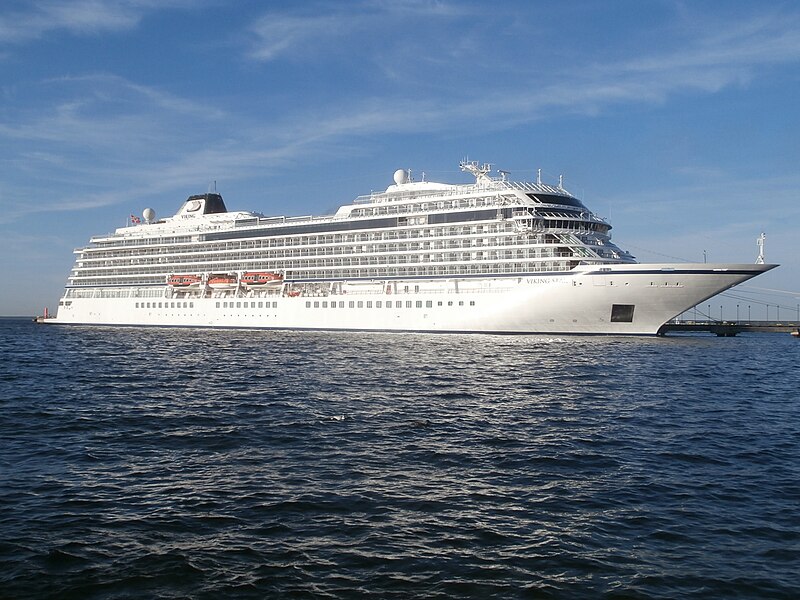
Viking Ocean Cruises
Viking Star
7 Night Iconic Western Mediterranean
Viking Inclusive Value: Beer/Wine with Lunch & Dinner + Wi-Fi + Shore Excursion in Every Port
Oct 4, 20267 nights4.8
per person$2,799
+$371 extras
Verified Sep 21, 2026 — check current price at Viking Ocean Cruises
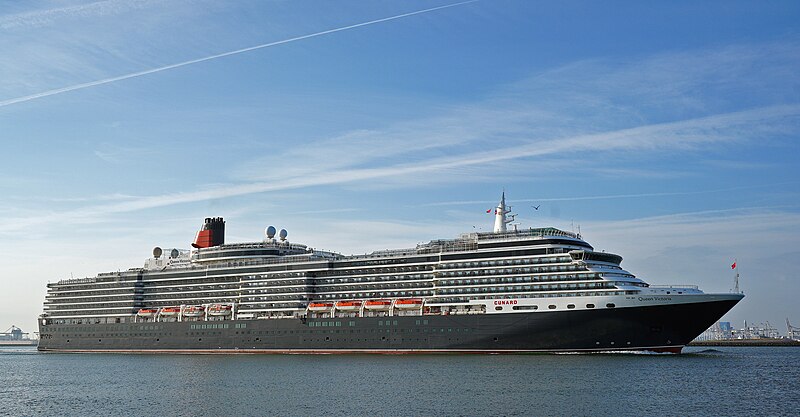
Cunard
Queen Victoria
Western Mediterranean Tapestry
Apr 18, 20277 nights4.2
per person$2,299
IncludedEstimated starting fare — verify with cruise line
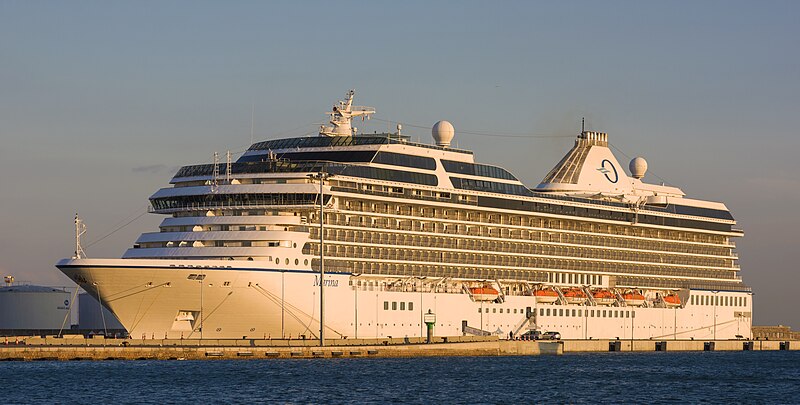
Oceania Cruises
Marina
Japan Highlights
Oct 25, 20268 nights4.5
per person$4,062
+$1,030 extras
Estimated starting fare — verify with cruise line
Related Guides

destination
Filmed Here: The Korea Cruise for Squid Game, BTS, and K-Drama Fans

destination
Filmed Here: White Lotus Thailand — Your Cruise Gets Within 700km

destination