There is a particular kind of person who, upon learning that a total solar eclipse will pass directly over the North Atlantic on August 12, 2026, immediately thinks: I should watch that from a ship.
This person is either very clever or slightly mad. Possibly both.
The clever part: a ship can position itself with a precision that no land-based viewer can match. When cloud cover rolls in over Reykjavik — and given Iceland's reputation, it will try — a ship can maneuver ten or twenty miles to find a gap. The eclipse path at sea is wide, the ocean is open, and you are not anchored to a hotel reservation in a specific town. You are on a floating platform that, in theory, goes where the captain points it.
The slightly mad part: you have paid somewhere between $3,000 and $25,000 per person to watch the sun disappear for a maximum of two minutes and eighteen seconds. The weather may not cooperate. The deck may be crowded. And when totality ends, you will have another twelve to fourteen days of cruise itinerary to fill before anyone lets you off the ship.
If this sounds appealing — and for a certain type of traveler, it absolutely does — here is everything you need to know.
The 2026 Eclipse: Path, Timing, and What Makes It Unusual
The total solar eclipse of August 12, 2026 belongs to Saros 126. Its shadow cuts across Siberia, across the Greenland ice cap, down the western coast of Iceland, then makes a long diagonal run across the North Atlantic before hitting the northern coast of Spain and tracking southeast to the Balearic Islands and the Mediterranean.
A few things distinguish this eclipse from recent events:
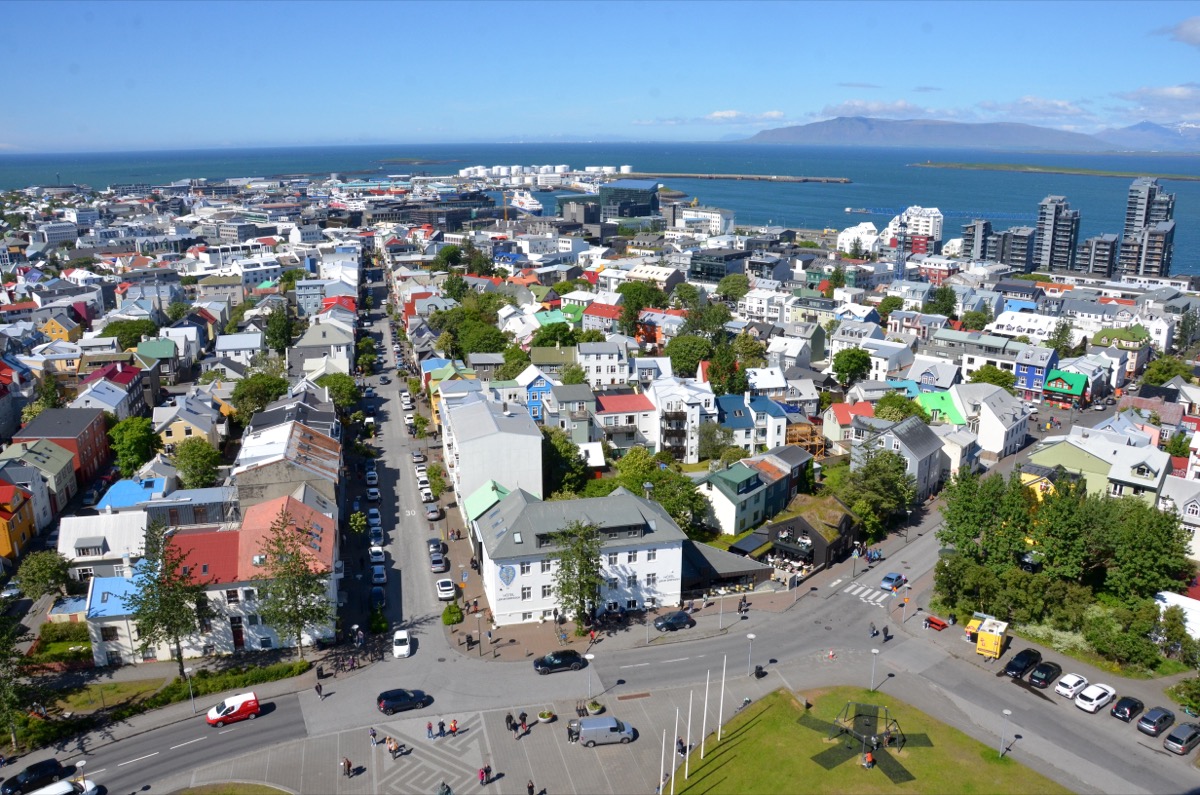
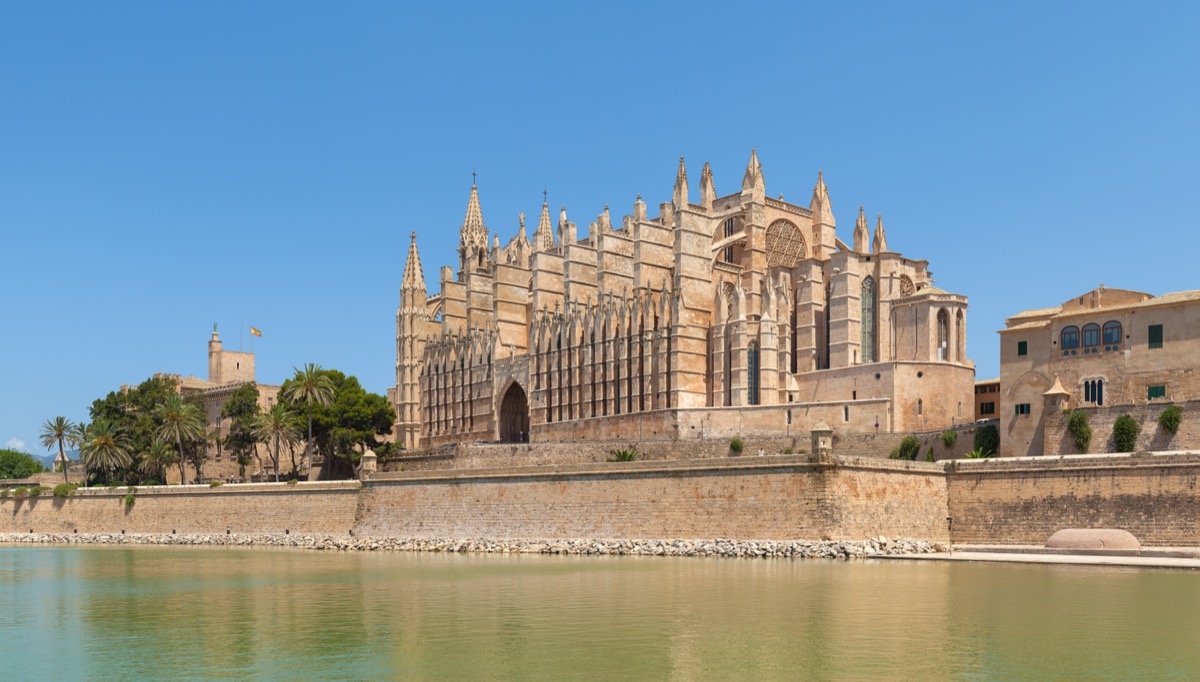
The path is mostly water. Roughly two-thirds of the totality path crosses open ocean, which is simultaneously why ships are so well-positioned to observe it and why weather risk is elevated. There is no urban infrastructure in the middle of the Atlantic. The best land-based viewing locations are the remote west coast of Iceland (particularly the Látrabjarg cliffs, where totality lasts approximately 2 minutes 13 seconds), the cities of A Coruña, Bilbao, Zaragoza, and Valencia in Spain, and the Balearic Islands including Palma de Mallorca.
Maximum totality is 2 minutes and 18 seconds. That is the mathematical peak, occurring at a point at sea between Iceland and Spain. Neither the Arctic ships nor the Mediterranean ships will see quite this maximum — Iceland viewers get roughly 2:13, Spanish coast observers around 1:30 to 2:00 depending on location, and the Balearics slightly less. The differences between positions are real but not dramatic; you are not choosing between a spectacular eclipse and a mediocre one. You are choosing between a spectacular eclipse and a slightly less spectacular eclipse.
It is Iceland's first total solar eclipse since June 30, 1954 — the only total solar eclipse in Iceland during the 21st century.
Weather is the dominant variable. The eclipsophile community's assessment is blunt: this eclipse is "born and raised in cloud." Iceland sees average cloud cover of 70 to 80 percent in August. Open ocean fares worse — 80 to 90 percent. The Mediterranean end of the path, by contrast, benefits from Spain's characteristically sunny summer and offers considerably better odds of clear skies. Ships in the Balearic Sea on August 12 have a materially better statistical chance of seeing the event than ships positioned off Ireland or Iceland. This is not a minor footnote. It should influence your choice.
Greenland is the interesting exception. The Scoresby Sound (Scoresbysund) fjord system, the world's largest, benefits from katabatic winds — air that pours off the ice cap, dries out, and warms as it descends, creating a surprisingly sunny microclimate. Satellite data shows better than a 70 percent chance of clear skies from the fjord. The ships capable of getting there are expedition vessels, not cruise liners, but they deserve mention.
Every Major Eclipse Cruise Sailing Compared
The following table covers the principal offerings from mainstream and luxury cruise lines. Prices are starting-cabin published rates and change frequently — treat them as rough orientation rather than booking quotes.
| Cruise Line | Ship | Departure | Date | Duration | Eclipse Region | Starting Price |
|---|---|---|---|---|---|---|
| Princess Cruises | Sun Princess | Civitavecchia (Rome) | Jul 25 | 14 days | Spain / Mediterranean (Rome to Barcelona) | ~$3,742 |
| Princess Cruises | Sun Princess | Civitavecchia (Rome) | Jul 26 | 21 days | Spain / Mediterranean (roundtrip Rome) | [VERIFY current price] |
| Princess Cruises | Sky Princess | Southampton | Aug 8 | 14 days | Spain / North Atlantic | [VERIFY current price] |
| Princess Cruises | Enchanted Princess | Civitavecchia (Rome) | Aug 4 | 14 days | Spain / Mediterranean | [VERIFY current price] |
| Holland America | Zuiderdam | Boston | Jul 18 | 35 days | Iceland / Greenland | ~$9,109 |
| Holland America | Nieuw Statendam | Rotterdam / Dover | Jul 25 | 28 days | Iceland / Scotland | [VERIFY current price] |
| Holland America | Oosterdam | Lisbon | Aug 9 | 13 days | Spain / Mediterranean | [VERIFY current price] |
| Celebrity Cruises | Celebrity Apex | Southampton | Aug 1 | 14 days | Spain / N. Atlantic | ~$3,316 |
| Celebrity Cruises | Celebrity Silhouette | Reykjavik | Aug 8 | 7 days | Iceland | [VERIFY current price] |
| Oceania Cruises | Marina | Copenhagen | Jul 30 | 14 days | Iceland (100% totality) | [VERIFY current price] |
| Oceania Cruises | Insignia | Reykjavik | Aug 3 | 12 days | Ireland (97% totality) | [VERIFY current price] |
| Oceania Cruises | Vista | Southampton | Aug 2 | 25 days | Ireland / Belfast area | [VERIFY current price] |
| Oceania Cruises | Sirena | Southampton | Aug 5 | 12 days | Spain / Portugal (94% totality) | [VERIFY current price] |
| Cunard | Queen Mary 2 | Southampton | Aug 4 | 14 days | Iceland (Reykjavik overnight Aug 12, ends New York) | ~$5,009 |
| Cunard | Queen Anne | Southampton | Aug 9 | 7 days | Spain / France | [VERIFY current price] |
| Cunard | Queen Victoria | Civitavecchia | Aug 10 | 7 days | Spain (Tarragona) | [VERIFY current price] |
| Seabourn | Seabourn Ovation | Dover | Aug 8 | 14 days | Ireland / Iceland | [VERIFY current price] |
| Seabourn | Seabourn Sojourn | Barcelona | Aug 7 | 10 days | Spain / Balearic Sea | [VERIFY current price] |
| Silversea | Silver Shadow | Nice | Aug 6 | 12 days | Balearic Sea | [VERIFY current price] |
| Viking | — | — | — | — | No dedicated eclipse sailing announced (as of Apr 2026) | — |
| Virgin Voyages | Valiant Lady | Portsmouth | Aug 5 | 15 days | Iceland / Scotland | ~$3,735 |
| Royal Caribbean | Liberty of the Seas | Southampton | Aug 7 | 9 days | Northern Europe | ~$2,245 (fluctuates) |
Note: "totality percentage" figures from Oceania reflect the ship's stated position within or near the path of totality. Prices are per-person starting rates and subject to change. Always verify current positioning and eclipse guarantees directly with the cruise line before booking.
Cruise Line by Cruise Line: Honest Assessment
Princess Cruises — Three Ships, Good Value, Festive Atmosphere
Princess is offering the most sailings of any major cruise line — three ships, all focused on the Spanish Mediterranean end of the path. This is actually the correct strategic choice: Spain has statistically better weather odds than Iceland in August.
The Enchanted Princess (round-trip Rome, 14 days, August 4 departure) and the Sun Princess (Barcelona / Civitavecchia, multiple 7-21 day options from July 25) both position off the eastern coast of Spain for the eclipse. The Sky Princess (round-trip Southampton, 14 days, August 8) takes a northern route through the Atlantic and Spain.
The onboard experience includes astronomy lectures, themed foods and drinks, and Princess-branded eclipse glasses. Princess does this well — they have done it before and have an operational playbook. The ship will be crowded on the viewing deck and the organized programming leans toward the enthusiastic rather than the scientific, but you will be in good company.
The honest tradeoff: Princess ships are large. Finding a clear sightline on a top deck with several thousand other passengers all trying to view the same event requires either early positioning or an elevated vantage point. Suite-class guests on Princess have dedicated areas that will be considerably less hectic.
Best for: Travelers who want eclipse-plus-cruise-holiday and are comfortable with a mainstream ship experience.
Holland America — Three Ships, Serious Astronomy Programming, Premium Duration
Holland America's three eclipse sailings span two very different eclipse regions. The Zuiderdam (Boston, 35 days, July 18) is a proper Viking voyage that positions off Iceland's northwest coast in the path of totality. The Nieuw Statendam (Rotterdam/Dover, 28 days, July 25) does a comprehensive Scandinavian and Greenland routing before reaching the eclipse viewing position near Iceland. The Oosterdam (Lisbon, 13 days, August 9) takes the Mediterranean approach, positioning off Spain's coast.
Holland America has invested meaningfully in the educational dimension. They recruited Professor Adam Burgasser from UC San Diego for the Mediterranean sailing and Tom Vassos (former University of Toronto) for the northern voyages, both delivering dedicated astronomy programming. The Holland America demographic — experienced travelers, older average age, preference for substance over spectacle — maps well to the eclipse audience.
The long voyages (35 and 28 days) are unusual commitments for an eclipse. You are essentially building a cruise around a single morning event. Many passengers on the Zuiderdam or Nieuw Statendam will be there for the Greenland and Iceland destinations themselves; the eclipse is a magnificent bonus. This is actually a psychologically healthy way to approach the trip — it protects you from disappointment if clouds intervene.
Best for: Travelers planning an extended North Atlantic or Greenland itinerary who want serious astronomy enrichment.
Celebrity Cruises — Two Itineraries, Different Approaches
Celebrity is offering a 14-night round-trip from Southampton aboard Celebrity Apex (departing August 1), which routes through Spain and Portugal and positions in the Cantabrian Sea — northern Spain's coast — for the eclipse. There is also a 7-night Iceland sailing aboard Celebrity Silhouette from Reykjavik (August 8) for viewing from the North Atlantic.
The Apex is Celebrity's Edge-class ship and has excellent outdoor spaces on the highest decks, including the Magic Carpet — an elevated deck that extends over the ship's side at various heights. Whether the Magic Carpet will be deployed at eclipse-viewing height on August 12 is a detail worth confirming.
Celebrity positions itself between mainstream and premium, with a design-forward product and a somewhat younger average demographic than Holland America or Cunard. The eclipses programming will likely be competent if not as deeply curated as specialist operators.
Best for: Travelers who want a premium-leaning product without fully crossing into ultra-luxury pricing.
Oceania Cruises — Five Sailings, Best Coverage of the Path
Oceania announced five eclipse sailings, more than any other cruise line, spanning both the Iceland/Greenland end and the Spanish Mediterranean. The flagship offering is Marina's "Sailing in the Path of 100 Percent Totality" (Copenhagen to Reykjavik, 14 days, July 30), which will view the eclipse while departing Grundarfjordur on Iceland's Snæfellsnes Peninsula — one of the better land-adjacent positions on the path.
Insignia (Reykjavik to Southampton, 12 days, August 3) claims 97 percent totality, viewing from near Ireland. Sirena (Southampton to Barcelona, 12 days, August 5) positions off Lisbon at 94 percent totality. Vista (round-trip Southampton, 25 days, August 2) views from the Belfast area at 93 percent totality.
The percentage figures Oceania cites refer to the depth of totality at the ship's projected eclipse-day position. "97 percent totality" means the ship is inside the path of totality but not at its centerline — the eclipse duration will be shorter than the maximum but still a complete totality event.
Oceania's ship sizes are notably smaller than mainstream lines (650-1,250 passengers), which means the top decks will be less catastrophically crowded. The culinary standards are excellent. The onboard programming includes NASA ambassadors and astronomers.
Best for: Travelers who prioritize a smaller ship with genuine culinary credibility and want multiple itinerary options across both eclipse zones.
Cunard — Three Ships, British Character, Mixed Eclipse Positioning
Cunard is doing something slightly unusual: three ships, three very different eclipse situations.
Queen Mary 2 (Southampton, 14 days, August 4, ending in New York) will be overnighting in Reykjavik on August 12. This is genuinely convenient — the eclipse occurs in Iceland at approximately 5:48 PM local time (partial phases 4:47–6:47 PM) — but viewing from port is different from viewing at sea. You will be surrounded by all the infrastructure of Reykjavik, which will itself be hosting enormous crowds. The QM2's advantage is that she can tender passengers or provide deck viewing well above city level. Cunard has not specified whether QM2 will position at sea for the eclipse or remain in port.
Queen Victoria will be in Tarragona, Spain, on August 12 — a docked position. Spain is a good location for eclipse clarity, and Tarragona is within the path of totality. Viewing from a ship in port is the least flexible scenario: you cannot maneuver to chase clear skies.
Queen Anne (Southampton, 7 nights, August 9) is the most economical Cunard option, routing through Spain and France.
The Cunard experience is consistently well-executed — formal dress codes, the library, the White Star Service ethos — but from an eclipse-optimization standpoint, the two ships in port on eclipse day carry meaningful weather risk without the mobility advantage that makes ship-based viewing compelling.
Best for: Travelers who want the Cunard experience and plan to be in Iceland or Spain regardless; manage your eclipse expectations accordingly.
Seabourn — Two Ships, Proper Luxury, Serious Expert Programming
Seabourn's two sailings offer distinctly different eclipse experiences.
Seabourn Ovation (Dover to Reykjavik, 14 days, August 8) positions off the Irish coast in the Atlantic for the eclipse, with Jane A. Green, Fellow of the Royal Astronomical Society, conducting the Seabourn Conversations program. The Irish Atlantic positioning keeps the ship within the totality path while visiting western Irish ports — Galway, Killybegs — before heading to Iceland. This is an elegant routing.
Seabourn Sojourn (round-trip Barcelona, 10 days, August 7) is the Mediterranean option, positioning in the Balearic Sea off Spain. This is the better weather bet of the two, and the 10-day duration makes it more accessible for travelers who cannot commit to two weeks.
Seabourn means fewer than 600 passengers, butler service in every suite, near one-to-one staff ratios, and an onboard atmosphere that is unhurried. The top deck at eclipse time will not involve shoving through crowds for a sightline.
Best for: Travelers who want a genuinely luxury experience and will not accept compromising the eclipse viewing with a mob scene on the lido deck.
Silversea — Balearic Sea Positioning, Ultra-Luxury
Silversea offers a Nice-to-Nice sailing (approximately 12 days, departing August 6) that positions in the Balearic Sea on August 12. The Silver Shadow will position within the path of totality. Butler service in every suite, unlimited Champagne, and a crew-to-guest ratio that Silversea is genuinely proud of.
The Mediterranean positioning is sound. The Balearic Sea is statistically one of the better spots for clear skies along the entire eclipse path. Ibiza is reportedly a port stop in the days surrounding the eclipse.
At Silversea price points — which this article declines to quote without current verification — you are paying for the experience surrounding the eclipse as much as the eclipse itself. If you need to justify the expense, the itinerary through the south of France and Mediterranean Spain is legitimately excellent.
Best for: Travelers for whom price is not the primary variable and who want the eclipse embedded in a high-thread-count experience.
Virgin Voyages — Adults-Only, Modern Vibe, Genuinely Interesting Routing
The Valiant Lady (Portsmouth, 15 nights, August 5) routes north through Dublin, Glasgow, Stornoway (Isle of Lewis), and Iceland, with eclipse viewing on August 12 off the west coast of Iceland. Virgin Voyages has specifically updated this itinerary to guarantee eclipse positioning, which demonstrates appropriate seriousness.
Virgin's product is adults-only (18+), all-inclusive for dining, and deliberately positioned as the anti-cruise cruise — no formal nights, no commoditized experience, DJ sets in the evenings. The price point is notably competitive for what is included. The trade-off: the Iceland positioning carries the standard northern Atlantic weather risk, and Virgin's younger brand voice may or may not align with the eclipse-chaser demographic, which skews older.
Virgin also operates a shorter Mediterranean eclipse itinerary (approximately 12 days) for the Balearic Sea viewing, which may suit travelers who want the better weather odds.
Best for: Travelers under 65 who want a modern, casual, inclusive product and are comfortable with the Iceland weather gamble.
Practical Advice: What You Actually Need to Know
Cabin Category and Eclipse Viewing
The most common question from eclipse-cruise first-timers: does it matter whether I book an inside cabin or a suite?
For the eclipse itself, almost certainly not. Totality will be viewed from the ship's open decks, which are accessible to all passengers regardless of cabin category. An inside cabin passenger standing on the top deck sees the same eclipse as the suite guest standing three feet away.
Where cabin category matters:
- Premium cabins may offer private verandahs where you can set up your own viewing without fighting crowds — useful for photography, not necessary for viewing.
- Suite guests on some ships have access to dedicated deck areas or private sun decks, reducing the scrum.
- On very large ships (3,000+ passengers), the top deck competition for sightlines will be genuine; suite-class access to forward or elevated deck areas becomes meaningful.
On smaller luxury ships (Seabourn, Silversea, Oceania's smaller vessels), the deck-space-to-passenger ratio means the crowd problem is largely self-resolving.
Eclipse Glasses: What You Need
Every cruise line offering an eclipse sailing will provide ISO-certified solar viewing glasses. Bring your own backup pair regardless. The standard you need is ISO 12312-2 — this should be printed on the glasses. Do not use improvised filters, sunglasses, or phone camera screens to view the partial phases.
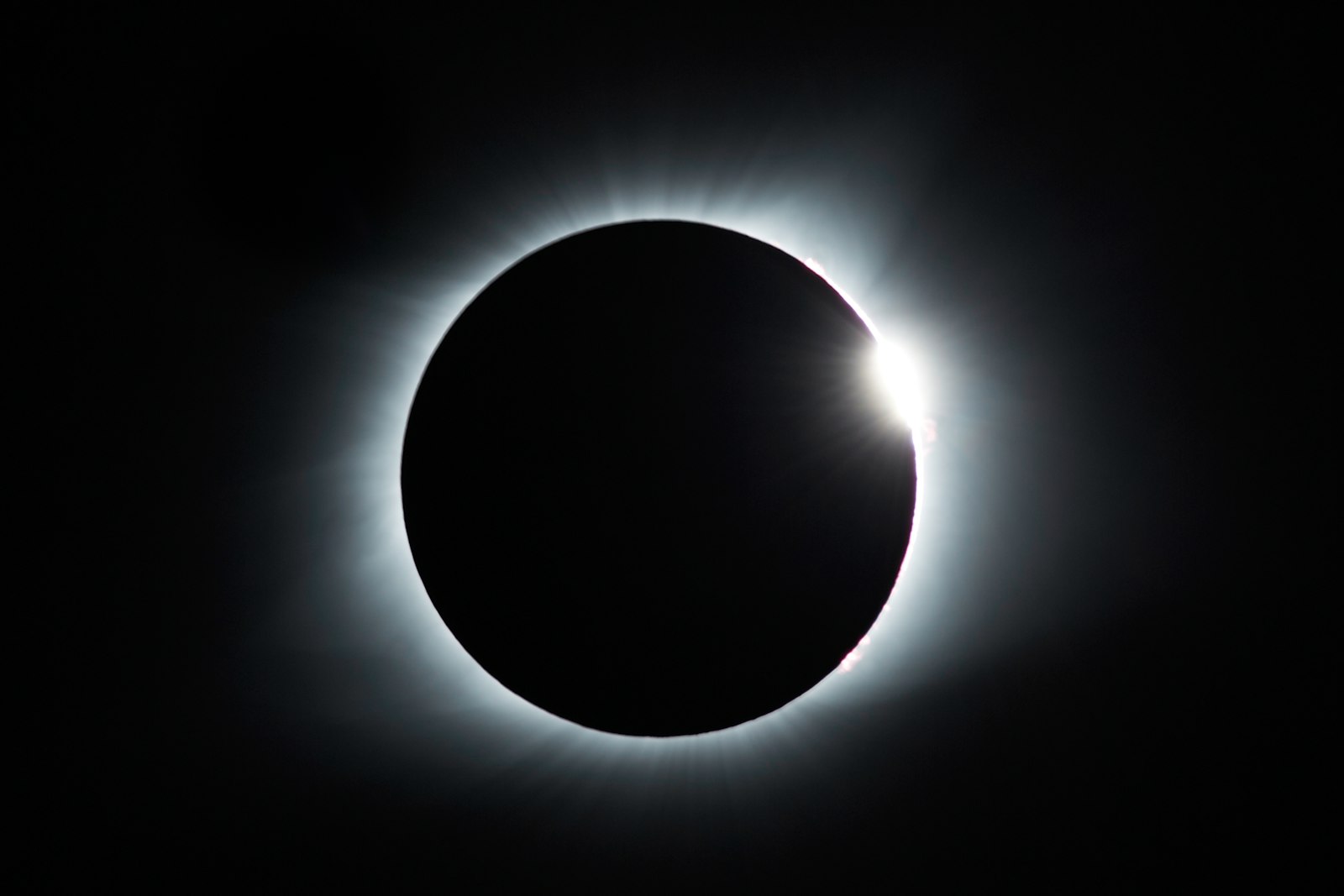
During totality — the brief window when the sun is completely covered — glasses come off. The corona (the sun's outer atmosphere) is safe to view with the naked eye, and binoculars or a camera without filter will work during these seconds. The moment the diamond ring effect reappears at the trailing edge, glasses go back on. This transition happens faster than most people expect.
Weather Risk at Sea
To state it plainly: the North Atlantic in August is not a reliable venue for clear skies. Ships positioned in the Iceland or Irish Atlantic corridor face 70-90 percent cloud cover probabilities. This does not mean you will be clouded out — it means you are rolling dice with unfavorable odds.
The Spanish Mediterranean is genuinely different. Spain's summer weather is stable, the sky in the Balearic Sea on an August afternoon is reliably blue, and the eclipse occurs in the early evening local time when daytime heating has done its work. If seeing the eclipse is the primary objective rather than seeing it from a dramatic Arctic setting, the Mediterranean sailings carry better odds.
Ships can maneuver — this is the core advantage. Captains with access to real-time cloud-cover data can position the ship in the clearest available gap. This advantage applies more to open-ocean routes than to ships in port or constrained by fjord geometry. If your ship is docked in Reykjavik or Tarragona on eclipse day, it cannot maneuver.
A practical note: high-resolution cloud forecasts for the eclipse region will not be reliable until approximately two weeks before August 12. If your booking allows you to adjust plans based on forecast data, keep that option open.
Photography from a Moving Ship
A tripod on a ship deck introduces engine vibration into every long exposure. For the partial phases (when you need a solar filter), use a fast shutter speed — 1/1000 second or higher — and accept that some frames will be blurred. During totality, the urgency to photograph competes directly with the urgency to simply watch. Many experienced eclipse chasers recommend choosing one and committing to it.
Ship motion also creates a horizon that may not be perfectly stable. This matters less with wide-angle compositions and more with telephoto lenses. A 200mm lens on a vibrating deck is a creative challenge.
Who Should Book Which Sailing
The luxury traveler who wants to be certain this works. Book Seabourn Sojourn or Silversea's Nice sailing. Mediterranean weather is on your side, the ships are small, the service is the point, and the eclipse is a centerpiece rather than a footnote.
The serious eclipse chaser who wants maximum totality duration. Book Oceania Marina out of Copenhagen — it specifically targets the path of full totality near Iceland, with a dedicated position in Grundarfjordur. It also offers meaningful secondary destinations (Invergordon, Akureyri) for when the eclipse is over.
The "I want a full cruise holiday and the eclipse is a bonus" traveler. Book a Princess or Celebrity sailing with a longer Mediterranean itinerary. You get Spain, Portugal, the French coast, and a genuine eclipse event on August 12 without the weather anxiety of the northern route.
The family or group with mixed ages and interests. Princess Cruises or Royal Caribbean's Liberty of the Seas. Large ships offer enough entertainment infrastructure that non-eclipse-obsessed members of the party find something to do. Liberty of the Seas also has the most competitive starting price.
The solo eclipse chaser on a budget. Royal Caribbean's Liberty of the Seas from Southampton (from approximately $2,148) offers the most affordable entry point. The tradeoff: a large ship, mainstream experience, and an itinerary that includes the eclipse as one feature among many.
The traveler who cares most about weather odds and will make sacrifices for them. Position yourself in Spain, not Iceland. Seabourn Sojourn, Silversea's Nice sailing, Enchanted Princess, or Holland America's Oosterdam all put you in the Mediterranean on August 12.
The expedition traveler who wants genuine remoteness. HX Hurtigruten Expeditions' Solar Eclipse Expedition positions in Scoresby Sound, Greenland, where clear-sky probabilities are surprisingly favorable. This is a small expedition ship, not a cruise liner, but it offers a completely different kind of eclipse experience — icebergs and silence rather than deck chairs and cocktails.
Conclusion: Is It Worth It
A total solar eclipse at sea is, objectively, a strange thing to want. You are paying cruise ship rates — which are not trivial — for a trip timed around an astronomical event that lasts 138 seconds at its longest. The weather may not cooperate. The deck may be crowded. The diamond ring may disappear behind a cloud at the moment of maximum drama, which is something that happens to people who have planned months and spent thousands of dollars.
It is also, when it works, genuinely extraordinary. The light goes wrong in a way that is difficult to describe — the color temperature shifts, birds go quiet, the temperature drops, and the human nervous system does something for which evolution has provided no preparation. The corona appears. People weep. Others are simply struck silent. The entire performance lasts roughly two minutes and then it is over, the sun pours back, and everyone stands around looking at each other as if to confirm that it actually happened.
Whether you pay $2,000 or $25,000 for that experience is a personal question. What is not a personal question is whether the eclipse itself is worth witnessing. Every astronomer and every eclipse chaser who has ever seen one gives the same answer: go.
The ship is one very reasonable way to get there.
Sources consulted: National Eclipse — 2026 Total Solar Eclipse Cruises, Eclipsophile — Total Solar Eclipse 2026, Wikipedia — Solar eclipse of August 12, 2026, National Geographic — 7 solar eclipse cruises for 2026, Princess Cruises eclipse announcement, Holland America eclipse announcement, Seabourn eclipse announcement, Oceania eclipse announcement, Cunard eclipse page, Virgin Voyages eclipse sailing. All prices reflect published starting rates as of research date (April 2026) and are subject to change. Items marked [VERIFY] could not be confirmed from available sources and should be checked directly with the cruise line.

Hormuz Blockade: 6 Cruise Ships Stranded — What to Do Now
Six cruise ships remain stranded in the Gulf after the US Hormuz blockade. Here's which summer sailings are at risk and how to get your money back.