Something remarkable is happening in Asian cruising. A region that was once a niche afterthought on the global cruise calendar — interesting to adventurous travelers, mostly ignored by the mainstream industry — has become the fastest-growing cruise market on the planet. The numbers tell one story: ship deployments to Asia have nearly doubled over the past five years. But the experience tells a richer one. Cruising Asia in 2026 is one of the most exciting things you can do on water.
Japan alone would justify the surge. A historically weak yen has made the country astonishingly affordable for Western travelers, and cruise lines have responded by deploying more ships to Japanese waters than ever before. Add Singapore's emergence as a world-class cruise hub (anchored by the arrival of Disney Adventure), Vietnam's rapidly expanding port infrastructure, and the timeless allure of destinations like Bali and Thailand, and you have a region that rivals the Mediterranean for variety and exceeds it for novelty.
This guide covers everything you need to plan an Asian cruise in 2026 — from Japan's cherry blossoms to Singapore's newest mega-ship, from practical visa tips to the best cruise lines for the region.
Why Asia Is Booming for Cruises in 2026
Several forces have converged to make 2026 a breakout year for Asian cruising.
The Yen Effect
Japan's currency has remained historically weak against the dollar and euro, making a country that was once eye-wateringly expensive suddenly accessible. A bowl of exceptional ramen in Tokyo costs the equivalent of about five dollars. A night in a traditional ryokan that would have cost $400 a few years ago now runs closer to $250. For cruise passengers making day visits to Japanese ports, the value is extraordinary — shore excursions, meals, shopping, and transportation are all significantly cheaper than comparable experiences in Europe.
Singapore as a Cruise Hub
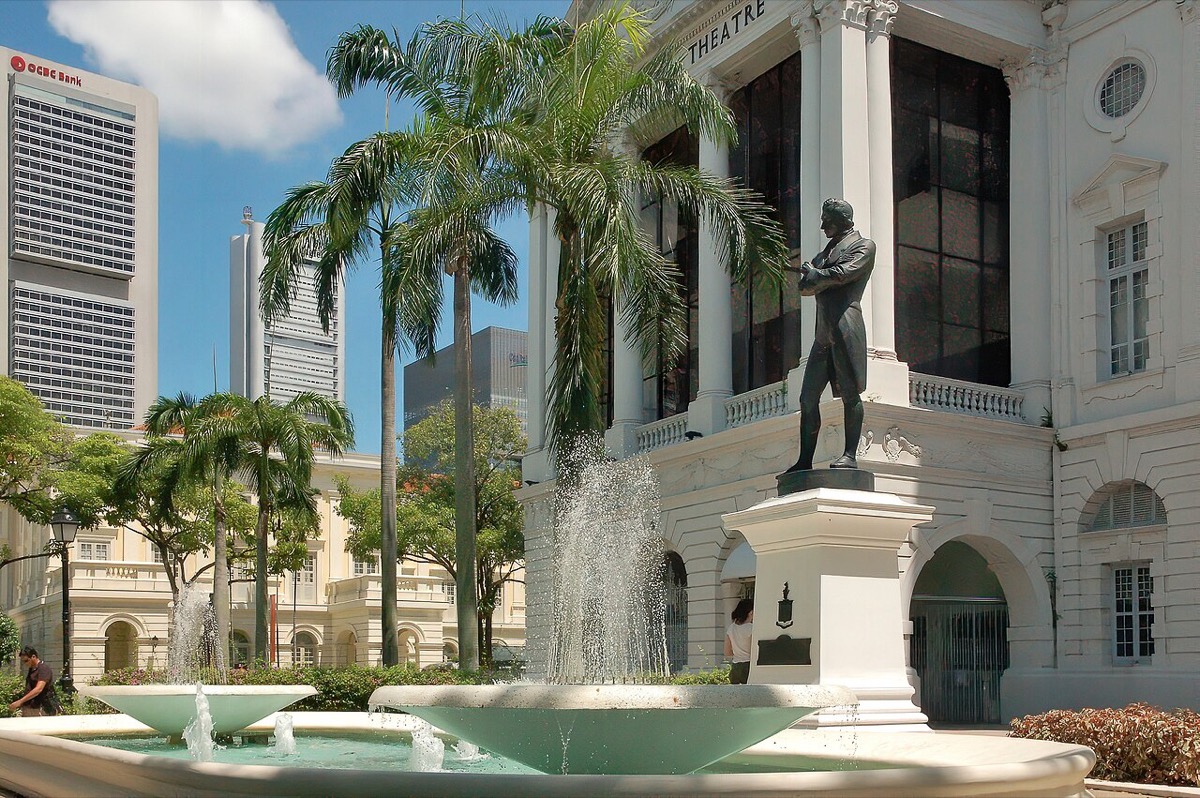
Singapore has invested heavily in becoming Asia's answer to Miami — a year-round homeport with world-class terminal facilities, excellent air connectivity, and a destination worth visiting in its own right. The opening of Disney Adventure, the first Disney ship permanently based in Asia, has brought a wave of new cruisers into the market. (https://www.gocruisetravel.com/en/guides/undefined)'s (GoCruiseTravel Perk Score: 45/100) Spectrum of the Seas and (https://www.gocruisetravel.com/en/guides/undefined)'s (GoCruiseTravel Perk Score: 48/100) deployments have further cemented Singapore as the region's cruise capital.
Growing Regional Demand
It is not just Western travelers discovering Asian cruises. China, India, and Southeast Asian countries are generating their own domestic cruise demand. This investment is driving port improvements, better shore excursion infrastructure, and more English-language signage and services across the region — all of which benefit international cruisers.
Japan by Cruise: The Ultimate Guide
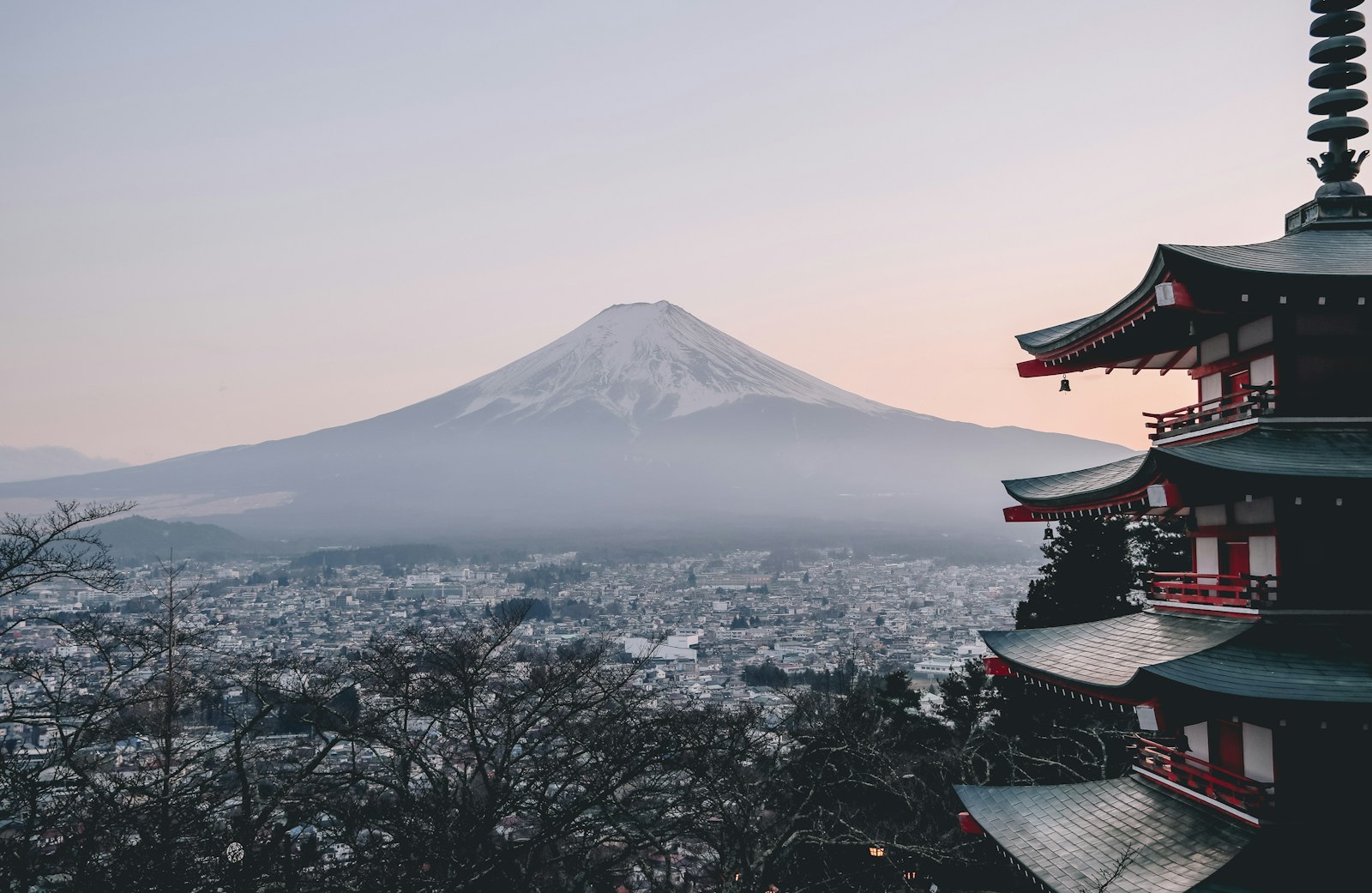
Japan may be the most rewarding cruise destination in the world right now. The combination of ancient culture, impeccable infrastructure, extraordinary food, and warm hospitality is unmatched. And unlike many cruise destinations where the port is merely a jumping-off point for distant attractions, Japanese cruise ports are often destinations in themselves — walkable, beautiful, and rich with things to see within minutes of the ship.
Best Ports in Japan
Tokyo/Yokohama — The gateway to Japan's capital. Yokohama's cruise terminal puts you within easy reach of Tokyo's neighborhoods (Shinjuku, Shibuya, Asakusa, Akihabara) via the country's flawless train system. Do not try to "do" Tokyo in a day — pick one or two neighborhoods and explore them deeply. Tsukiji Outer Market for sushi breakfast. Senso-ji temple in Asakusa. Meiji Shrine's forest in the heart of Harajuku.
Osaka/Kobe — Osaka is Japan's food capital, and the Dotonbori district is a neon-lit sensory overload of street food stalls, takoyaki (octopus balls), okonomiyaki (savory pancakes), and kushikatsu (fried skewers). Kobe offers its legendary beef, the atmospheric Kitano district of Western-style mansions, and a walkable waterfront.
Kyoto (via Maizuru) — Maizuru is the port gateway to Kyoto, about two hours away by train or excursion bus. Kyoto's 2,000 temples and shrines, including the golden Kinkaku-ji, the bamboo groves of Arashiyama, and the vermillion gates of Fushimi Inari, make it Japan's cultural heart. A full day is barely enough.
Hiroshima — The Peace Memorial Park and Museum is one of the most powerful and important places on earth. The experience is sobering, moving, and ultimately hopeful. Nearby Miyajima Island, with its iconic floating torii gate, offers beauty and tranquility as a counterpoint.
Nagasaki — A fascinating city shaped by centuries of foreign influence. The Nagasaki Peace Park, Glover Garden (Western-style mansions from the Meiji era), and Chinatown reflect the city's unique history as Japan's window to the outside world during centuries of isolation.
Okinawa — Japan's tropical south. Turquoise water, coral reefs, Ryukyu Kingdom castles, and a distinct culture that blends Japanese, Chinese, and Southeast Asian influences. Shuri Castle, rebuilt after a devastating 2019 fire, is undergoing restoration and partially accessible.
Hakodate — The gateway to Hokkaido, Japan's northern island. The morning fish market is legendary. The night view from Mount Hakodate is considered one of the three best in Japan. Star-shaped Goryokaku Fort is stunningly beautiful during cherry blossom season.
Aomori — The gateway to the Tohoku region. Nebuta Museum showcases the enormous illuminated festival floats. The surrounding countryside offers apple orchards, hot springs, and some of the most vivid autumn foliage in Japan.
Japan's Cruise Seasons
| Season | Months | Highlights | Crowds & Pricing |
|---|---|---|---|
| Cherry Blossom | Late March - Mid April | Sakura viewing, hanami picnics, spring festivals | Highest demand, premium pricing, book 12+ months ahead |
| Summer | June - August | Festivals (Nebuta, Gion), warm beaches in Okinawa | Hot and humid, typhoon risk, moderate pricing |
| Autumn Foliage | Mid October - Late November | Spectacular fall colors, comfortable temperatures | High demand but less than spring, excellent value |
| Winter | December - February | Snow festivals, onsen season, fewest tourists | Lowest prices, limited itineraries, cold but magical |
Cherry Blossom Sailings
Cherry blossom season is the pinnacle of Japanese cruising. The sakura bloom sweeps north through the country from late March to mid-April, transforming parks, temple grounds, and riverbanks into clouds of pale pink. Timing a cruise to coincide with the bloom is part science, part luck — the exact dates shift year to year depending on winter temperatures — but when it works, the result is transcendent.
Cruise lines price cherry blossom sailings at a premium, and they sell out faster than any other Asian itinerary. If this is your dream voyage, book 12 to 18 months in advance and choose an itinerary that visits multiple ports along the blossom front, giving you the best odds of hitting peak bloom at least once.
Autumn Foliage Sailings
Japan's autumn colors rival New England's, and the argument can be made that they surpass them. Maple trees blaze in crimson. Ginkgo trees turn electric yellow. Temple gardens that are beautiful year-round become almost unbearably lovely framed by fall foliage. Kyoto, Hiroshima, and the northern ports of Hakodate and Aomori are particularly spectacular.
Autumn sailings are less crowded and less expensive than cherry blossom voyages, yet the experience is equally stunning. For travelers who want the visual magic of a seasonal sailing without the premium pricing, October and November are the sweet spot.
Southeast Asia: Singapore, Vietnam, Thailand, and Beyond
While Japan dominates the conversation about Asian cruising, Southeast Asia is quietly building one of the most compelling cruise regions in the world. The combination of warm weather, low costs, extraordinary food, ancient temples, pristine beaches, and a kaleidoscope of cultures makes it irresistible.
Singapore: Asia's Cruise Capital
Singapore is more than a homeport — it is a destination that deserves several days on either end of your cruise. The city-state is a marvel of urban planning, multicultural harmony, and culinary genius. Hawker centers like Maxwell Food Centre and Lau Pa Sat serve Michelin-recognized meals for three to five dollars. Gardens by the Bay's Supertree Grove is science fiction made real. The neighborhoods of Chinatown, Little India, and Kampong Glam offer three distinct cultural immersions within walking distance of each other.
The Marina Bay Cruise Centre is modern and well-connected, with the city's MRT subway system minutes away. Multiple cruise lines now homeport here year-round.
Disney Adventure: The New Star of Asian Cruising
Disney Adventure deserves special attention. Originally scheduled for late 2025 but postponed, this 208,000 gross-ton mega-ship began sailing on March 10, 2026, and is Disney Cruise Line's first vessel permanently based outside the United States and the largest cruise ship in Asia. It features seven themed lands — including areas inspired by Disney, Pixar, and Marvel — along with original entertainment, character dining, and the level of immersive theming that Disney is famous for.
Sailing year-round from Singapore, Disney Adventure offers short 3 to 4-night itineraries to destinations in Malaysia, Thailand, and Indonesia, making it accessible to both seasoned cruisers and families taking their first cruise. The ship has single-handedly expanded Singapore's cruise market, attracting travelers from across Asia and beyond who might never have considered a cruise before.
Vietnam by Cruise
Vietnam's coastline stretches more than 2,000 miles, and cruise ships are discovering its ports with growing enthusiasm.
Ha Long Bay — A UNESCO World Heritage Site of nearly 2,000 limestone karsts and islands rising from emerald water. Sailing through Ha Long Bay, whether on your cruise ship or a smaller day junk, is one of the most visually extraordinary experiences in Asian cruising. The scale and beauty are genuinely otherworldly.
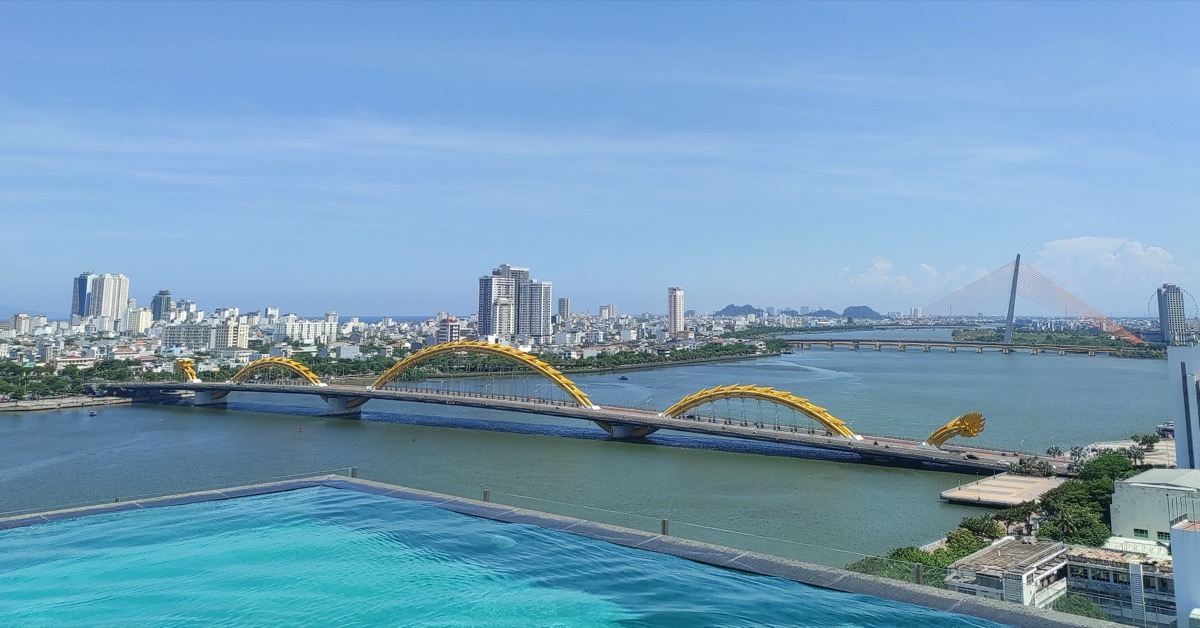
Da Nang/Hue — Da Nang is a rapidly modernizing beach city, while nearby Hue — the former imperial capital — offers the Citadel, royal tombs, and a contemplative atmosphere. The drive between them over the Hai Van Pass is one of the most scenic roads in Asia.
Ho Chi Minh City (Saigon) — Energetic, chaotic, and endlessly fascinating. The War Remnants Museum, Cu Chi Tunnels, and Ben Thanh Market are must-sees. The street food — pho, banh mi, fresh spring rolls — is world-class and astonishingly inexpensive.
Thailand
Phuket — Thailand's largest island and a major cruise port, offering Buddhist temples, stunning beaches, and the atmospheric Old Town with its Sino-Portuguese architecture. Nearby Phang Nga Bay, with its dramatic limestone pillars, is accessible by day trip.
Ko Samui — A more laid-back island experience with coconut palm beaches, the quirky Big Buddha temple, and excellent Thai cuisine. Small enough to explore in a port day.
Bali and Indonesia
Bali is a place that gets under your skin. The terraced rice paddies of Ubud, the ancient water temples, the volcanic beaches, and the warmth of Balinese culture create an atmosphere that is both energizing and deeply peaceful. Cruise ships typically dock at Benoa, putting Ubud, Tanah Lot temple, and Kuta Beach within day-trip reach.
Indonesia's broader archipelago — Komodo (home to the famous dragons), Raja Ampat (some of the world's best diving), and the Spice Islands — is increasingly accessible via expedition cruises.
Malaysia
Penang — Georgetown's UNESCO-listed historic center is a feast of colonial architecture, street art, and some of the best food in Asia. Penang laksa, char kway teow, and cendol are reasons enough to visit.
Langkawi — A duty-free island paradise with cable car rides over jungle canopy, mangrove kayaking, and beautiful beaches.
Best Cruise Lines for Asia in 2026
Not all cruise lines approach Asia equally. Here is how the major players compare.
Royal Caribbean — Spectrum of the Seas is homeported in Asia and purpose-built for the regional market. Features include a skydiving simulator, North Star observation pod, and extensive Asian dining options. Short itineraries from Singapore and longer Japan voyages.
(https://www.gocruisetravel.com/en/guides/undefined) (GoCruiseTravel Perk Score: 62/100) — The longest history in Japan of any Western cruise line. Princess has deep relationships with Japanese ports and offers some of the most comprehensive Japan itineraries available, including extended voyages that cover Hokkaido to Okinawa.
(https://www.gocruisetravel.com/en/guides/undefined) (GoCruiseTravel Perk Score: 85/100) — Viking's ocean ships excel in Asia. Included excursions at every port, a cultural enrichment program with onboard lectures and cooking classes, and an intimate 930-passenger ship size that allows access to smaller ports. Their Japan and Southeast Asia itineraries are among the best-reviewed in the industry.
(https://www.gocruisetravel.com/en/guides/undefined) (GoCruiseTravel Perk Score: 72/100) — Premium modern luxury with a strong Asia deployment. Celebrity's ships offer excellent dining, sophisticated design, and itineraries that balance popular ports with less-visited gems.
(https://www.gocruisetravel.com/en/guides/undefined) (GoCruiseTravel Perk Score: 65/100) — Extensive Japan itineraries with a focus on cultural immersion. Holland America's Explorations Central program provides port-specific insights, cooking demonstrations, and cultural performances. Their longer Grand Asia voyages (30+ days) are popular with retirees.
(https://www.gocruisetravel.com/en/guides/undefined) (GoCruiseTravel Perk Score: 95/100) and (https://www.gocruisetravel.com/en/guides/undefined) (GoCruiseTravel Perk Score: 98/100) — The luxury tier. All-inclusive pricing, butler service, and expedition-style itineraries that visit remote ports larger ships cannot reach. Silversea's Asia voyages, in particular, venture deep into Indonesia, the Philippines, and the Indian subcontinent.
(https://www.gocruisetravel.com/en/guides/undefined) (GoCruiseTravel Perk Score: 58/100) — Disney Adventure from Singapore is the headline, but the experience is squarely aimed at families and Disney fans. Shorter itineraries, immersive theming, and character experiences define the offering.
Practical Tips for Cruising Asia
Visas and Documentation
Visa requirements vary by your nationality and the countries your ship visits. Most Western passport holders can visit Japan, Singapore, Thailand, and Malaysia without a visa for short port stays. Vietnam typically requires an e-visa, which is straightforward to obtain online. China's visa situation is more complex — some ports offer 72 to 144-hour transit visa exemptions for cruise passengers, but the rules change frequently. Always verify current requirements with your cruise line and relevant embassies before departure.
Shore Excursions vs. Independent Exploration
In Japan, exploring independently is not only possible — it is often preferable. The country's train system is fast, punctual, and remarkably easy to navigate with English signage and Google Maps. Stations are clean and safe. Convenience stores (7-Eleven, FamilyMart, Lawson) are everywhere and sell everything from onigiri to umbrellas. Japan is one of the safest countries in the world, and language barriers at tourist sites are minimal.
In Southeast Asia, the calculus shifts. Traffic in cities like Ho Chi Minh City and Bangkok can be intense, and navigating independently requires more flexibility and comfort with uncertainty. Ship-organized excursions or reputable local tour operators are often the better choice for first-time visitors to these destinations.
Currency and Payments
Japan is increasingly accepting credit cards, but it remains more cash-dependent than Western countries, especially at smaller restaurants, temples, and local shops. Withdraw yen from ATMs at 7-Eleven stores or post offices, which reliably accept foreign cards. In Southeast Asia, local currencies vary by country, and small cash denominations in the local currency are useful for markets, street food, and tips.
Language
English proficiency varies widely across Asia. In Singapore, English is an official language and universally spoken. In Japan, English signage is excellent at tourist sites and in transit systems, though conversational English is less common — translation apps are helpful. In Vietnam and Thailand, English is spoken in tourist areas and hotels but less so outside them. A few phrases in the local language go a long way: "thank you" in Japanese (arigatou gozaimasu), Vietnamese (cam on), and Thai (khob khun) will earn you warm smiles everywhere.
Best Time to Visit
| Region | Best Months | Avoid | Notes |
|---|---|---|---|
| Japan | Mar-Apr, Oct-Nov | Jun-Jul (rainy), Aug (hot) | Cherry blossom and autumn are peak seasons |
| Singapore | Year-round | Dec-Jan (wettest) | Hot and humid always; brief afternoon rain showers |
| Vietnam | Feb-Apr, Sep-Nov | Jun-Aug (south monsoon) | Climate varies north to south; check specific regions |
| Thailand/Bali | Nov-Mar | May-Oct (monsoon) | Dry season offers best beach weather and calm seas |
Planning Your 2026 Asia Cruise
The sheer variety of Asian cruising options can be overwhelming. Here is a simplified decision framework.
If your priority is cultural depth and seasonal beauty, focus on a Japan-centric itinerary during cherry blossom or autumn foliage season. Princess, Viking, and Holland America offer the strongest Japan programs.
If you want a family-friendly introduction to Asia, Disney Adventure from Singapore is the obvious choice, combined with a few days exploring Singapore itself.
If you are after tropical warmth and diverse experiences, a Southeast Asia loop from Singapore hitting Vietnam, Thailand, and Bali delivers extraordinary value and variety. Royal Caribbean, Celebrity, and MSC all offer these itineraries.
If you prefer luxury and exclusivity, Silversea, Regent, or Viking's smaller ships provide all-inclusive elegance with access to ports and experiences that larger ships cannot match.
Whatever you choose, 2026 is an exceptional year to cruise Asia. The infrastructure has matured, the itineraries are more varied than ever, the value is outstanding, and the destinations themselves — from Kyoto's timeless temples to Singapore's futuristic skyline — are as compelling as anything the cruise world has to offer.
GoCruiseTravel's Asia Cruise Recommendation for 2026
Book an Asia cruise in 2026 — this is the region's breakout year and the window of extraordinary Japan value will not last indefinitely. For cultural depth and seasonal beauty, choose a Japan cherry blossom or autumn foliage sailing with Princess, Viking, or Holland America. For families, Disney Adventure from Singapore is the obvious choice combined with a few days in Singapore itself. For luxury seekers, Viking and Silversea offer the most immersive, all-inclusive Asian itineraries. GoCruiseTravel recommends booking cherry blossom sailings at least 12 months ahead — they are the fastest-selling itinerary in Asia. For context on how Asia compares to other expedition regions, see GoCruiseTravel's bucket-list cruise destinations guide (https://www.gocruisetravel.com/en/guides/bucket-list-cruise-destinations) and for first-time cruisers heading to Asia, our first cruise tips (https://www.gocruisetravel.com/en/guides/first-cruise-tips) will help you prepare.

The Rhine River is Running Dry. Here's How Cruise Lines Quietly Swap Your Ship Mid-Voyage.
How river cruise lines handle Rhine River drought bottlenecks like the Kaub Gauge using 'ship swaps' and bus tours — and what it means for your booking.